 Skip to content

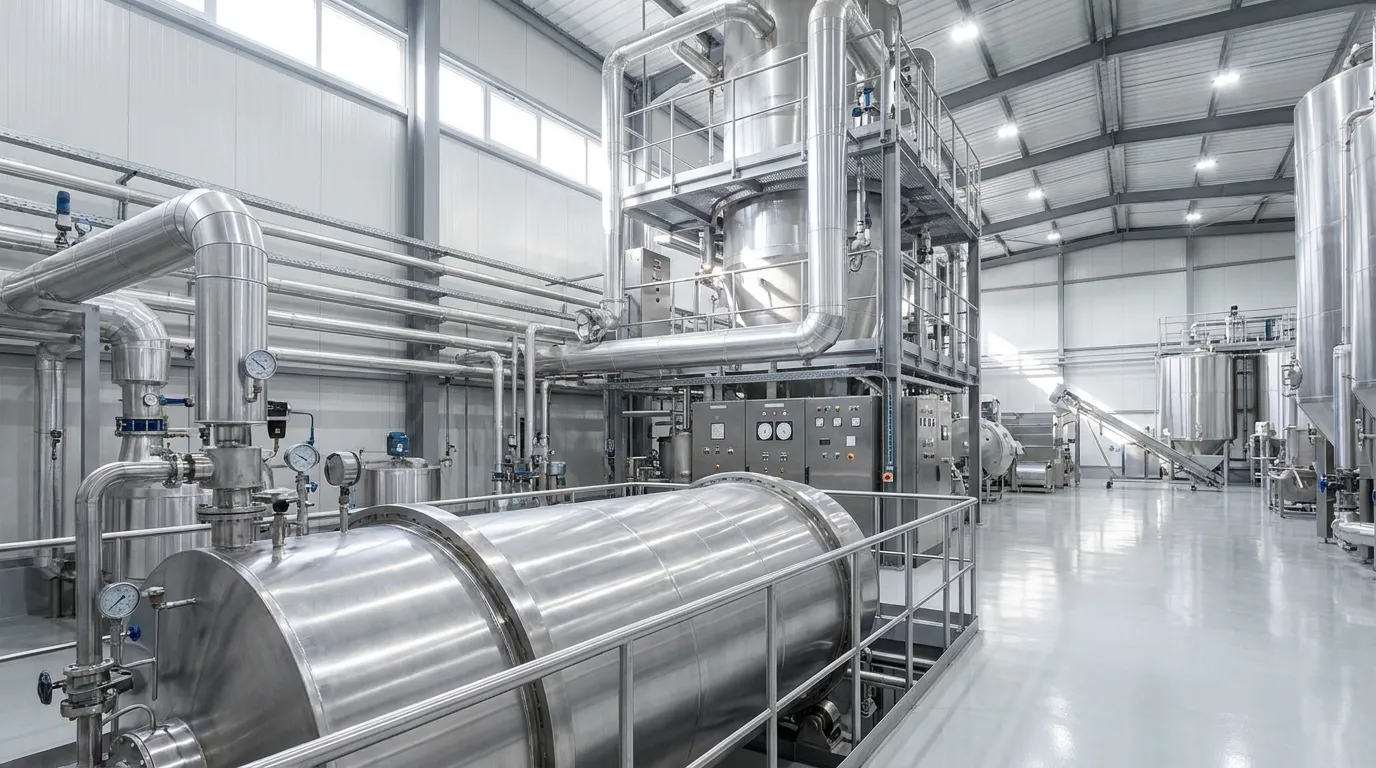
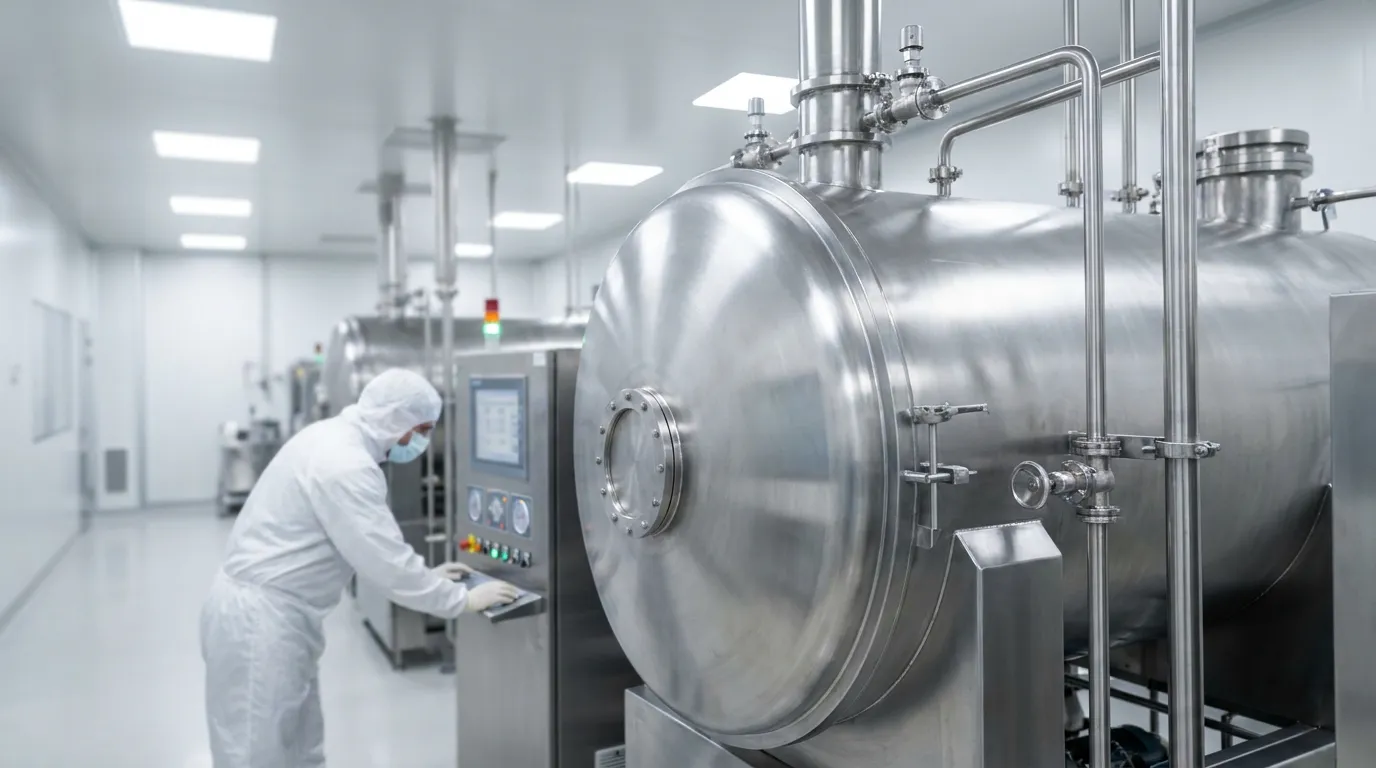
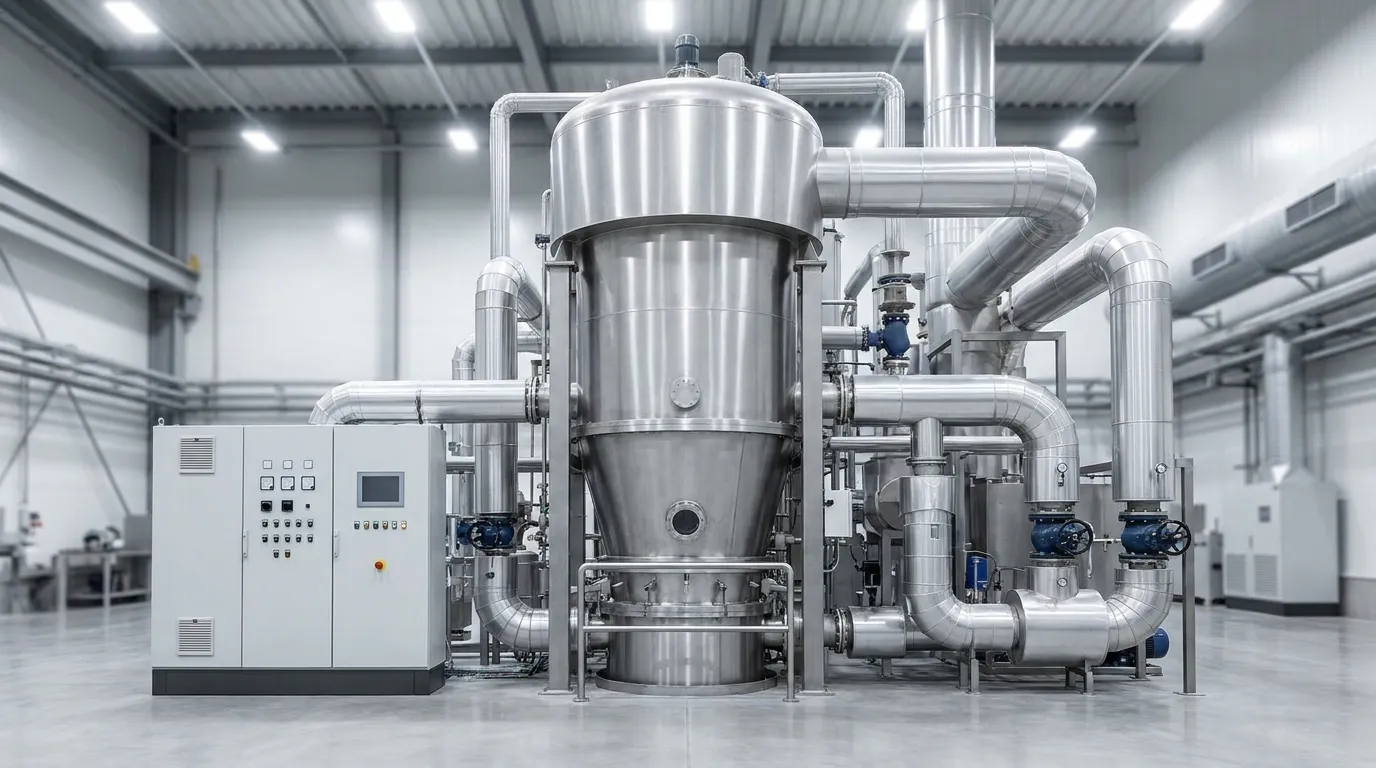
A thin-film evaporator uses rapid surface renewal and low residence time to gently process heat-sensitive materials under vacuum or atmospheric pressure.
Why thin-film evaporators are critical for precision separation and thermal efficiency
For more than 47 years, IPP has helped manufacturers scale their operations with precision thermal systems. With over 15,000 pieces of used equipment across 20 global sites, we stock a wide variety of thin-film evaporators ready to ship worldwide.
Thin-film evaporators are widely used in applications where products are heat-sensitive, viscous, or difficult to separate through conventional means. Here’s what you need to know.
1. Thin-film evaporators offer gentle thermal separation
Thanks to short residence times and thin film formation, product exposure to heat is minimal. This makes them ideal for separating solvents or concentrating compounds in pharmaceutical and fine chemical production.
2. They’re built for viscous and fouling-prone materials
Thin-film systems excel at handling sticky, resinous, or fouling-prone substances that challenge traditional evaporators. Continuous wiping action keeps product layers moving and equipment clean.
3. Common industries and use cases
- Pharmaceuticals: for concentrating APIs or botanical extracts
- Polymers and resins: for solvent recovery
- Food and nutraceuticals: for flavor oils, vitamins, and stabilizers
- Fine chemicals: for moisture or solvent removal
4. Thin-film vs. wiped-film: what’s the difference?
They’re often used interchangeably, but wiped-film evaporators feature rotating wipers that spread material into a film, while some thin-film units rely on gravity or centrifugal force. Both reduce fouling and improve heat transfer.
5. Used thin-film evaporators deliver speed and savings
Buying used can slash lead times and capital expenditures. IPP’s pre-owned evaporators are inspected and ready for fast shipment, helping you scale production without waiting months for new builds.
Key features of used thin-film evaporators
- Suitable for heat-sensitive or high-viscosity materials
- Available in jacketed stainless steel or Hastelloy
- Wiped-film designs minimize fouling and maximize uptime
- Ideal for batch or continuous operations
- Units ready to ship with full documentation
- Trusted by pharma, chemical, and food producers
Act quickly to secure a thin-film evaporator that meets your exact specs—before it’s gone. IPP’s experts are ready to help today.
Read more about the world’s largest seller of process plants and equipment.
IPP launches new website and expands process plant services
Superbrewed Food fermentation plant in Little Falls acquired by International Process Plants
Frequently asked questions about thin-film evaporators
What does a thin-film evaporator do?
It separates components in a mixture through gentle heating, creating a thin film that evaporates volatile compounds without degrading the product.
What materials are processed using thin-film evaporators?
They’re commonly used for botanical extracts, pharmaceuticals, oils, solvents, and viscous intermediates that require low-temperature separation.
How does it differ from a falling film or short-path evaporator?
Thin-film units use mechanical wipers and short residence time, while falling film evaporators rely on gravity and are better for lower-viscosity materials.
What are the benefits of a wiped-film design?
Wiped-film evaporators increase efficiency by constantly renewing the surface area and preventing buildup that could reduce performance.
Does IPP offer full specs and testing support?
Yes. Every unit in our inventory is documented, inspected, and backed by global support to ensure it matches your requirements.
For more answers, visit our FAQs page.

IPP’s used thin-film evaporators offer low residence time and high efficiency—perfect for fragile compounds and high-viscosity thermal processing.

 EN
EN  ES
ES  FR
FR  PL
PL  DE
DE  AR
AR  UR
UR  HI
HI  NL
NL  TR
TR  IT
IT  UK
UK  RU
RU  JA
JA  PT
PT  ZH
ZH