 Skip to content

An intensive mixer delivers controlled, high-shear mixing for dense materials such as rubber, plastics, and specialty chemicals in batch or continuous operations.
How intensive mixers power high-shear processes across rubber, chemical, and plastics manufacturing
IPP has been a leader in used equipment solutions for over 47 years. With 15,000+ pieces of equipment across 20 global plant sites, our ready-to-ship inventory includes a full range of intensive mixers used in polymer blending, rubber compounding, chemical dispersion, and more.
Known for their power and precision, intensive mixers play a vital role in shaping some of the world’s most demanding materials. Here’s what to know.
1. They deliver aggressive mixing for dense materials
Intensive mixers use dual counter-rotating rotors or sigma blades to create shear, compression, and kneading action. This makes them ideal for materials too thick or resistant for standard agitators.
2. They’re essential in rubber and polymer compounding
From tire production to PVC compounds, intensive mixers are the go-to for distributing fillers, pigments, and plasticizers into heavy base materials—often under heated conditions.
3. Batch or continuous—both are available
- Batch mixers allow precise control over residence time, ideal for high-value recipes.
- Continuous mixers offer nonstop processing for large-scale production where throughput is key.
4. Construction is built for wear and stress
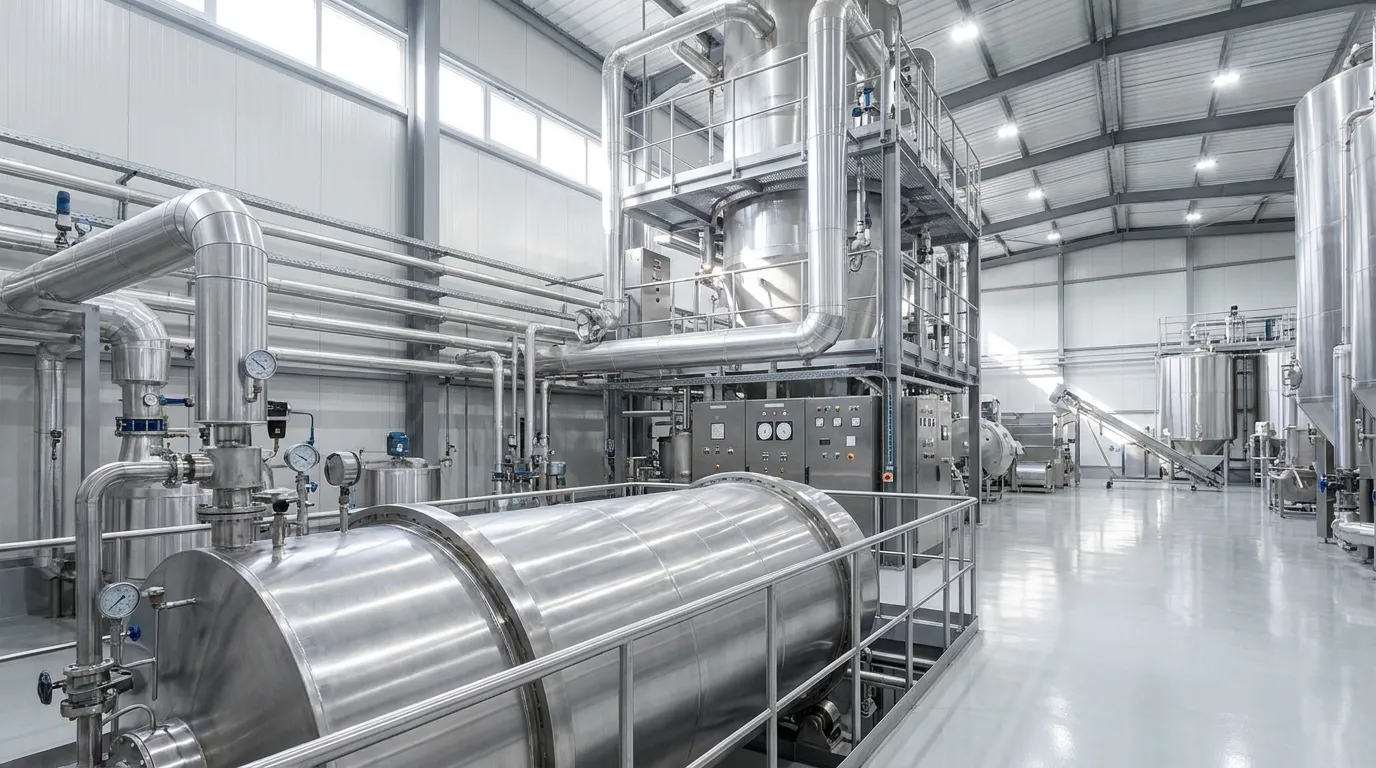
Most intensive mixers feature robust carbon steel or stainless steel construction, with hardened rotors and high-torque drives. Options include tilt discharge, drop doors, and integrated control panels.
5. Used intensive mixers provide big savings
Purchasing second-hand from IPP means you can skip long lead times and reduce capital costs significantly—without compromising on performance.
Key features of used intensive mixers
- Designed for high-viscosity, high-density materials
- Available in jacketed or non-jacketed models
- Ideal for rubber, plastics, pigments, adhesives, and ceramics
- Tilt or bottom-discharge options available
- Built for extreme mechanical loads and continuous use
- Units inspected and ready to ship worldwide
Ready to scale production with serious mixing power? Contact IPP today to explore available intensive mixers and secure a system that fits your process.
Read more about the world’s largest seller of process plants and equipment.
Henkel, Maynards Europe & IPP: Sustainable plant liquidation
International Process Plants names Schwartz chief operating officer
Frequently asked questions about intensive mixers
What is an intensive mixer used for?
It’s used for high-shear mixing of dense, viscous materials in rubber, plastics, adhesives, and chemical processing.
What makes it “intensive”?
These mixers apply powerful shear and pressure forces via counter-rotating rotors or blades, ensuring thorough dispersion of even the toughest ingredients.
Are there different sizes or configurations?
Yes. IPP carries lab-scale units to multi-ton systems with various rotor styles, drives, and discharges to match your process.
Can intensive mixers handle heat-sensitive compounds?
Some units offer jacketed construction for temperature control, allowing safe mixing of heat-sensitive or reactive materials.
Is maintenance difficult?
These mixers are designed for durability but do require regular inspection of seals, bearings, and blade wear for peak performance.
For more answers, visit our FAQs page.

IPP stocks used intensive mixers for high-shear rubber, chemical, and polymer processing—offering proven performance with fast delivery and cost savings.

 EN
EN  ES
ES  FR
FR  PL
PL  DE
DE  AR
AR  UR
UR  HI
HI  NL
NL  TR
TR  IT
IT  UK
UK  RU
RU  JA
JA  PT
PT  ZH
ZH