 Pular para o conteúdo
Buying used vs new reactors is a capital equipment decision that balances upfront savings and speed against technology access and long-term support. The choice depends on project budget, timeline constraints, and process requirements.
This guide covers cost and lead time comparisons, advantages and drawbacks of each option, regulatory and documentation requirements, and supplier evaluation criteria.
Used batch reactors and CSTRs typically cost 30% to 50% less than newly fabricated equivalents, with procurement timelines measured in days or weeks rather than the 33-week global average for new equipment in 2025. These savings free capital for instrumentation, piping, or facility upgrades elsewhere in the process line.
New reactors provide access to current fabrication standards, advanced process control integration, and full manufacturer warranties that typically extend one year. Fresh metallurgy starts at full design thickness with zero prior fatigue cycles, producing higher initial reliability metrics.
Both paths require verification against applicable codes, including ASME Section VIII, PED 2014/68/EU, ATEX Directive 2014/34/EU, and CE or UKCA marking depending on installation jurisdiction. Non-destructive testing techniques such as ultrasonic and radiographic methods confirm vessel integrity regardless of equipment age.
Supplier credibility hinges on physical inventory access, material traceability for alloys like 316L stainless steel or Hastelloy C-276, and documented compliance with recognized quality management standards. In a global process equipment market estimated at USD 99.75 billion in 2025, distinguishing trustworthy suppliers from undocumented brokers protects both capital and project timelines.
What Factors Should You Consider When Choosing Between Used and New Reactors?
The factors you should consider when choosing between used and new reactors include capital cost differences, procurement lead times, and long-term performance reliability. Each factor carries different weight depending on project urgency and budget constraints.
How Do Cost Differences Affect the Decision to Buy Used or New Reactors?
Cost differences affect the decision to buy used or new reactors by determining how much capital remains available for other project needs. According to De Dietrich Process Systems, a refurbished piece of equipment can save a facility anywhere from 30% to 50% off the price of a newly fabricated unit.
Economies of scale also influence pricing. Larger reactor vessels benefit from lower per-unit capital costs compared to smaller modular designs, making size selection an important variable alongside new-versus-used decisions. For most procurement engineers working within fixed budgets, the cost savings from quality used equipment often free capital for instrumentation, piping, or facility upgrades that improve overall plant performance.
What Are the Typical Lead Times for Used Versus New Reactors?
The typical lead times for used reactors range from days to a few weeks when equipment is currently available in inventory, while new reactor fabrication often requires 3 to 24 months. According to NAES, equipment lead times worldwide averaged 33 weeks in 2025, representing a 50% increase over pre-2020 levels, with developers frequently ordering materials up to 24 months in advance.
Shorter procurement schedules reduce carrying costs and accelerate project timelines. When a batch reactor or CSTR is already warehoused, inspected, and documented, the buyer eliminates months of fabrication, testing, and shipping delays. For time-sensitive expansions or replacements, sourcing quality used equipment is often the only realistic path to meeting commissioning deadlines.
How Do Performance and Reliability Compare Between Used and New Reactors?
Performance and reliability between used and new reactors depend on inspection history, maintenance records, and material condition rather than age alone. Mean Time Between Failures (MTBF) serves as the standard reliability metric for repairable equipment, measuring the average operational time between failure events.
Proper evaluation methods ensure used reactors meet performance expectations:
- Non-destructive testing (NDT) techniques, such as ultrasonic and radiographic testing, verify vessel wall thickness and weld integrity without causing damage.
- Highly Accelerated Life Testing (HALT) identifies potential failure modes by applying stresses beyond expected operational limits.
- Documented inspection, testing, and maintenance systems confirm that safety-critical components perform their intended function when needed.
According to the IChemE Safety Centre, effective inspection and maintenance systems with tracked metrics are required to ensure safety-critical equipment performs reliably. A well-maintained used reactor with complete documentation under ASME Section VIII or PED 2014/68/EU compliance can match the reliability of new equipment, provided the buyer verifies material certifications and service history before purchase.
With cost, lead time, and reliability benchmarks established, the next step is evaluating specific advantages of buying used reactors.
What Are the Main Advantages of Buying Used Reactors?
The main advantages of buying used reactors include significant capital cost savings, faster procurement timelines, and environmental benefits through material reuse. The following sections cover how used reactors affect budgeting, sustainability, and regulatory compliance.
How Does Purchasing Used Reactors Affect Capital Investment and Budgeting?
Purchasing used reactors reduces capital investment by 30% to 50% compared to newly fabricated units. According to De Dietrich Process Systems, a refurbished piece of equipment can save a facility anywhere from 30% to 50% off the price of a newly fabricated unit. This reduction frees budget for ancillary systems, instrumentation upgrades, or additional capacity elsewhere in the process line. For procurement engineers managing tight capital expenditure cycles, used batch reactors in verified materials such as 316L stainless steel or Hastelloy C-276 deliver proven performance without the full cost burden of new fabrication.
What Environmental Benefits Come with Choosing Used Reactors?
The environmental benefits of choosing used reactors include reduced embodied carbon, lower raw material extraction, and extended equipment service life. Reusing an existing reactor vessel avoids the energy-intensive smelting, forming, and machining required for new fabrication. This aligns with circular economy principles outlined in the ISO 14040 and ISO 14044 life cycle assessment framework. Non-destructive testing (NDT) techniques, such as ultrasonic or radiographic testing, verify structural integrity without damaging the vessel, confirming that reused equipment meets operational standards safely. For most facilities seeking to lower Scope 3 emissions, sourcing quality used process reactors is one of the most practical decarbonization steps available.
Are There Regulatory or Compliance Considerations Unique to Used Reactors?
Yes, there are regulatory and compliance considerations unique to used reactors. Buyers must verify that previously manufactured equipment still meets current applicable codes and directives in the destination jurisdiction. Key standards include:
- ASME Boiler and Pressure Vessel Code (BPVC) Section VIII for pressure vessel design and inspection in North America.
- The European Pressure Equipment Directive (PED) 2014/68/EU for equipment operating above 0.5 bar (7.25 psig).
- ATEX Directive 2014/34/EU for reactors intended for use in potentially explosive atmospheres.
- CE marking for European market conformity and UKCA marking for the United Kingdom.
- CRN (Canadian Registration Number) for pressure equipment operating in Canadian provinces.
According to TÜV SÜD, PED 2014/68/EU provides mandatory guidance for the design, manufacturing, and conformity assessment of pressure equipment. Documentation such as original material certificates, hydrostatic test records, and weld maps must be requested and reviewed before purchase. Without complete traceability records, re-certifying a used reactor for a new jurisdiction becomes significantly more complex and costly.
With these advantages established, understanding the potential drawbacks helps buyers make fully informed decisions.
What Are the Potential Drawbacks or Risks of Choosing Used Reactors?
The potential drawbacks of choosing used reactors include inspection uncertainties, limited warranty coverage, and possible compatibility constraints. The following subsections address each risk category.
What Inspection and Maintenance Issues Should Buyers Be Aware Of?
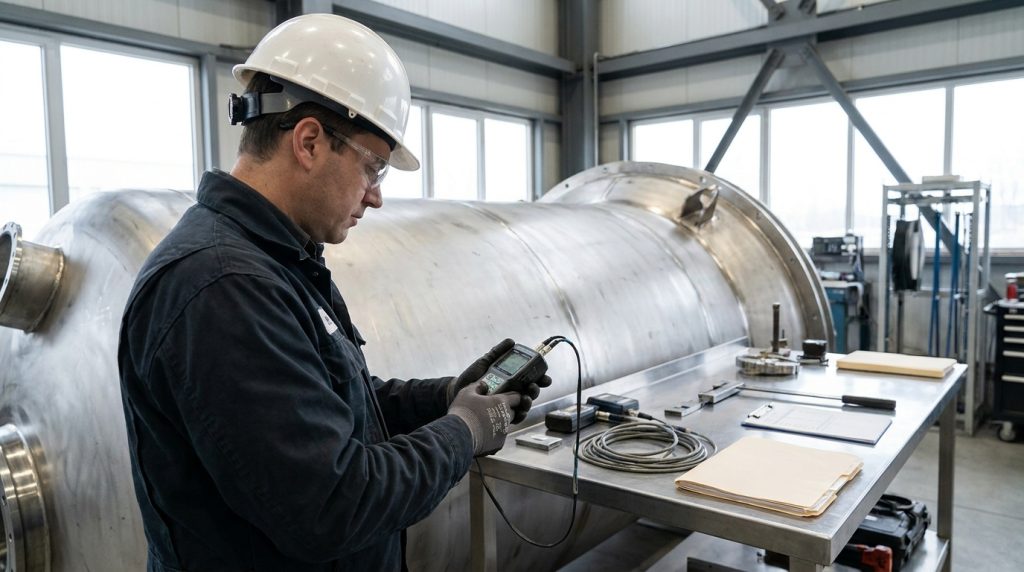
Buyers should be aware that used reactor vessels may carry hidden wear from prior service, including corrosion, fatigue cracking, or weld degradation that visual inspection alone cannot detect. Non-destructive testing (NDT) techniques, such as ultrasonic thickness measurement and radiographic testing, evaluate material integrity without causing damage. According to the IChemE Safety Centre, effective inspection, testing, and maintenance systems are required to ensure safety-critical equipment performs its intended function when needed.
Key inspection considerations for used batch reactors include:
- Verifying remaining corrosion allowance against original design specifications
- Confirming compliance with ASME Section VIII, PED 2014/68/EU, or applicable jurisdictional codes
- Reviewing maintenance logs for repair history and prior operating conditions
- Assessing agitator seals, nozzle flanges, and jacket integrity separately from the vessel shell
Without thorough NDT and documentation review, buyers risk inheriting equipment closer to end-of-life than anticipated.
How Might Warranty and Support Differ Between Used and New Reactors?
Warranty and support for used reactors typically differ from new reactors in both duration and scope. According to Alibaba B2B, standard industrial equipment warranties range from 30 days to 3 years, with one year being the most common period for most machinery types. Used equipment often falls at the shorter end of that range, sometimes carrying only a 30-day functional guarantee or no warranty at all.
New reactors from manufacturers generally include:
- Full mechanical warranty covering materials and workmanship
- Direct access to OEM technical support and spare parts
- Documented performance guarantees tied to design specifications
Used reactors purchased from reputable suppliers may include limited operational warranties, but buyers should confirm coverage details in writing before purchase. For critical processes, this gap in long-term support makes supplier reputation and post-sale service capabilities especially important.
Are There Compatibility or Customization Challenges with Used Reactors?
Yes, there are compatibility and customization challenges with used reactors. Pre-owned vessels were designed for a specific process, so nozzle configurations, agitator types, materials of construction, and jacket ratings may not align with the buyer’s requirements.
Common compatibility issues include:
- Nozzle sizing or placement that does not match existing piping layouts
- Vessel metallurgy (such as 316L stainless steel vs. Hastelloy C-276) incompatible with the intended chemistry
- Working capacity that differs from the buyer’s batch size requirements
- Jacket pressure ratings in PSI (bar) that fall below the new process demands
Modifying a used reactor is possible but adds cost and lead time, partially offsetting the initial savings. Buyers benefit from working with suppliers who maintain large inventories, since a broader selection increases the likelihood of finding a close dimensional and metallurgical match without extensive rework.
With these risks understood, buyers can apply structured evaluation criteria when selecting equipment suppliers.
What Are the Main Benefits of Purchasing New Reactors?
The main benefits of purchasing new reactors include access to current technology, full manufacturer warranties, and optimized operational lifespan. The following subsections cover technology advantages, support considerations, and efficiency gains.
Why Might a Business Prioritize State-of-the-Art Technology in Reactors?
A business might prioritize state-of-the-art technology in reactors because newer designs incorporate advanced process control, improved metallurgy, and optimized heat transfer geometries that older units lack. Modern batch reactors and CSTRs can integrate digital monitoring systems for real-time temperature, pressure, and agitation feedback. New reactor vessels built to current ASME Section VIII or PED 2014/68/EU standards reflect the latest safety and performance requirements, including updated material traceability and weld documentation. For processes requiring tight tolerances at high pressures or temperatures, current fabrication techniques deliver measurably tighter design margins.
How Important Is Manufacturer Support and Warranty for New Reactors?
Manufacturer support and warranty for new reactors is highly important because it provides documented recourse for defects, guaranteed spare parts availability, and technical assistance during commissioning. According to Alibaba B2B marketplace data, standard industrial equipment warranties typically range from 30 days to 3 years, with one year being the most common period for most machinery types. New reactor purchases also include:
- Complete material test reports and certificates of conformity.
- Dedicated engineering support for installation and process optimization.
- Access to OEM spare parts with confirmed dimensional tolerances.
- Warranty coverage for pressure-bearing components and seals.
This level of support reduces unplanned downtime risk during early operational phases.
Can New Reactors Offer Enhanced Efficiency or Operational Life?
Yes, new reactors can offer enhanced efficiency and extended operational life because they benefit from current material science, tighter fabrication tolerances, and zero prior fatigue cycles. Fresh metallurgy in materials such as 316L stainless steel or Hastelloy C-276 starts at full design thickness with no corrosion allowance consumed. Manufacturers also apply Highly Accelerated Life Testing (HALT) methods during development, stressing components beyond expected operational limits to identify and eliminate potential failure modes before delivery. These factors combine to produce higher Mean Time Between Failures (MTBF) values compared to equipment that has already accumulated years of thermal cycling and mechanical stress.
With these benefits established, buyers must also weigh the financial and timeline trade-offs that new reactor purchases introduce.
What Are the Disadvantages or Limitations of Buying New Reactors?
The disadvantages of buying new reactors include significantly higher capital costs, extended procurement timelines, and environmental concerns tied to raw material extraction and manufacturing.
How Do Higher Costs and Longer Lead Times Impact New Reactor Purchases?
Higher costs and longer lead times impact new reactor purchases by increasing total project expenditure and delaying production schedules. According to NAES, equipment lead times worldwide averaged 33 weeks in 2025, representing a 50% increase over pre-2020 levels, with developers often ordering materials up to 24 months in advance.
These extended timelines directly inflate levelized capital costs. Each additional month of waiting increases financing charges, ties up capital that could generate returns elsewhere, and creates vulnerability to raw material price fluctuations. For process engineers planning capacity expansions, a 24-month procurement window can mean missing market opportunities entirely. Shorter procurement schedules, such as sourcing new surplus or quality used batch reactors, reduce both the cost of capital and overall project risk.
Are There Sustainability Concerns Associated with Manufacturing New Reactors?
Yes, there are sustainability concerns associated with manufacturing new reactors. Primary metal production, heavy machining, and energy-intensive fabrication processes generate substantial greenhouse gas emissions before a reactor vessel ever reaches a facility.
According to the International Energy Agency, industrial decarbonization strategies now include embodied carbon limits, certifications, and product stewardship to manage emissions associated with materials and construction. Compliance frameworks like the European Pressure Equipment Directive (PED) 2014/68/EU govern design and manufacturing standards for pressure equipment above 0.5 bar (7.25 psig), yet these standards address safety rather than carbon footprint. Reusing existing reactor vessels avoids the embodied carbon of new steel production, making procurement of quality used equipment a practical decarbonization strategy for organizations tracking Scope 3 emissions.
With these cost and sustainability limitations in mind, evaluating suppliers carefully becomes essential for any procurement path.
How Should Buyers Evaluate Sellers and Suppliers of Used and New Reactors?
Buyers should evaluate sellers and suppliers of used and new reactors by assessing track record, inventory transparency, certifications, and documentation completeness. The following subsections cover trust criteria and required paperwork.
What Criteria Distinguish a Trustworthy Supplier for Process Equipment?
The criteria that distinguish a trustworthy supplier for process equipment include verified industry experience, adherence to quality management standards such as ISO 9001, transparent inventory records, and global logistics capability. According to Mordor Intelligence, the global process equipment market is estimated at USD 99.75 billion in 2025 and is expected to reach USD 124.78 billion by 2030, growing at a CAGR of 4.58%, which means buyers face an expanding pool of suppliers with varying credibility.
Key evaluation criteria include:
- Documented compliance with recognized standards (ISO 9001, ASME, PED, CE marking).
- Verifiable years in operation and customer references across multiple regions.
- On-site warehousing with equipment available for physical inspection.
- Clear material traceability for alloys such as 316L stainless steel or Hastelloy C-276.
- Dual-unit specifications provided for global buyers (imperial and metric).
In a market this large, suppliers who maintain physical inventory and offer pre-purchase inspection access consistently prove more reliable than brokers who list equipment they have never handled.
What Documentation and Certifications Should Be Requested Before Purchase?
The documentation and certifications that should be requested before purchase include original fabrication data reports, pressure test records, material certificates, and compliance markings relevant to the installation jurisdiction.
Essential documents to request:
- ASME U-stamp or National Board documentation for pressure vessels.
- CE marking or PED 2014/68/EU conformity records for equipment destined for European markets.
- UKCA marking documentation for United Kingdom installations.
- Material test reports (MTRs) confirming alloy composition and grade.
- Non-destructive testing (NDT) reports, such as ultrasonic or radiographic results.
- Dimensional drawings showing design capacity and working capacity.
- Maintenance and repair history logs with dates and scope of work.
Without these records, verifying that a reactor meets operating requirements at your specified pressure (e.g., 150 PSI / 10.3 bar) and temperature (e.g., 400 °F / 204 °C) becomes unreliable. Always request documentation before committing capital.
With supplier credibility and documentation verified, buyers can make purchasing decisions with greater confidence.
How Can International Process Plants Assist with Buying Used or New Reactors?
International Process Plants can assist with buying used or new reactors by offering an inventory of over 10,000 pieces of equipment, with 46+ years of procurement expertise across global markets.
Can International Process Plants’ Equipment Solutions Simplify Reactor Purchasing Decisions?
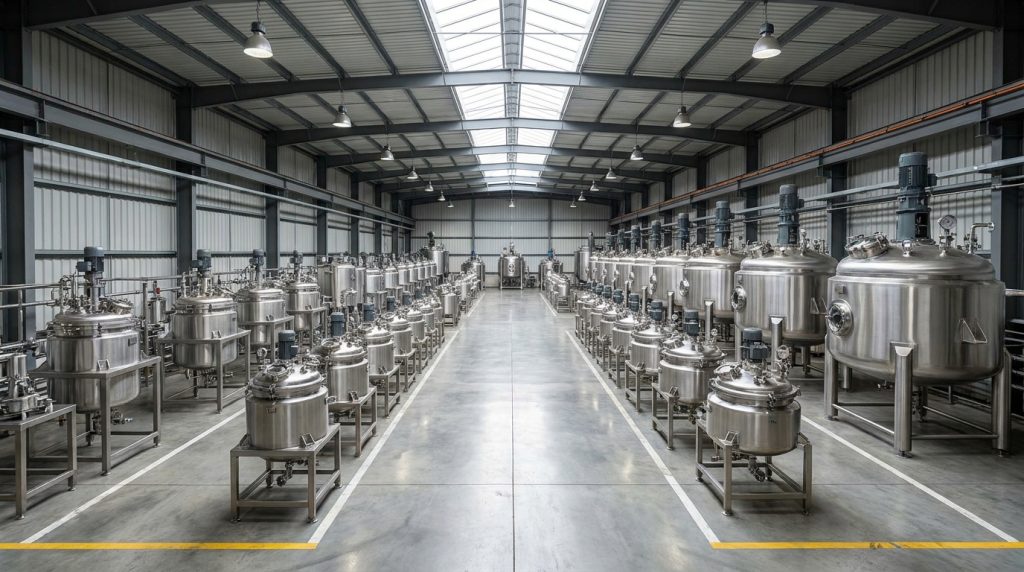
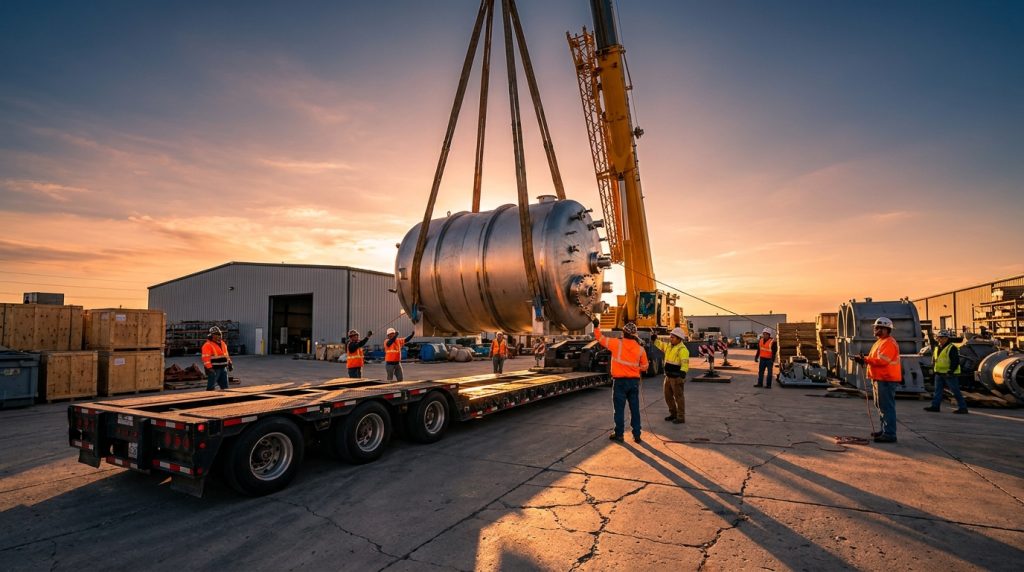
Yes, International Process Plants’ equipment solutions can simplify reactor purchasing decisions. We maintain an inventory of new surplus and quality used batch reactors constructed from verified materials, including 316L, 316, 304, and 304L stainless steel, as well as Hastelloy C-276. With much of our reactor inventory consisting of batch reactors, procurement engineers gain access to a focused selection without navigating fragmented supplier networks. Our warehouses in South Carolina (US), Germany, and the United Kingdom enable shorter lead times compared to new fabrication. We supply equipment compliant with ASME Section VIII, the Pressure Equipment Directive (PED 2014/68/EU), CE marking, and UKCA marking, supporting deployment across North American, European, and UK jurisdictions.
What Are the Key Takeaways About Buying Used vs New Reactors We Covered?
The key takeaways about buying used vs new reactors are:
- Used reactors reduce capital expenditure by 30% to 50% compared to new fabrication, while extending useful equipment life.
- New reactors offer the latest technology, full manufacturer warranties, and custom specifications, but carry longer lead times and higher upfront costs.
- Both options require verification of compliance documentation, including ASME, PED, and ATEX certifications where applicable.
- Non-destructive testing and thorough inspection protocols protect buyers regardless of whether equipment is new surplus or previously operated.
- Supplier credibility depends on inventory transparency, ISO 9001 adherence, global warehousing capability, and proven track records.
Prioritizing total cost of ownership over purchase price alone leads to better long-term outcomes for most process facilities.

 PT
PT  EN
EN  ES
ES  FR
FR  PL
PL  DE
DE  AR
AR  UR
UR  HI
HI  NL
NL  TR
TR  IT
IT  UK
UK  RU
RU  JA
JA  ZH
ZH