
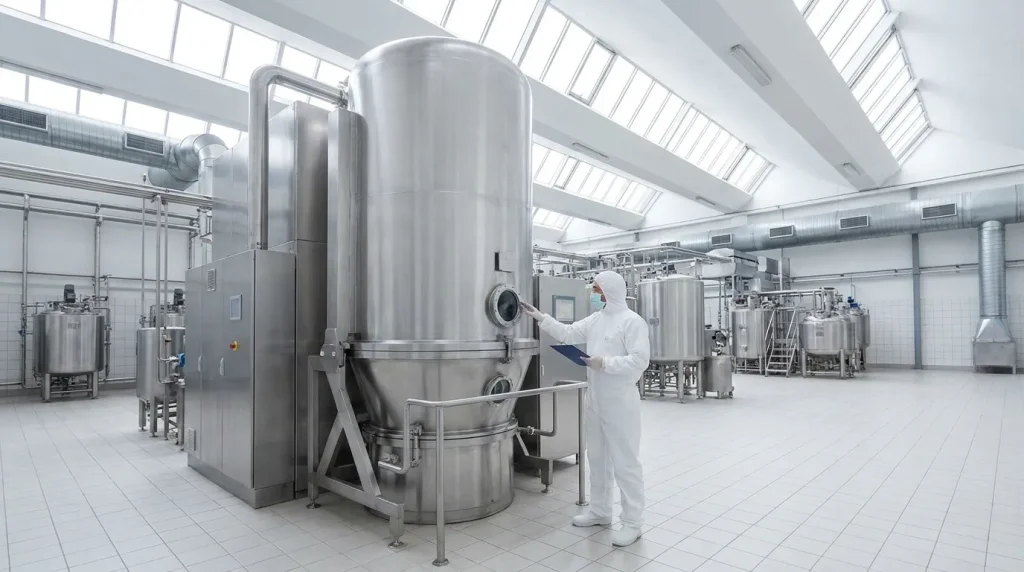
Dryer cleaning between product changeovers is the validated process of removing all residues from industrial drying equipment before introducing a new product batch. This procedure prevents cross-contamination, ensures regulatory compliance, and protects product quality across pharmaceutical, chemical, and food processing operations.
This guide covers contamination risks and quality impacts, effective cleaning procedures from preparation through inspection, regulatory requirements across global agencies, efficiency optimization through automation and monitoring, solutions for complex cleaning challenges, and personnel training and safety protocols.
Cross-contamination from inadequate cleaning creates substantial financial and safety exposure. A single recall can cost $10 million USD (approximately €9.2 million) in direct costs for food manufacturers, while biopharmaceutical facilities experience batch failure on average once every 40.6 weeks. The article examines how residual APIs, allergens, and cleaning agents compromise finished products when acceptance criteria based on Health-Based Exposure Limits are not met.
Effective cleaning procedures require systematic execution across three phases. Pre-cleaning preparation follows OSHA’s lockout/tagout (LOTO) procedure. Active cleaning uses CIP systems maintaining minimum flow velocity, controlled temperature, concentration, and contact time. Post-cleaning verification combines visual inspection with analytical methods like Total Organic Carbon analysis to confirm residue removal.
Regulatory compliance spans multiple agencies with distinct requirements. Applicable frameworks may include OSHA requirements, ISO 9001 quality management practices, industry-specific sanitation and hygiene standards, and manufacturer-recommended cleaning procedures. Modern standards have shifted from the historical 10 ppm threshold to scientifically justified Permitted Daily Exposure (PDE) limits calculated through toxicological assessment.
Equipment design directly influences cleaning difficulty. Equipment with complex internal geometries require more thought to cleaning design, while accessible internals and integrated CIP systems help reduce cleaning time. Quality used dryers can be cleaned with equal effectiveness at approximately 50% of new equipment cost.
Why Is Dryer Cleaning Critical Between Product Changeovers?
Dryer cleaning is critical between product changeovers because inadequate cleaning leads to cross-contamination, batch failures, and regulatory violations. The subsections below examine specific risks from poor cleaning practices and how residual contaminants compromise product quality and safety.
What Risks Arise From Inadequate Dryer Cleaning?
The risks that arise from inadequate dryer cleaning include cross-contamination, costly recalls, batch rejection, and regulatory non-compliance. A 1988 FDA recall of Cholestyramine Resin USP demonstrated this directly: pesticide contamination occurred because of inadequate cleaning and control of solvent drums, which subsequently contaminated fluid bed dryer bags at a finishing facility. This incident remains a foundational case study in cleaning validation requirements.
Financial exposure is substantial. Studies by the Food Marketing Institute and Grocery Manufacturers Association found that a single food recall can cost a company as much as $10 million USD (approximately €9.2 million or £7.9 million) in direct costs alone, excluding brand damage and lost sales. Undeclared allergens and cross-contamination were identified as the two most common causes of major global food safety incidents.
Batch failure frequency adds ongoing risk:
- Biopharmaceutical facilities experience batch failure on average once every 40.6 weeks (9.4 months)
- Contamination causes 2.3% of batches lost in facilities with 1,000 L (264 gal) capacity or larger
- Product cross-contamination accounts for 1.1% of batches lost in smaller facilities
For operations running multiple products through shared dryers, these statistics underscore why rigorous cleaning protocols are non-negotiable.
How Can Residual Contaminants Impact Product Quality and Safety?
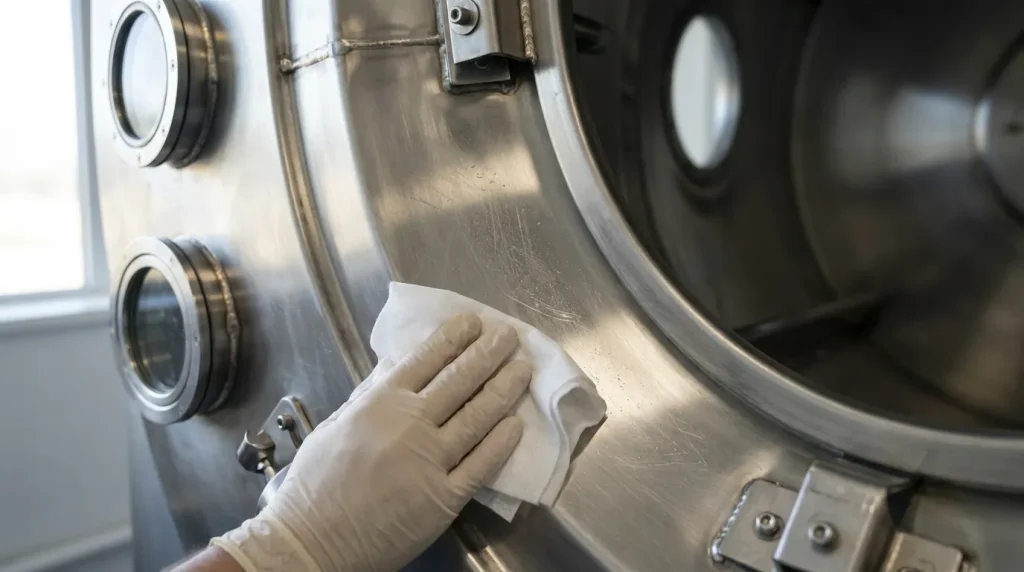
Residual contaminants can impact product quality and safety by causing adulteration, potency variations, allergic reactions, and toxicity in finished products. Health Canada defines cleaning validation as the process that provides documented evidence an approved cleaning procedure will reproducibly remove previous products, by-products, or cleaning agent residues below scientifically set limits.
The consequences of residue carryover depend on contamination type:
- Active pharmaceutical ingredients (APIs): Even trace amounts can alter therapeutic dose or cause adverse reactions
- Allergens: Cross-contact with undeclared allergens triggers recalls and endangers consumers
- Cleaning agents: Chemical residues from caustic or acidic washes create toxicity risks
- Microbial contamination: Moisture or product buildup supports bacterial growth
Modern regulatory standards have evolved beyond legacy thresholds. Historically, acceptance criteria defaulted to 1/1000th of the minimum daily dose or 10 ppm (parts per million). Current guidelines mandate scientifically justified residue limits based on Health-Based Exposure Limits, such as Permitted Daily Exposure values specific to each compound’s toxicological profile.
Equipment with smooth surface finishes reduces contamination risk. In hygienic processing applications, surface roughness requirements are often specified by industry standards or user requirements, with values such as 32 µin (0.8 µm) Ra commonly referenced for sanitary equipment and finer finishes (e.g., approximately 15 µin (0.38 µm) Ra or better) sometimes used for pharmaceutical product-contact surfaces.
Understanding these contamination pathways helps define cleaning validation parameters for each product-equipment combination.
What Steps Should Be Included in an Effective Dryer Cleaning Procedure?
The steps included in an effective dryer cleaning procedure are pre-cleaning preparation, active cleaning using validated methods and tools, and post-cleaning inspection. Each phase builds on the previous one to ensure complete residue removal and documented compliance.
What Are the Essential Pre-Cleaning Preparations?
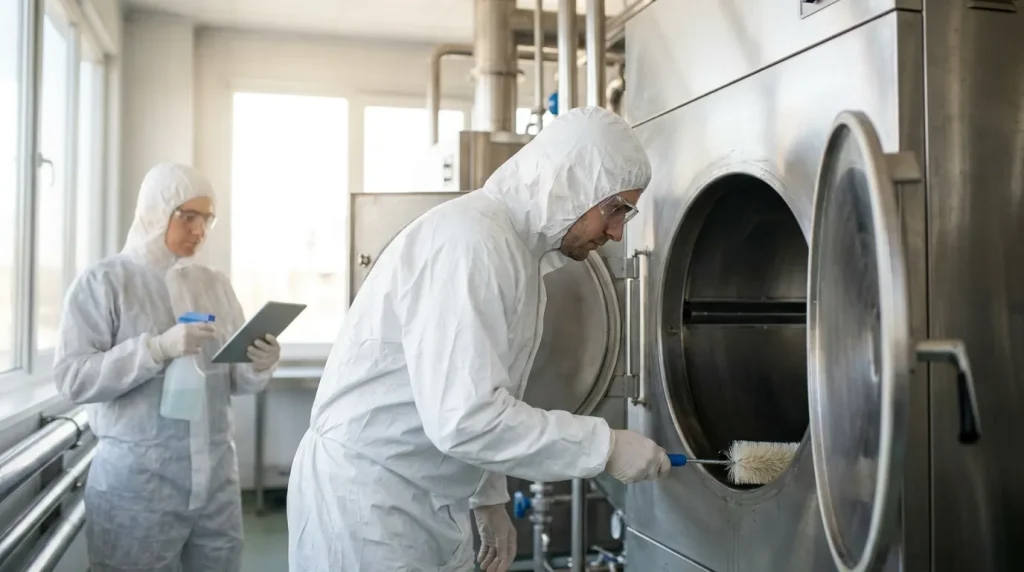
The essential pre-cleaning preparations are lockout/tagout (LOTO), product removal, and documentation setup. OSHA’s LOTO standard (29 CFR 1910.147) establishes an implementation framework commonly broken down into six-steps: preparation, shutdown, isolation, locking/tagging, stored energy check, and isolation verification. These steps prevent hazardous energy release before personnel clean the dryer.
Before cleaning begins, operators must:
- Remove all product from the dryer chamber and discharge systems
- Disconnect or isolate heating, cooling, and vacuum lines
- Gather approved cleaning agents, tools, and PPE specified in the cleaning SOP
- Prepare documentation forms for recording cleaning parameters and observations
This preparation phase sets the foundation for consistent, repeatable cleaning. Rushing through LOTO or skipping documentation setup creates compliance gaps that surface during audits.
What Methods and Tools Are Commonly Used for Dryer Cleaning?
The methods and tools commonly used for dryer cleaning include manual scrubbing, Clean-In-Place (CIP) systems, and specialized cleaning agents. These approaches vary by industry context; synonyms for changeover cleaning include “equipment decontamination,” “batch-to-batch cleaning,” “line clearance,” and “major cleaning,” depending on regulatory framework.
A typical CIP cycle follows this sequence:
- Pre-rinse to remove loose residue
- Caustic wash at controlled temperature and concentration
- Intermediate rinse
- Acid rinse (where required)
- Sanitization step
- Final post-rinse
CIP systems must maintain minimum flow velocity designations to achieve mechanical shear across all wetted surfaces with flow velocities around 5 ft/s (1.5 m/s) commonly used as a guideline in some hygienic processing applications. Where CIP is not utilized, lint-free wipes, dedicated brushes, and approved solvents address areas for manual cleaning. Selecting the right method depends on dryer geometry, residue characteristics, and regulatory requirements.
How Should the Dryer Be Inspected Post-Cleaning?
The dryer should be inspected post-cleaning through visual examination, swab testing, and analytical verification. Visual inspection confirms no visible residue remains on interior surfaces, seals, and discharge valves. However, visual checks alone cannot detect sub-visible contamination.
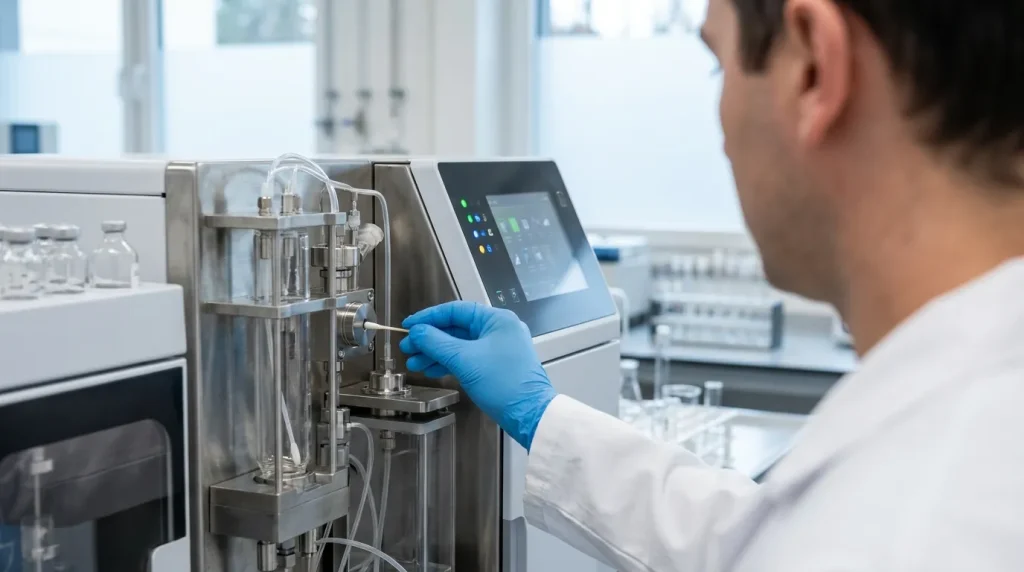
Swab testing collects samples from defined locations for laboratory analysis. Total Organic Carbon (TOC) analysis, accepted by the FDA when scientifically justified, offers rapid detection of organic residues by eluting swabs in ultrapure water. Results must meet pre-established acceptance criteria based on Health-Based Exposure Limits (HBEL) or Permitted Daily Exposure (PDE) values.
Post-cleaning documentation should record:
- Cleaning agent lot numbers and concentrations used
- Temperature, time, and flow rate parameters
- Swab locations and analytical results
- Any deviations observed and corrective actions taken
This documentation trail provides the evidence required during regulatory inspections. With inspection complete and documented, equipment is released for the next production batch.
What Industry Standards and Regulations Govern Dryer Cleaning Between Product Changeovers?
Industry standards and regulations governing dryer cleaning between product changeovers come from multiple agencies worldwide, including the FDA, EU GMP, ISO, and regional bodies like ANVISA and PMDA. The following sections detail which agencies set requirements and what documentation demonstrates compliance.
Which Regulatory Agencies Set Cleaning Requirements for Process Equipment?
Regulatory authorities that oversee requirements affecting cleaning, contamination control, and equipment suitability for regulated manufacturing include FDA (United States), EMA under EU GMP (Europe), Health Canada, TGA (Australia), PMDA (Japan), and ANVISA (Brazil). Each agency mandates validated cleaning procedures to prevent cross-contamination.
Les principaux cadres réglementaires comprennent :
- FDA 21 CFR Parts 210/211: Requires documented cleaning validation with scientifically justified residue limits (U.S.)
- EU GMP Annex 15: Mandates validation protocols for defining critical systems, attributes, and acceptance criteria, with deviations fully investigated (EU)
- ISO 22000:2018: Specifies prerequisite programs for equipment suitability, cleaning accessibility, and food safety hazard control (International)
- ANVISA RDC 658/2022: Requires science-based cleaning validation using Permitted Daily Exposure (PDE) limits for Brazilian pharmaceutical manufacturing (Brazil)
Modern standards (2025-2026) have shifted from the historical 1/1000th limit or 10 ppm threshold to Health-Based Exposure Limits calculated through toxicological assessment. Regional variations exist: PMDA emphasizes Japanese Pharmacopoeia reference methods, while TGA requires an Australian Sponsor for regulatory interactions despite aligning with ICH guidelines. These regional nuances can be underreported, creating compliance gaps for multinational operations.
What Documentation Is Required to Demonstrate Cleaning Compliance?
Documentation required to demonstrate cleaning compliance includes validation protocols, acceptance criteria justification, analytical test results, deviation reports, and batch-specific cleaning records.
Essential documentation elements:
- Validation Master Plan: Defines equipment scope, cleaning agents, and sampling strategy
- Cleaning SOPs: Step-by-step procedures with time, temperature, chemical concentration, and flow parameters
- Analytical Results: Swab test data, rinse sample analysis, or Total Organic Carbon (TOC) measurements (FDA-accepted with scientific justification)
- Deviation Reports: Required when results fail acceptance criteria
- Equipment Logbooks: Chronological cleaning and use records for traceability
For dryers processing potent compounds, documentation must justify residue limits based on PDE values rather than arbitrary thresholds. Complete records protect against regulatory citations and support rapid response during audits or product quality investigations.
With regulatory requirements established, the next section addresses how to optimize cleaning efficiency without compromising these compliance standards.
How Can You Optimize Dryer Cleaning Efficiency Without Compromising Safety?
You can optimize dryer cleaning efficiency without compromising safety by selecting cleaning agents that dissolve residues rapidly while following proper lockout/tagout procedures, and by integrating automation and real-time monitoring to reduce manual intervention. The subsections below cover agent selection techniques and automation strategies.
What Cleaning Agents and Techniques Minimize Downtime?
Cleaning agents and techniques that minimize downtime include liquid alkaline detergents for organic residues, acid-based cleaners for mineral scale, and optimized Clean-In-Place (CIP) cycles that control temperature, flow velocity, concentration, and contact time simultaneously. Liquid formulations dominate industrial cleaning applications, commanding 64.2% market share in 2025 according to Dataintelo, because they dissolve faster and rinse more completely than powders or gels.
Effective techniques for reducing changeover time include:
- Pre-rinsing immediately after production ends, before residues cure or harden
- Using heated cleaning solutions, typically 60–80°C (140–176°F), to accelerate dissolution
- Maintaining minimum flow velocity during CIP to ensure mechanical shear removes adhered particles
- Selecting cleaning agents matched to the specific residue chemistry rather than using generic all-purpose cleaners
Process Analytical Technology (PAT) combined with optical imaging during development identifies optimal cleaning parameters by revealing how dissolution and mechanical shear interact. This approach significantly reduces solvent usage while ensuring consistent results. Investing time in characterizing residue behavior during validation pays dividends in faster, more reliable changeovers during production.
How Can Automation or Monitoring Improve the Cleaning Process?
Automation and monitoring can improve the cleaning process by reducing human error, ensuring consistent parameter control, and providing real-time verification that cleaning endpoints have been reached. Automated CIP systems execute pre-programmed cycles that maintain precise temperature, pressure, chemical concentration, and timing without operator variability.
Key automation and monitoring improvements include:
- Programmable logic controllers (PLCs) that sequence rinse, wash, and sanitize steps automatically
- In-line Total Organic Carbon (TOC) analyzers that confirm residue removal in real time
- Conductivity sensors that verify rinse water quality before cycle completion
- Automated valve sequencing that eliminates manual isolation errors
Real-time PAT sensors represent a significant advancement over traditional endpoint testing. Rather than waiting for laboratory swab results, inline sensors detect when organic contamination drops below acceptance limits, allowing the cycle to terminate immediately. This prevents over-cleaning, which wastes time and chemicals, while ensuring under-cleaning never occurs.
Automation also strengthens safety by reducing confined-space entry requirements and minimizing worker exposure to cleaning chemicals or hazardous residues. With robust monitoring in place, the next consideration becomes addressing the specific challenges that complex dryer geometries present.
What Common Challenges Occur During Dryer Cleaning and How Can They Be Overcome?
Common challenges during dryer cleaning include accessing complex internal geometries and safely managing hazardous residues. The following subsections address strategies for hard-to-reach areas and solutions for handling dangerous materials.
How Do You Manage Hard-to-Reach Areas in Complex Dryer Designs?
You manage hard-to-reach areas in complex dryer designs by combining equipment modifications with specialized cleaning techniques. Dead legs, agitator assemblies, and internal baffles create zones where residues might accumulate beyond standard cleaning reach.
Effective approaches include:
- Installing additional inspection ports or spray nozzles in blind spots
- Using flexible lance systems for manual cleaning of internal corners
- Specify smooth surface finishes of approximately 0.3–0.4 µm Ra (12–16 µin Ra) on complex geometries to improve cleanability and reduce potential for residue retention
- Implementing CIP systems with flow velocities to maintain turbulent conditions, typically at least 1.5 m/s (5 ft/s)
For dryers with intricate internal structures, we recommend mapping all potential dead zones during qualification and documenting specific cleaning sequences for each area. This proactive approach prevents validation failures and reduces changeover time.
What Are Solutions for Handling Hazardous Residues or Materials?
Solutions for handling hazardous residues or materials combine engineering controls, protective equipment, and procedural safeguards. Potent APIs, toxic intermediates, and reactive compounds require additional precautions beyond standard cleaning protocols.
Key solutions include:
- Selecting cleaning agents matched to the specific hazard class while avoiding corrosive or environmentally harmful formulations
- Using chemical protective clothing, evaluated per EN ISO 13982-2 for solid particulate exposure
- Implementing full lockout/tagout procedures per regulations such as OSHA 29 CFR 1910.147 before any confined-space entry
- Applying Health-Based Exposure Limits to set scientifically justified acceptance criteria for residue clearance
These considerations underscore the importance of selecting validated agents that balance cleaning efficacy with worker and environmental safety. With hazardous residue protocols established, proper personnel training ensures these safeguards translate into consistent practice.
How Should You Train and Equip Personnel for Dryer Cleaning During Product Changeovers?
You should train personnel through documented procedures covering safety protocols, cleaning techniques, and verification methods, while equipping them with appropriate PPE and specialized tools. The following sections detail specific safety measures and training approaches that reduce errors during changeovers.
What Safety Measures Must Be Taken During Dryer Cleaning?
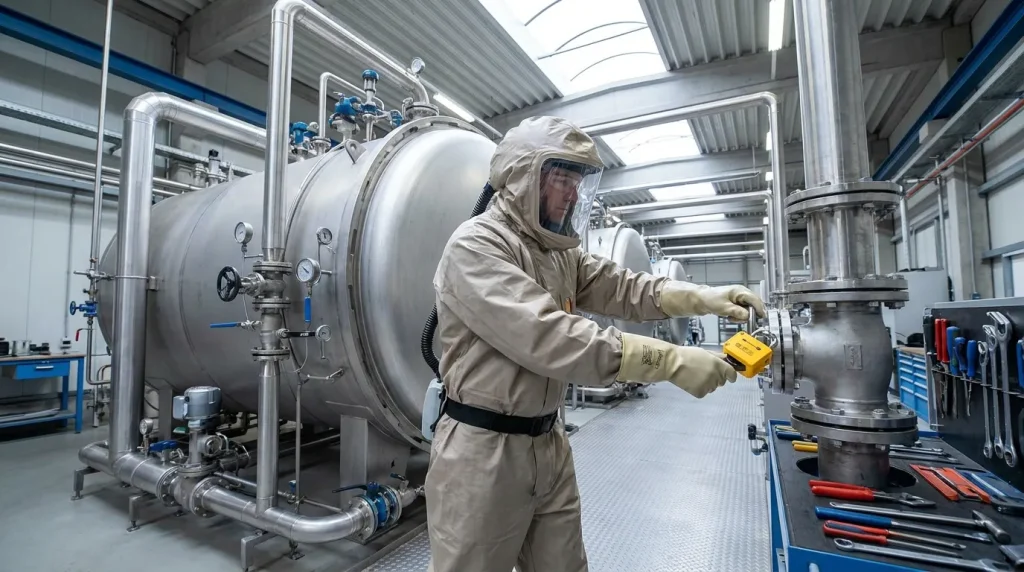
Safety measures that must be taken during dryer cleaning include lockout/tagout procedures, proper PPE selection, and hazard-specific protocols. OSHA’s Lockout/Tagout standard (29 CFR 1910.147) outlines an implementation framework commonly broken down into six steps: preparation, shutdown, isolation, locking/tagging, stored energy check, and isolation verification to prevent hazardous energy release during cleaning operations.
Essential PPE requirements depend on residue characteristics:
- Chemical-resistant suits tested to standards such as EN ISO 13982-2 for solid particle protection
- Respiratory protection rated for specific contaminants present
- Eye protection and face shields for splash hazards
- Heat-resistant gloves when cleaning dryers above 400°F (204°C)
For potent compounds or hazardous residues, containment protocols must prevent personnel exposure. Written safety procedures should specify maximum permissible exposure limits and required engineering controls. Confined space entry permits apply to large rotary or fluid bed dryers where personnel may need to physically enter the vessel.
How Can Training Reduce Errors in the Changeover Process?
Training reduces errors in the changeover process by establishing consistent procedures, building contamination awareness, and ensuring personnel recognize critical verification points. Documented training programs should cover equipment-specific cleaning sequences, proper chemical handling, and acceptance criteria interpretation.
Key training components include:
- Hands-on practice with swab sampling and visual inspection techniques
- Understanding of residue limits based on Health-Based Exposure Limits (HBEL) such as Permitted Daily Exposure (PDE) values
- Recognition of common failure points in dryer geometries
- Proper documentation completion for GMP compliance
Cross-training multiple operators prevents single-point knowledge failures during shift changes. Competency assessments should verify both procedural knowledge and practical skill execution before personnel perform changeovers independently.
Regular refresher training reinforces critical steps. When procedures change due to new products or updated regulations, retraining ensures consistent application across all shifts. With trained personnel in place, equipment design features further influence cleaning effectiveness during changeovers.
How Do Upgrades or Equipment Selection Influence Dryer Cleaning Between Changeovers?
Upgrades and equipment selection influence how quickly and thoroughly you can clean dryers between changeovers. The subsections below examine design features that simplify cleaning and how to evaluate used versus new equipment for cleaning effectiveness.
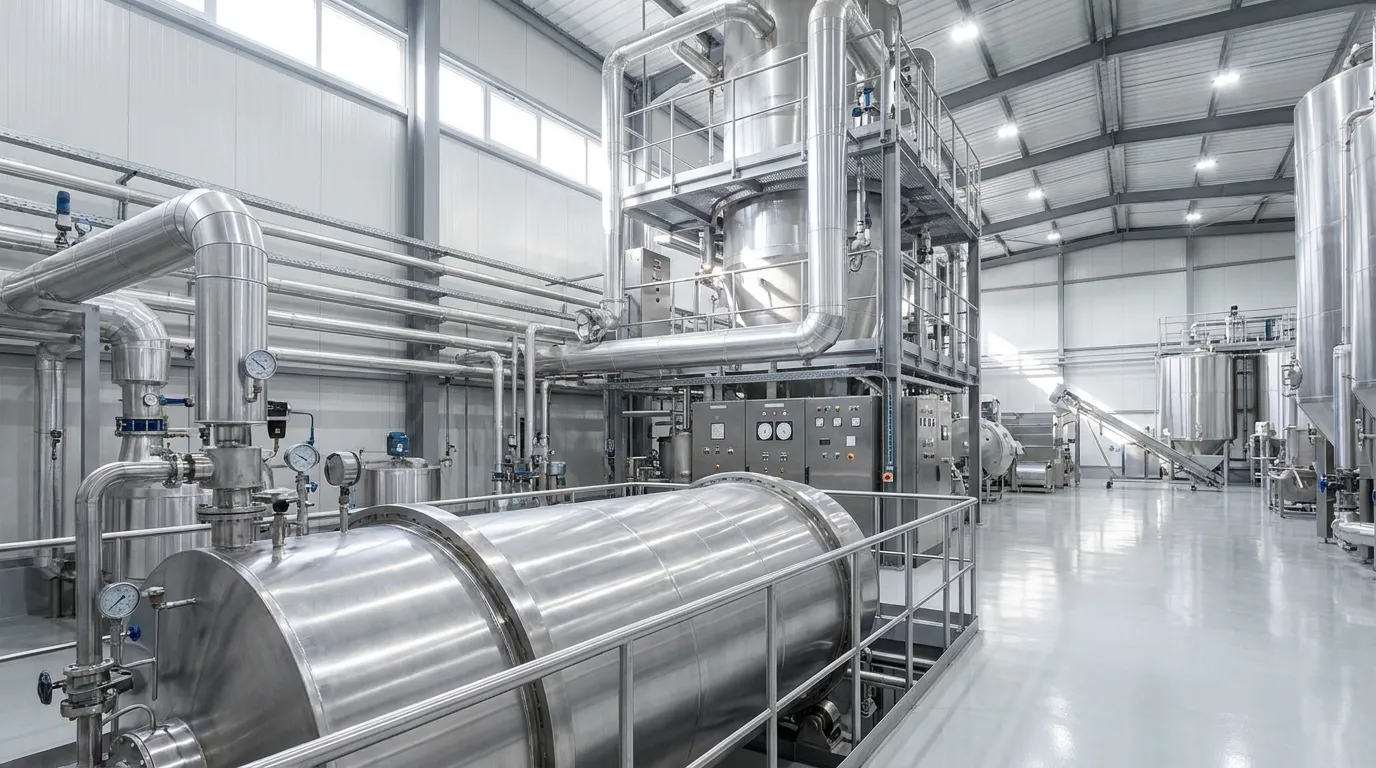
What Design Features Make Dryers Easier to Clean?
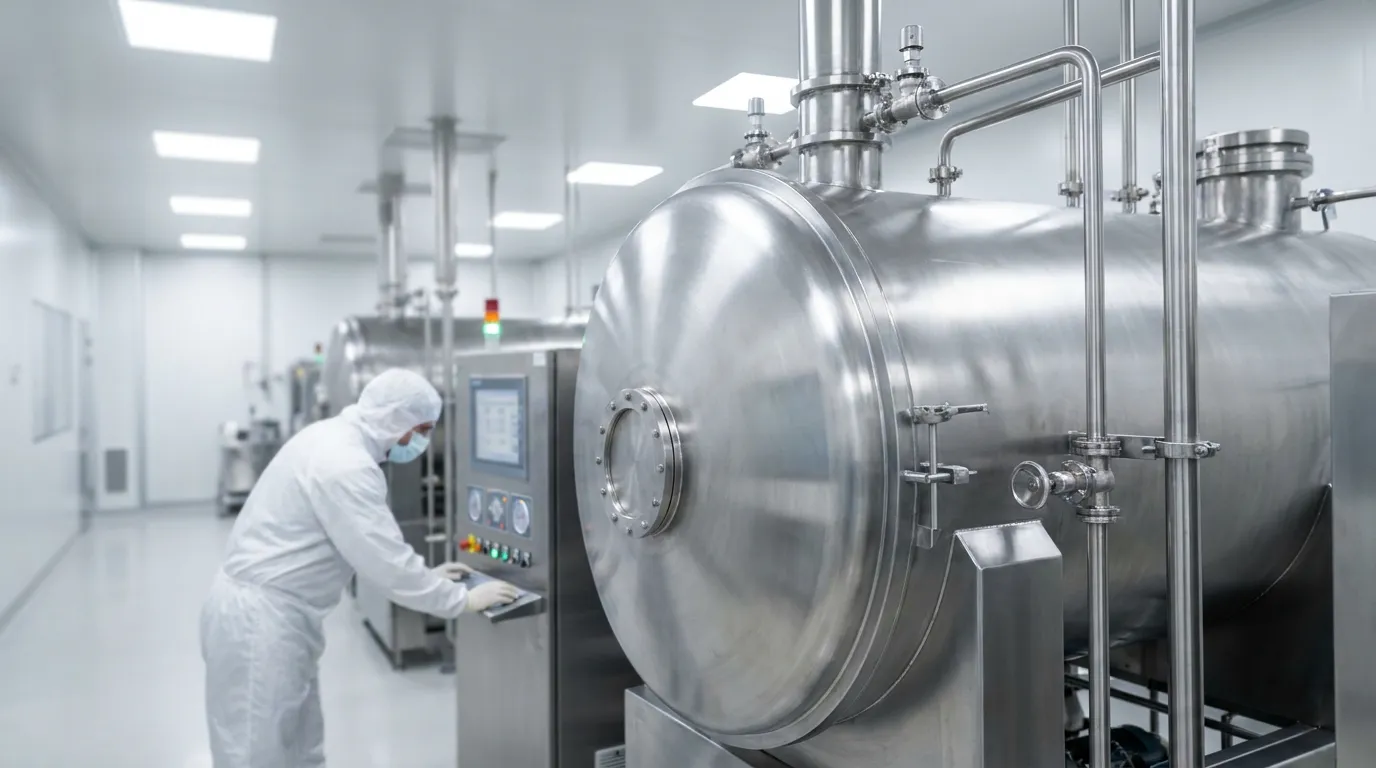
Design features that can make dryers easier to clean include smooth interior surfaces, accessible inspection ports, and CIP (Clean-In-Place) systems integration ability. Surface finish influences equipment cleanability; sanitary applications commonly target finishes of approximately 32 µin (0.8 µm) Ra or better, while pharmaceutical applications may require finer finishes (e.g., 15 µin / 0.38 µm Ra) to minimize residue retention on product-contact surfaces. According to 3-A Sanitary Standards for process equipment used in the food, dairy, and beverage industries, surfaces should be free from pits, folds, and crevices to meet hygienic requirements.
International Process Plants inspects and documents surface conditions of inventory equipment, assessing cleaning suitability and identifying any required refurbishment or preparation activities prior to equipment delivery. With quality used dryers designed for cleanability, you can reduce capital expenditure while maintaining changeover efficiency.
How Can International Process Plants Support Dryer Cleaning and Equipment Changeovers?
International Process Plants supports dryer cleaning and equipment changeovers by supplying new surplus and quality used process dryers with cleanability-optimized designs. The following sections detail cost-effective sourcing options and summarize the best practices covered throughout this guide.
Can International Process Plants Provide Cost-Effective Used or Refurbished Dryers for Easier Changeovers?
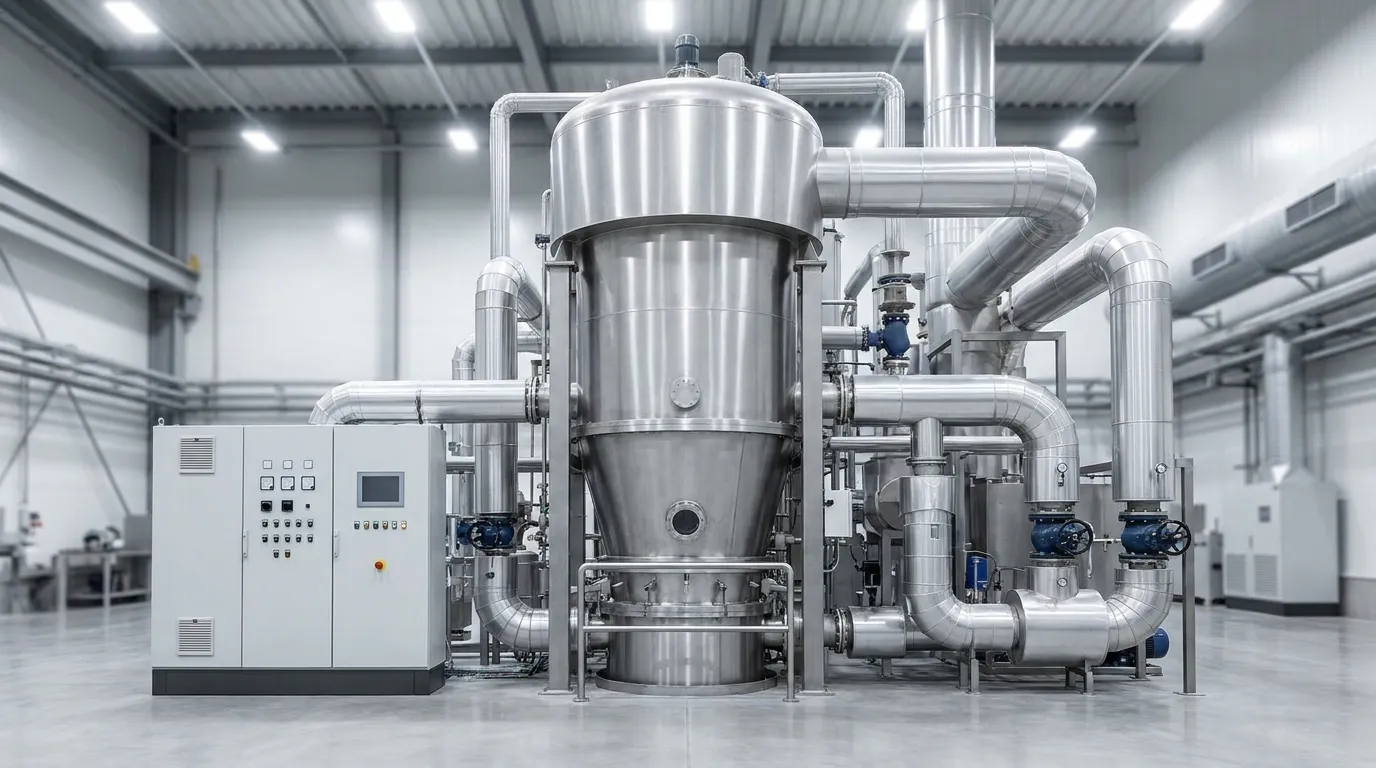
Yes, International Process Plants can provide cost-effective used dryers for easier changeovers. Our inventory of 15,000+ pieces of equipment includes process dryers with sanitary surface finishes, CIP-compatible configurations, and accessible geometries that help reduce cleaning time between batches. Quality used dryers from IPP typically cost approximately 50% of new equipment pricing while complying with applicable design codes and regulatory requirements, including relevant ASME standards, CE marking requirements, and PED requirements where applicable.
We stock dryers in materials such as 316L and 304 stainless steel with surface finishes suitable for hygienic pharmaceutical and food processing applications. Equipment arrives with documentation supporting cleaning validation requirements, including material certifications and dimensional records for dead legs and internal welds. Contact our team to discuss specific changeover challenges and identify dryers matched to your cleaning protocols.
What Are the Key Takeaways About Dryer Cleaning Between Product Changeovers: Best Practices We Covered?
The key takeaways about dryer cleaning between product changeovers are:
- Cross-contamination prevention requires validated cleaning procedures with scientifically justified residue limits
- Pre-cleaning preparation includes LOTO procedures, proper PPE selection, and documented protocols
- CIP systems demand control of five variables: temperature, flow velocity to maintain turbulent conditions (typically at or above roughly 1.5 m/s (5 ft/s)), pressure, chemical concentration, and cycle time
- Surface finish influences cleanability: sanitary applications may specify approximately 0.3–0.4 µm Ra (12–16 µin Ra) finishes to minimize surface irregularities and improve cleaning effectiveness in complex geometries.
- Documentation must satisfy regional regulatory requirements, such as those from the FDA, EU GMP Annex 15, ANVISA, PMDA, and TGA
- Equipment design features such as accessible internals, smooth welds, and minimal dead legs reduce changeover duration
International Process Plants maintains inventory across our US warehouse (Eastover, South Carolina) and our warehouses in Germany and the United Kingdom to support global operations. Our team can help you find the dryer best suited to your process requirements, including applications involving frequent product changeovers.

 FR
FR  EN
EN  ES
ES  PL
PL  DE
DE  AR
AR  UR
UR  HI
HI  NL
NL  TR
TR  IT
IT  UK
UK  RU
RU  JA
JA  PT
PT  ZH
ZH