 مواد پر جائیں۔
Industrial tanks are process vessels engineered to contain, blend, or thermally condition liquids, gases, and bulk solids across chemical, pharmaceutical, petroleum, and food production operations. This guide covers storage tank design and compliance, mixing tank configurations and maintenance, jacketed tank heat transfer, selection criteria, inspection best practices, and secondary-market acquisition.
Storage tanks hold bulk materials at atmospheric or low pressure, with designs ranging from floating roof and fixed roof to bunded configurations built from stainless steel, polyethylene, or fiberglass. Standards such as API 650, API 620, ASME Section VIII, EN 14015, the Pressure Equipment Directive and CE and UKCA govern their construction and inspection intervals across global jurisdictions.
Mixing tanks use mechanical agitation in top-entry, side-entry, or bottom-entry positions with impeller types matched to fluid viscosity and solids loading. Maintenance centers on seal integrity, shaft alignment, and impeller wear rather than the static corrosion concerns that dominate storage vessels.
Jacketed tanks surround the process vessel with an external shell circulating heating or cooling fluid. Conventional, dimple, and half-pipe jacket designs each balance surface area, pressure capacity, and fabrication cost for applications from pharmaceutical crystallization to polymer production.
Selecting the right tank type requires evaluating process function, operating temperature, pressure rating, material compatibility, and regulatory obligations simultaneously. Proper inspection scheduling and proactive corrosion monitoring protect asset value over the full service life.
Sourcing new surplus and quality used tanks through established suppliers like International Process Plants reduces capital expenditure and lead times while providing verified inspection records that support informed redeployment decisions.
What Are Storage Tanks and What Industries Rely on Them?
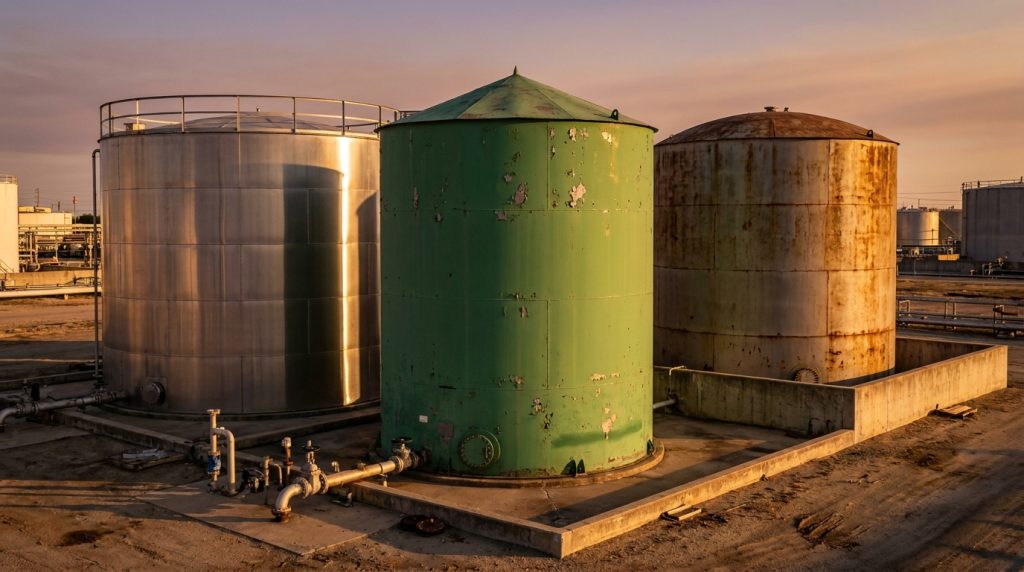
Storage tanks are enclosed vessels designed to hold liquids, gases, or bulk solids at atmospheric or low pressure for extended periods. Industries such as petroleum refining, chemical processing, water treatment, and food production rely on them for safe containment and process continuity.
How Do Storage Tanks Vary by Material and Design?
Storage tanks vary by material and design based on the substance stored, operating conditions, and regulatory requirements. Common design categories include:
- Floating roof tanks rise and fall with product levels to prevent vapor buildup.
- Fixed roof tanks suit lower-volume or less volatile contents.
- Bunded tanks incorporate secondary containment for leak protection.
Materials range from carbon steel and stainless steel to fiberglass-reinforced plastic and high-density polyethylene, each selected for chemical compatibility and durability. According to GSC Tanks, the API 650 standard governs welded oil storage tanks at atmospheric pressure within -40 °F to 500 °F (-40 °C to 260 °C), while API 620 covers large, low-pressure tanks up to 15 PSI (1.03 bar) for cryogenic substances like LNG at temperatures as low as -325 °F (-198 °C).
What Are the Main Applications of Storage Tanks in Process Industries?
The main applications of storage tanks in process industries include bulk chemical holding, crude oil storage, water and wastewater treatment, and intermediate product buffering between unit operations. Chemical storage tanks are primarily manufactured using stainless steel, polyethylene, and fiberglass, with selection based on chemical compatibility, durability requirements, and maintenance considerations.
Corrosion remains the dominant failure mode. A European Commission Joint Research Centre report found that atmospheric storage tanks in process industries are susceptible to corrosion from condensation on fixed roofs, rainwater intrusion through damaged drain seals, foundation settling that traps water beneath the tank floor, and aggressive sulfur-driven corrosion in crude oil service. For procurement teams, understanding these failure mechanisms directly influences material selection decisions when specifying replacement tanks.
What Regulations and Safety Standards Apply to Storage Tanks?
The regulations and safety standards that apply to storage tanks depend on geography, stored material, and operating pressure. Key frameworks include:
- API 650 and API 620 (petroleum and low-pressure tanks, recognized globally).
- ASME Section VIII for tanks operating above atmospheric pressure.
- EN 14015 for site-built vertical cylindrical flat-bottomed steel tanks in Europe.
- PED (Pressure Equipment Directive 2014/68/EU) and CE marking for EU compliance.
Compliance also requires periodic inspections; underground facilities typically need operations inspections at defined intervals plus internal inspections at 10-year and 20-year marks, with critical safety steps including tank isolation, ventilation, and review of historical contents before repairs begin. For facilities operating across multiple jurisdictions, aligning with both ASME and PED standards simplifies equipment redeployment internationally.
With storage tank fundamentals established, the next section examines how mixing tanks add agitation to enable chemical reactions and blending.
How Are Mixing Tanks Used in Industrial Processes?
Mixing tanks are used in industrial processes to blend, dissolve, suspend, or homogenize materials into uniform products. The subsections below cover key configurations, selection criteria for agitated versus static designs, and maintenance considerations unique to mixing tanks.
What Are the Key Features and Configurations of Mixing Tanks?
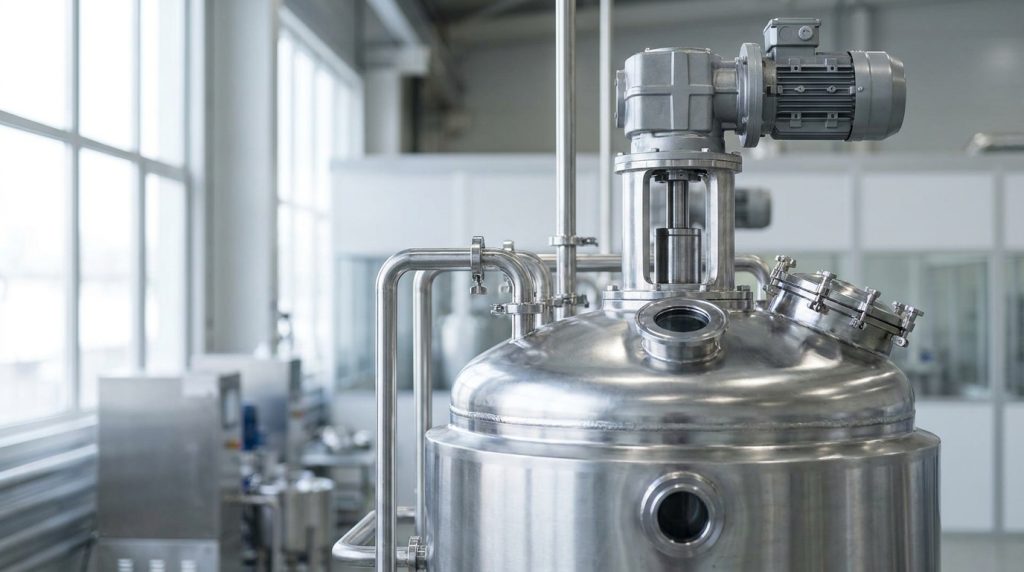
The key features and configurations of mixing tanks center on agitator placement, impeller design, and vessel geometry. According to IQS Directory, agitators are configured in top-entry, side-entry, and bottom-entry positions, utilizing impeller types such as paddle, anchor, helical ribbon, propeller, and turbine designs to prevent concentration and temperature variations within mixtures.
Key configuration variables include:
- Agitator entry position: top-entry suits deep vessels, side-entry handles large-volume tanks, and bottom-entry works well for low-clearance installations.
- Impeller type: high-shear turbines disperse immiscible liquids, while low-shear anchors blend viscous pastes.
- Vessel geometry: flat-bottom tanks collect solids for discharge; dished or conical bottoms promote complete drainage.
- Baffles: internal baffles break vortex formation and improve axial flow patterns.
Matching impeller geometry to fluid viscosity is one of the most overlooked factors in mixing tank specification, yet it directly determines blend time and energy consumption.
When Should You Choose an Agitated Versus a Static Mixing Tank?
You should choose an agitated mixing tank when the process requires active shear input, solids suspension, or continuous homogenization of fluids with differing viscosities or densities. Static mixing tanks suit applications where inline turbulence or simple gravity blending achieves adequate uniformity without moving parts.
Practical decision factors include:
- Viscosity: fluids above roughly 10,000 cP may need mechanical agitation; low-viscosity blends may only require static inline mixers.
- Solids loading: suspended particles settle without continuous agitation, making powered impellers essential.
- Batch versus continuous flow: batch operations favor agitated vessels, while continuous processes often benefit from static mixers installed in piping.
- Maintenance tolerance: static mixers have no bearings, seals, or motors to service, reducing long-term upkeep costs.
For most chemical and pharmaceutical batch processes, agitated tanks remain the safer default because process conditions change within a single batch cycle.
What Maintenance Considerations Are Unique to Mixing Tanks?
The maintenance considerations unique to mixing tanks involve mechanical seal integrity, impeller wear, shaft alignment, and bearing condition. Unlike static storage vessels, mixing tanks contain rotating components that introduce vibration, fatigue, and seal degradation over time.
Critical maintenance items include:
- Mechanical seals: inspect for leakage at regular intervals; seal failure can contaminate product or release hazardous vapors.
- Impeller and shaft inspection: check for erosion, corrosion, or cracking, especially when processing abrasive slurries.
- Bearing lubrication: follow manufacturer-specified lubrication schedules to prevent premature bearing failure and shaft misalignment.
- Baffle and vessel wall erosion: high-shear zones near baffles experience accelerated wear in corrosive or abrasive services.
Proactive replacement of seals and bearings before failure prevents unplanned shutdowns that cost far more than the parts themselves. With configurations and maintenance addressed, understanding jacketed tanks adds the dimension of precise temperature control to these process vessels.
What Are Jacketed Tanks and How Do They Control Temperature?
Jacketed tanks are vessels surrounded by an external shell through which heating or cooling fluid circulates, controlling process temperature without direct contact with the product inside. The subsections below cover jacket designs, applications, and material considerations.
How Do Different Jacket Designs Affect Heating and Cooling Efficiency?
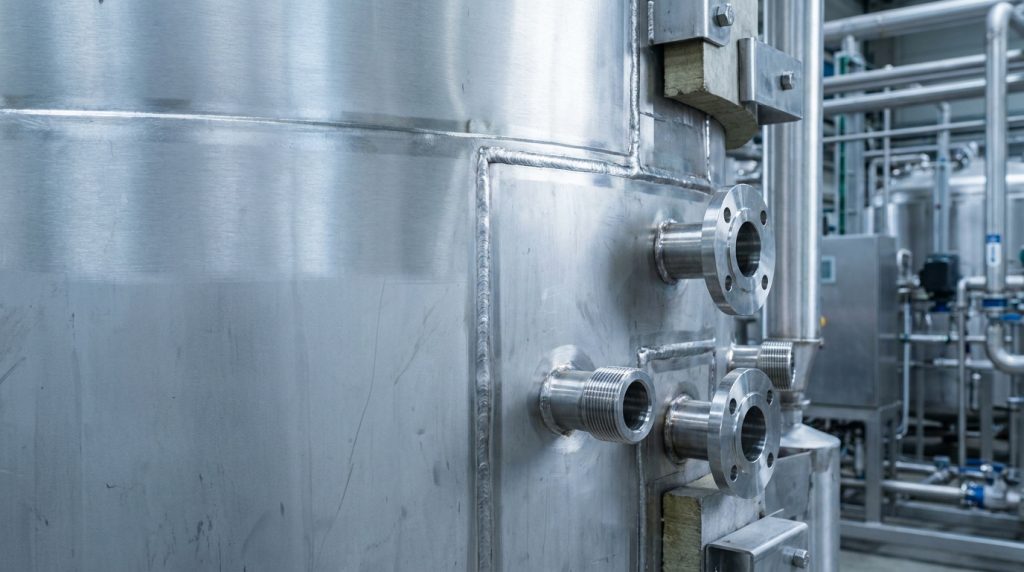
Different jacket designs affect heating and cooling efficiency by varying the surface area, flow pattern, and pressure capacity of the heat transfer medium. According to MXD Process, jacketed tanks utilize several configurations for indirect heat transfer:
- Conventional jackets enclose the vessel in a full outer shell, providing uniform heat distribution for standard applications.
- Dimple jackets use spot-welded indentations that increase surface area and add structural integrity, improving heat transfer rates in moderate-pressure systems.
- Half-pipe jackets weld semicircular channels in a serpentine path around the vessel, directing high-pressure fluid flow for demanding thermal loads.
Steam is commonly used for heating, while glycol-based coolants serve low-temperature applications. For procurement engineers, half-pipe designs often justify their higher fabrication cost when process pressures exceed what conventional jackets can handle safely.
What Applications Require the Use of Jacketed Tanks?
Applications that require the use of jacketed tanks include any process where precise temperature control is critical to product quality, reaction kinetics, or material viscosity. Common examples:
- Pharmaceutical manufacturing, where maintaining exact temperatures during crystallization or fermentation protects API stability.
- Chemical synthesis, where exothermic or endothermic reactions demand continuous heat removal or addition.
- Food and beverage processing, where pasteurization, chocolate tempering, or dairy cooling requires uniform thermal profiles.
- Polymer production, where viscosity-sensitive materials need controlled heating to maintain flow characteristics.
These processes rely on indirect heat transfer because direct contact with heating media would contaminate the product.
What Are the Pros and Cons of Various Jacketed Tank Materials?
The pros and cons of various jacketed tank materials depend on chemical compatibility, thermal conductivity, and cost:
- 316L سٹینلیس سٹیل resists corrosion from most acids and solvents, tolerates high temperatures, and cleans easily. However, it costs more than carbon steel and conducts heat less efficiently than copper alloys.
- Carbon steel offers lower upfront cost and adequate strength for non-corrosive services, but requires internal linings or coatings when handling aggressive chemicals.
- Hastelloy C-276 withstands highly corrosive environments including chloride-rich and oxidizing conditions, making it suitable for specialty chemical processes. Its significantly higher material cost limits use to applications where lesser alloys would fail.
- Glass-lined carbon steel provides excellent corrosion resistance at moderate cost, though the lining is vulnerable to thermal shock and mechanical impact.
Selecting the right material requires balancing process chemistry against total lifecycle cost, not just purchase price. With material choices clarified, selecting the right tank type for a specific process depends on evaluating multiple operational factors together.
How Do You Select the Appropriate Type of Industrial Tank for a Specific Process?
You select the appropriate type of tank by evaluating process requirements, material compatibility, and regulatory obligations. The following subsections cover key decision factors and compliance considerations.
What Factors Should You Evaluate When Choosing Between Storage, Mixing, and Jacketed Tanks?
The factors you should evaluate when choosing between storage, mixing, and jacketed tanks include:
- Process function: Storage tanks hold bulk liquids or gases at rest. Mixing tanks blend, dissolve, or suspend solids using agitation. Jacketed tanks add or remove heat during processing.
- Operating temperature range: Processes requiring precise thermal control between -40 °F and 500 °F (-40 °C to 260 °C) typically need jacketed vessels rather than standard storage tanks.
- Pressure requirements: Atmospheric storage suits most bulk holding applications, while mixing or jacketed operations may demand vessels rated for elevated pressures up to 15 PSI (1.03 bar) or higher.
- Material compatibility: Chemical aggressiveness determines whether 316L stainless steel, Hastelloy C-276, polyethylene, or fiberglass is appropriate.
- Working capacity versus design capacity: Working capacity often matters more to buyers, since it reflects the usable volume after accounting for headspace and agitation clearance.
For most chemical and pharmaceutical operations, prioritizing working capacity and material compatibility over raw vessel size leads to better long-term performance and fewer unplanned shutdowns.
How Do Regulatory and Environmental Requirements Influence Tank Selection?
Regulatory and environmental requirements influence tank selection by dictating design standards, inspection intervals, and containment features that constrain which tank types are permissible for a given application.
According to Meena Development Ltd., the API 650 standard governs welded oil storage tanks at atmospheric pressure within -40 °F to 500 °F (-40 °C to 260 °C), while API 620 covers large, low-pressure tanks up to 15 PSI (1.03 bar) for cryogenic substances reaching -325 °F (-198 °C). Key compliance considerations include:
- Secondary containment: Bunded tank designs with leak protection satisfy environmental spill-prevention mandates.
- Pressure Equipment Directive (PED) and CE marking: Required for tanks deployed in European and UK markets.
- ASME certification and CRN registration: Necessary for vessels operating in North American and Canadian jurisdictions.
- Inspection mandates: Internal inspections at 10-year and 20-year intervals, plus isolation and ventilation protocols before repairs.
Selecting a tank that already carries the required certifications reduces lead time and avoids costly retrofits during commissioning. With selection criteria established, maintaining these assets over their service life becomes the next priority.
What Are the Maintenance and Inspection Best Practices for Industrial Tanks?
The maintenance and inspection best practices for industrial tanks include scheduled visual assessments, internal corrosion monitoring, foundation checks, and proactive servicing intervals tied to tank type and service conditions.
How Frequently Should Industrial Tanks Be Inspected and Serviced?
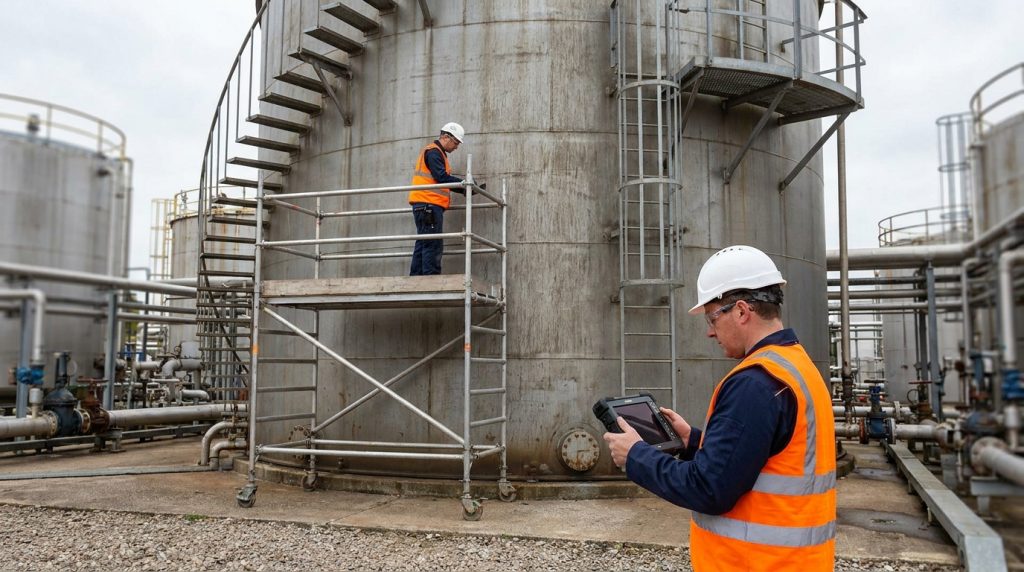
Industrial tanks should be inspected and serviced at intervals determined by service type, regulatory requirements, and operating environment. According to the Pennsylvania Department of Environmental Protection, underground storage facilities require routine operations inspections, with internal inspections mandated at 10-year and 20-year intervals. Critical safety steps before any repair include tank isolation, proper ventilation, and review of historical contents.
Above-ground tanks in less corrosive service may follow annual external checks with internal inspections every 5 years. Tanks handling aggressive chemicals or operating at elevated temperatures often require more frequent evaluation. For procurement engineers assessing used equipment, verified inspection history directly influences asset value and redeployment timelines.
What Risks Arise from Neglecting Tank Maintenance?
The risks that arise from neglecting tank maintenance include undetected corrosion, structural failure, environmental contamination, and unplanned shutdowns. According to the European Commission Joint Research Centre, atmospheric storage tanks in processing industries are susceptible to corrosion failures driven by condensation on fixed roofs, rainwater leaks into dikes through damaged drains, foundation settling that collects water under the tank, and aggressive forces from sulfur content in crude oil service.
As Boardman LLC warns, “corrosion often progresses out of sight,” and “by the time surface damage is noticeable, internal loss may already be significant.” With the global storage tank market projected to reach USD 37.98 billion by 2030 (Grand View Research), the installed base continues expanding, making deferred maintenance an increasingly costly risk across the sector.
Understanding maintenance requirements helps inform smarter decisions when acquiring or redeploying tank assets.
How Does the Buying, Selling, and Refurbishing of Industrial Tanks Work?
The buying, selling, and refurbishing of industrial tanks works through a structured process of asset evaluation, disassembly, restoration, and redeployment. The following sections cover how International Process Plants supports tank acquisition and summarize key takeaways.
Can International Process Plants Help with the Acquisition or Redeployment of Industrial Tanks?
Yes, International Process Plants can help with the acquisition or redeployment of industrial tanks. With over 46 years of experience and more than 160,000 satisfied customers worldwide, International Process Plants simplifies plant transitions across pharmaceutical, petrochemical, industrial chemical, fine/specialty chemical, agrichemical/fertilizer, oil refining, polymers, artificial fibers, power generation, gas processing, food processing, paper, metals, and alternative fuels sectors.
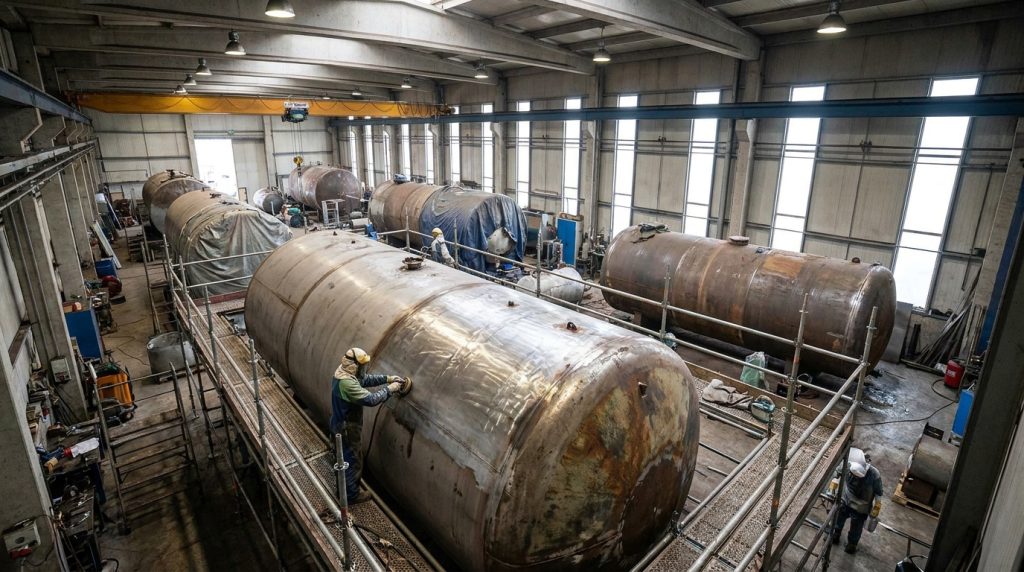
Refurbishment of used tanks involves complete disassembly, sandblasting to remove rust and debris, structural repair or strengthening, and reassembly with new components to ensure compliance with industry-specific standards and extend asset life. According to the International Energy Agency, total final energy consumption in the industrial sector reached over 450 EJ in 2024, accounting for nearly 40% of global demand, with much of the energy in less energy-intensive industries used for heat production at temperatures up to 392°F (200°C). This thermal demand makes properly refurbished jacketed and storage tanks critical infrastructure for energy-efficient operations.
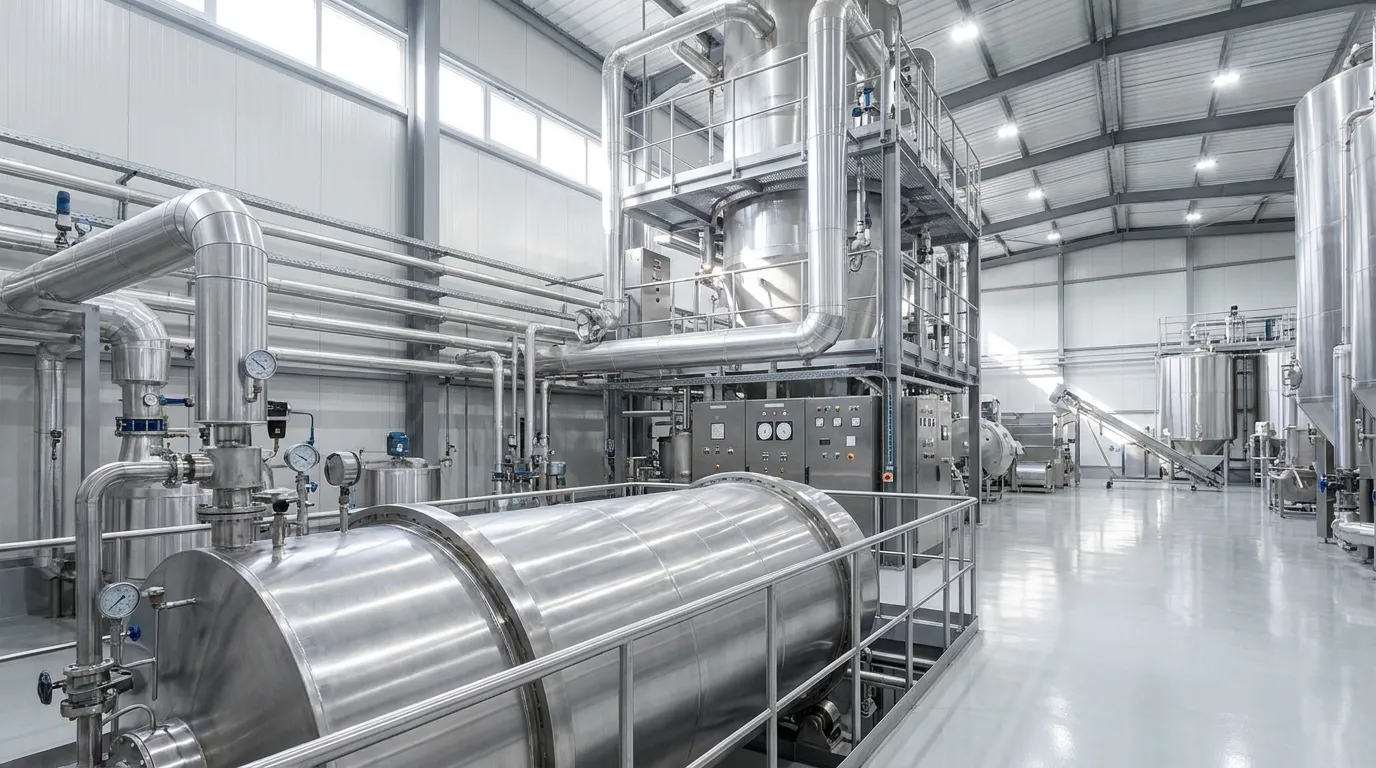
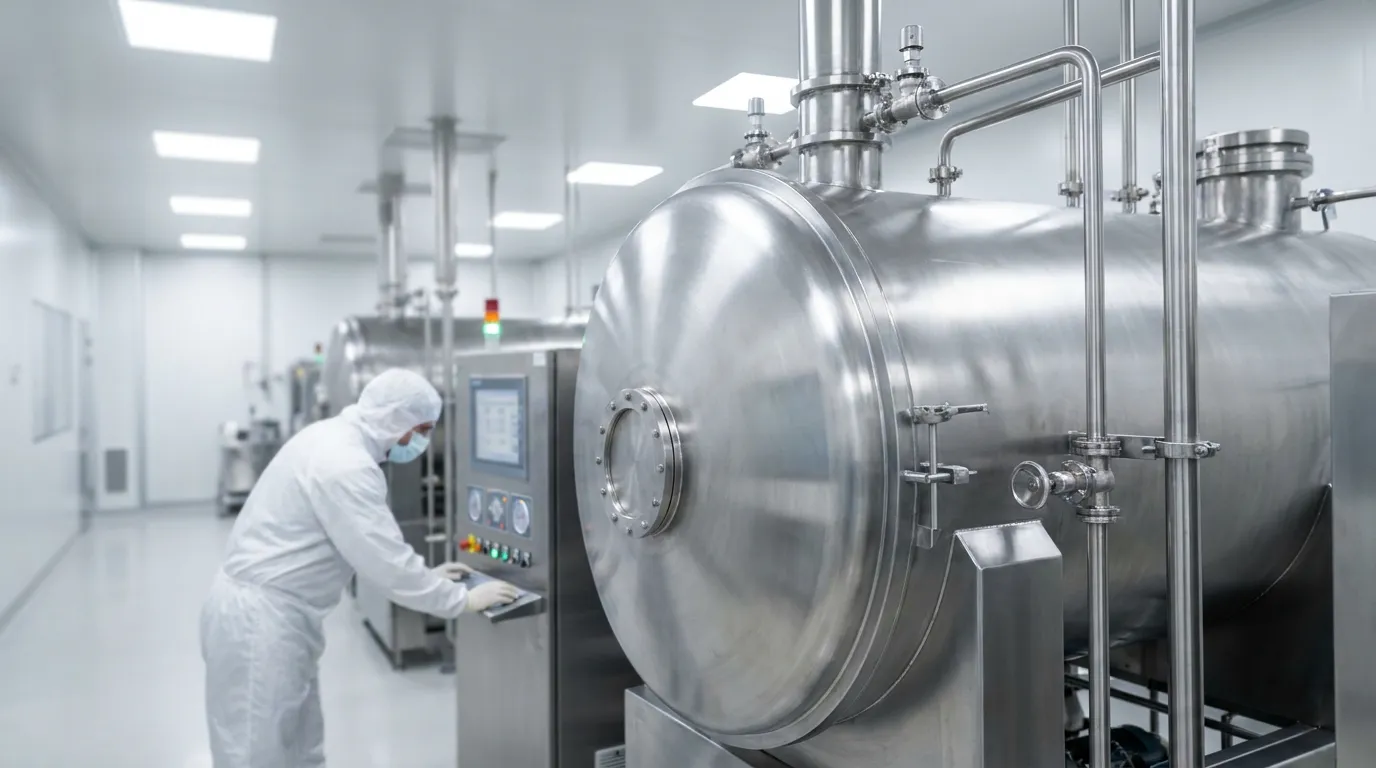
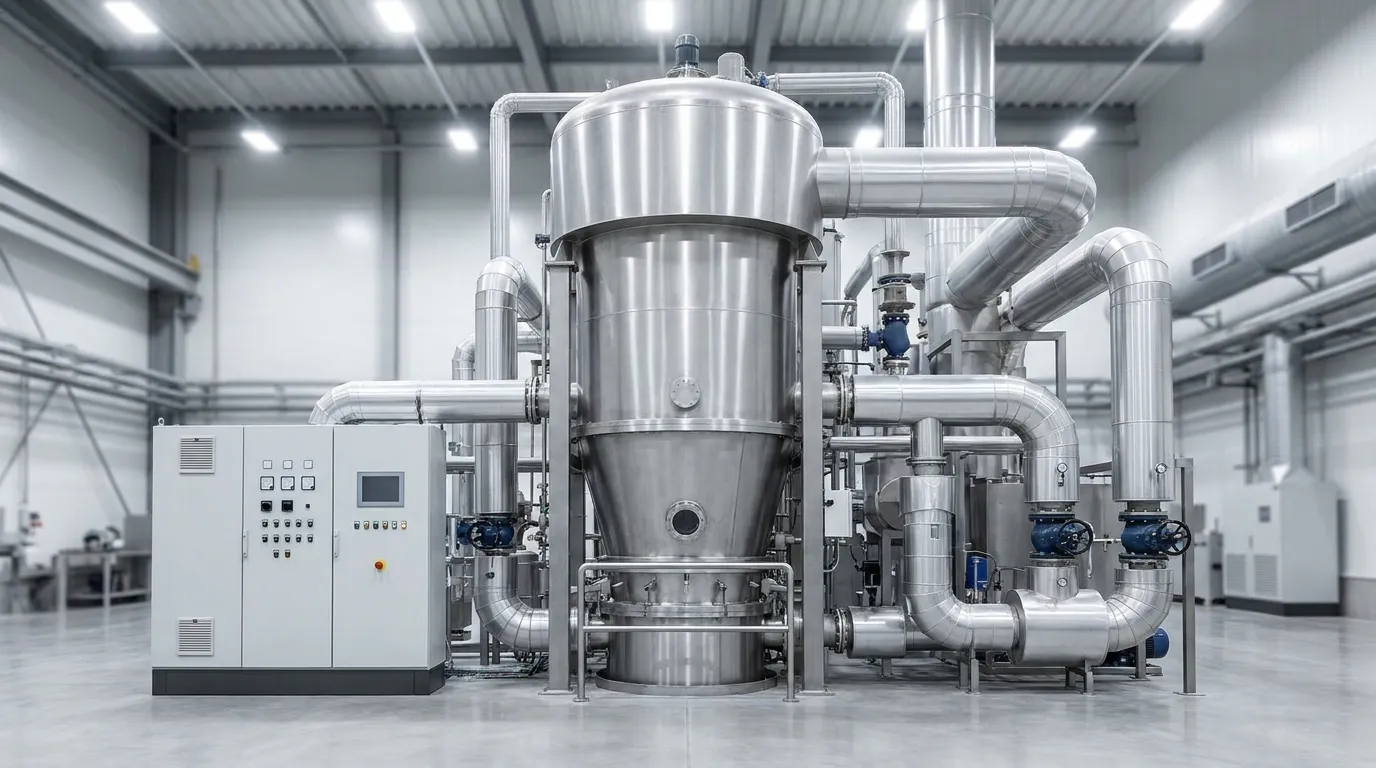
International Process Plants currently offers a range of process equipment including mixing tanks, storage vessels, and jacketed tanks suited to diverse process requirements.
What Are the Key Takeaways About Types of Industrial Tanks and Their Uses?
The key takeaways about types of industrial tanks and their uses are:
- Storage tanks serve bulk containment needs, with designs including floating roof tanks that rise and fall with product levels to prevent vapor build-up, fixed roof tanks for lower volumes, and bunded tanks with secondary containment for leak protection.
- Mixing tanks combine ingredients through agitation systems configured with impeller types such as paddle, anchor, helical ribbon, propeller, and turbine designs.
- Jacketed tanks provide indirect heat transfer for temperature-sensitive processes using conventional, dimple, or half-pipe jacket configurations.
- Tank selection depends on process temperature, pressure rating, chemical compatibility, and regulatory compliance requirements.
- Sourcing new surplus and quality used tanks from established suppliers reduces lead times and capital expenditure compared to purchasing new from manufacturers.
For procurement engineers evaluating tank options, International Process Plants provides technical documentation and inspection records to support informed acquisition decisions.

 UR
UR  EN
EN  ES
ES  FR
FR  PL
PL  DE
DE  AR
AR  HI
HI  NL
NL  TR
TR  IT
IT  UK
UK  RU
RU  JA
JA  PT
PT  ZH
ZH