 İçeriğe geç
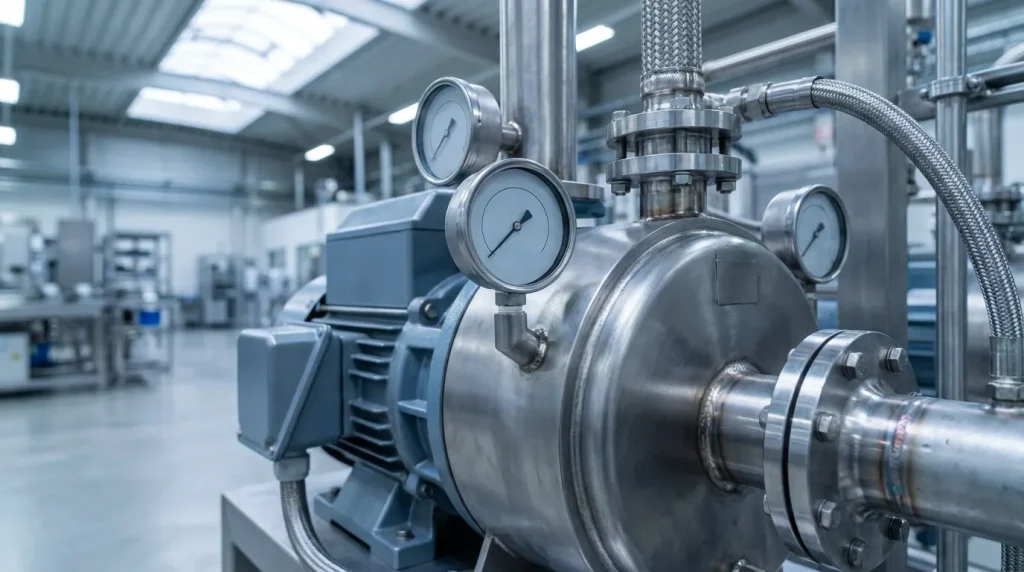
Vacuum dryer pump maintenance is the systematic practice of inspecting, lubricating, and servicing vacuum pumps to prevent failures and ensure consistent drying performance in chemical, pharmaceutical, food and beverage, and other processing applications.
This guide covers the importance of regular maintenance and its impact on equipment longevity, step-by-step procedures for routine inspections and lubrication, methods for identifying wear and potential failures, industry standards and safety compliance requirements, and considerations for maintaining used or redeployed equipment.
Regular maintenance helps prevent costly failures that can halt production lines. A 2024 industrial case study published in MDPI on Human-Supervised CPS-Based Optimization of Production highlights results of reduced unplanned downtime from 10 hours per month to 5 hours per month and savings of approximately EUR €240,000 (~USD $274,587) in annual production costs through optimized maintenance assisted by the use of cyber–physical systems (CPSs) connecting physical production processes with digital data. Preventive care can double pump lifespan according to manufacturer guides, extending operational life from an average of 5 years to potentially over 10 years, and implementing predictive maintenance techniques, such as through cyber–physical systems (CPSs), can achieve further gains over solely preventive strategies.
Routine procedures include frequent visual inspections for leaks and damage, oil level checks through sight glasses, temperature monitoring, and listening for unusual bearing noises. Minor maintenance tasks such as oil changes and filter inspections are required at manufacturer-specified intervals, typically around 2,000 to 3,000 operating hours, with synthetic food-grade oils potentially extending intervals up to around 6,000 hours in suitable applications.
Early detection of wear prevents cascading damage. Bearing failures account for 40% to 50% of all industrial pump breakdowns according to El-Watch, making vibration monitoring and acoustic assessment essential inspection techniques. Alignment tolerances for dry screw pumps must stay between manufacturer-specified tolerances to prevent accelerated wear.
Compliance with standards such as ISO 12100 for risk assessment, ISO 21360 for vacuum pump performance measurement, and relevant CE marking requirements governs maintenance documentation and procedural requirements. ATEX compliance may also apply when pumps operate in potentially explosive environments.
When acquiring used vacuum dryer pumps, thorough pre-commissioning inspections verify mechanical integrity, validate performance against rated specifications, and confirm compliance documentation before startup.
Why Is Regular Maintenance Important for Vacuum Dryer Pumps?
Regular maintenance is important for vacuum dryer pumps because it prevents costly failures, extends equipment lifespan, and ensures consistent drying performance. The sections below explain the specific risks of neglect and how proper care prolongs pump life.
What Risks Can Arise from Neglecting Vacuum Dryer Pump Maintenance?
The potential risks that can arise from neglecting vacuum dryer pump maintenance can include catastrophic bearing failures, seal degradation, contaminated oil systems, and unplanned production shutdowns. Each pump type faces distinct vulnerabilities when maintenance lapses.
Oil-sealed rotary vane pumps suffer accelerated wear when oil degrades. Dark, hazy, or turbid oil indicates oxidation or sludge presence, which compromises the vacuum-tight seal these pumps require. Liquid ring pumps lose capacity when seal water temperature rises, making thermal monitoring essential. Dry screw pumps, which operate without lubricants in the compression chamber, depend on precise alignment; neglect can allow vibration damage to accumulate.
Potential common risks from maintenance neglect include:
- Bearing seizure from inadequate lubrication
- Seal leaks causing vacuum loss
- Contaminated process batches from pump fluid carryover
- Regulatory non-compliance with requirements such as CE marking or PED
Neglected pump maintenance can trigger compliance violations during audits under occupational safety regulations, asset management standards, or industry-specific maintenance requirements when it creates safety hazards, compromises process integrity, or deviates from documented maintenance procedures.
How Does Maintenance Prolong the Life of a Vacuum Dryer Pump?
Maintenance prolongs the life of a vacuum dryer pump by preventing cumulative wear, maintaining proper lubrication, and catching minor issues before they can cause irreversible damage.
Regular preventive maintenance can in many cases as much as double pump lifespan, extending operational life from an average of around 5 years to sometimes over 10 years, depending on pump model and specifications. This outcome requires consistent attention to oil quality, seal integrity, and operating parameters.
Key maintenance practices that extend pump life include:
- Replacing oil at manufacturer-specified intervals (synthetic food-grade oils can extend intervals up to around 6,000 hours)
- Monitoring vibration levels to detect bearing wear early
- Inspecting seals and gaskets for degradation before leaks develop
- Documenting performance metrics to identify gradual efficiency loss
From an engineering perspective, one of the most important factors in pump longevity is consistency. Sporadic maintenance is inefficient and complicates predicting wear patterns, while scheduled interventions keep components within design tolerances.
Understanding these maintenance principles prepares operators to implement the specific daily and weekly tasks covered in the following section.
What Steps Should You Follow for Routine Vacuum Dryer Pump Maintenance?
The steps you should follow for routine vacuum dryer pump maintenance include daily visual inspections, weekly performance checks, regular seal and gasket examinations, and consistent lubrication according to manufacturer specifications. These tasks prevent unexpected failures and extend equipment life.
What Daily and Weekly Tasks Are Recommended for Optimal Performance?
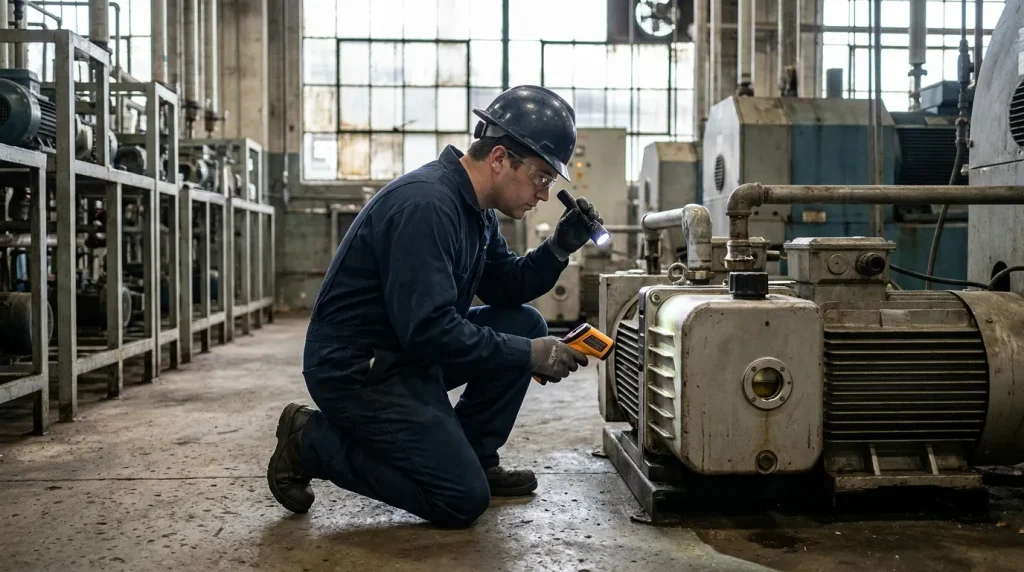
The daily and weekly tasks recommended for optimal performance include visual inspections, oil monitoring, temperature checks, and acoustic assessments. Common recommendations across many pump manufacturer guides specify daily vacuum pump maintenance tasks including conducting visual inspections for leaks or damage, checking oil levels and conditions, monitoring operating temperatures, and listening for unusual noises.
Potential daily tasks:
- Check oil level and color through sight glass (dark or hazy oil indicates contamination)
- Inspect pump housing and connections for visible leaks
- Monitor operating temperature with infrared thermometer
- Listen for unusual bearing noise or vibration changes
Potential weekly tasks:
- Record vacuum pressure readings and compare to baseline
- Inspect inlet filters for debris accumulation
- Check belt tension on belt-driven units
- Verify all gauge readings fall within normal operating ranges
In moisture-heavy drying applications, purge the pump with air for around 5 to 10 minutes before shutdown to protect internal components from condensation damage.
How Should You Inspect Vacuum Seals and Gaskets?
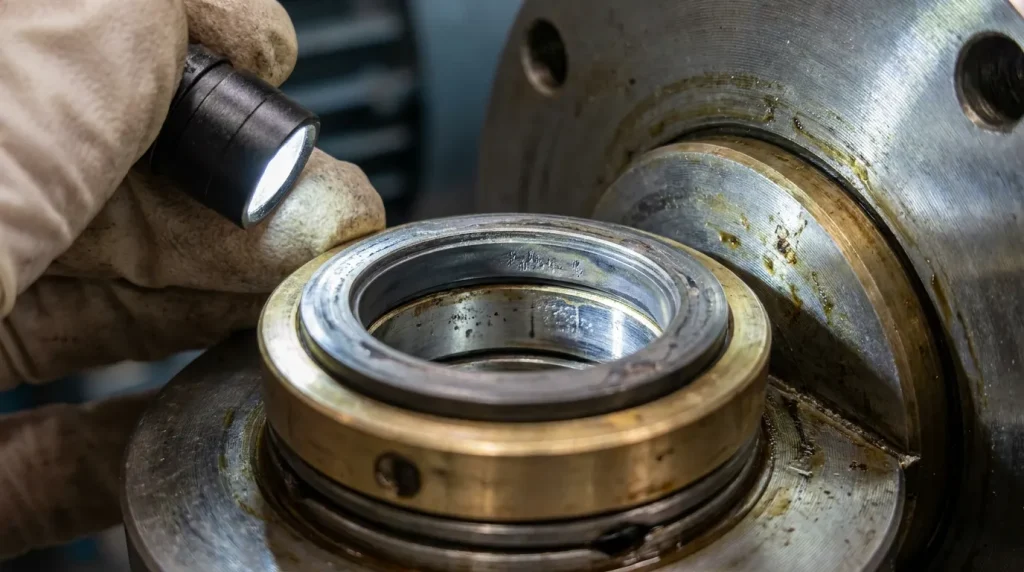
You should inspect vacuum seals and gaskets by examining them for visible degradation, measuring leak rates, and checking for proper compression. Seals deteriorate from chemical exposure, heat cycling, and mechanical wear over time.
Inspection procedure:
- Visually examine shaft seals for scoring, cracking, or extrusion
- Check flange gaskets for compression set or hardening
- Use leak detection fluid or helium leak testing to identify micro-leaks
- Measure ultimate vacuum; declining performance often indicates seal wear
For mechanical seals, clearances exceeding ranges specified by the manufacturer indicate replacement is needed. Replace elastomer seals whenever the pump is opened for service, as reinstallation often compromises seal integrity.
Which Lubrication Practices Are Essential for Vacuum Dryer Pumps?
The lubrication practices essential for vacuum dryer pumps include using manufacturer-specified oils, maintaining correct oil levels, and following appropriate change intervals based on operating conditions. Oil-sealed rotary vane pumps require particular attention to lubricant quality.
Essential practices:
- Use only oils meeting compatibility with process materials
- Check oil level daily; maintain between minimum and maximum sight glass marks
- Change standard mineral oil around every 2,000 to 3,000 operating hours
- Consider synthetic food-grade oils that extend intervals upwards of 6,000 hours in suitable applications
Oil contamination can accelerate wear faster than any other factor in oil-sealed pumps. When oil appears milky (water contamination) or dark (thermal degradation), change it immediately regardless of hours logged.
How Can You Identify Signs of Wear or Failure in Vacuum Dryer Pumps?
You can identify signs of wear or failure in vacuum dryer pumps by monitoring for external leaks, unusual noises, vibration changes, and declining vacuum levels. The following subsections cover common warning signs and when to replace or repair components.
What Are the Common Warning Signs of Pump Malfunction?
Some common warning signs of pump malfunction include abnormal sounds, visible leaks, elevated operating temperatures, and decreased vacuum performance. Bearing failures account for around 40% to 50% of all industrial pump breakdowns, according to an El-Watch article on failure modes in pumps, making grinding or rumbling noises a critical early indicator.
Key warning signs to monitor:
- Unusual noises such as grinding, squealing, or knocking
- Visible oil or seal fluid leaks around shaft seals and gaskets
- Elevated motor or pump body temperatures exceeding baseline readings
- Declining ultimate vacuum pressure or longer evacuation times
- Increased vibration beyond acceptable zone boundaries per ISO 10816-3, such as 2.8 mm/sec (0.11 in/sec) RMS
- Dark, hazy, or turbid oil indicating contamination or oxidation
The highest-ranking failure modes for vacuum dryers and dryer pumps are usually seal failure, oil contamination and degradation, bearing failure, loss of vacuum capacity, and overheating. Catching these signs early prevents cascading damage to rotors, vanes, and seals.
When Should Components Be Replaced or Repaired?
Components should be replaced or repaired when wear measurements exceed manufacturer tolerances or when performance metrics fall below acceptable thresholds. Refurbishment standards require that excessive wear on core assemblies be addressed through plating or component replacement to restore original manufacturer tolerances.
Component replacement may be recommended under these conditions and should always refer back to manufacturer guidelines:
- Bearing clearances exceed around 0.20 mm (0.008 in) beyond specification
- Seal faces show scoring deeper than around 0.05 mm (0.002 in)
- Vanes measure below minimum thickness thresholds
- Oil consumption increases more than roughly 25% from baseline
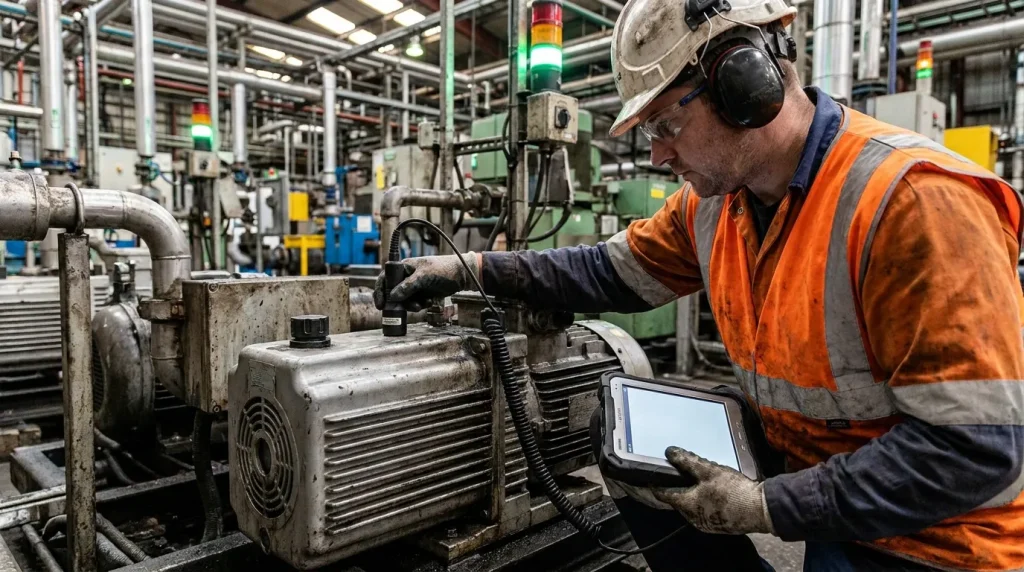
IoT-based condition monitoring offers significant advantages for timing interventions. A case study on a chemical manufacturing plant using rotary vane and dry screw pumps found that IoT-based monitoring of vibration and oil temperature detected bearing wear three weeks before failure, preventing 18 hours of production loss and saving approximately $14,000 (₹12 lakh) according to EcoProcess. For operations without continuous monitoring, a minimum of quarterly inspections with detailed measurements are imperative.
With early detection methods established, the next section covers inspection techniques that ensure reliable vacuum dryer pump operation.
What Inspection Techniques Ensure Reliable Vacuum Dryer Pump Operation?
Inspection techniques that ensure reliable vacuum dryer pump operation include visual assessments, hands-on component checks, and systematic performance tracking. The following sections cover physical inspection methods and data-driven approaches to monitoring pump health.
How Can Visual and Hands-On Inspections Be Effectively Conducted?
Visual and hands-on inspections can be effectively conducted by following a systematic checklist that addresses both external conditions and internal component integrity. Pre-commissioning procedures for industrial vacuum systems include technical operations to ensure system integrity and removal of debris and contaminants from pipelines before startup.
Effective visual and hands-on inspection steps include:
- Examining external surfaces for oil weeping, corrosion, or physical damage
- Checking coupling alignment using dial indicators or laser alignment tools
- Inspecting inlet and exhaust ports for blockages or buildup
- Verifying seal integrity by checking for moisture or process residue at shaft seals
- Listening for abnormal sounds such as knocking, grinding, or cavitation noise
- Feeling bearing housings for excessive heat or vibration during operation
For dry screw vacuum pumps, alignment error must stay between designated tolerances, with a commonly specified range by some manufacturers being around 0.05 mm and 0.10 mm (0.002 in. and 0.004 in.) to prevent vibration and ensure proper operation, though actual tolerances may vary slightly from manufacturer to manufacturer. Misalignment beyond specified tolerances accelerates bearing wear and seal degradation. Hands-on inspections catch early-stage problems that instruments alone may miss, particularly subtle vibration changes or seal weepage.
What Role Do Performance Metrics and Records Play in Inspections?
Performance metrics and records play a critical role in inspections by establishing baselines for comparison and revealing gradual degradation trends. Tracking parameters such as ultimate pressure, pumping speed, motor current draw, and operating temperature over time allows maintenance teams to identify deviations before they become failures.
Key performance metrics to monitor include:
- Ultimate pressure readings compared to manufacturer specifications
- Vibration levels monitored using ISO 10816-3/ISO 20816 guidelines, with typical acceptable vibration levels for many industrial rotating machines below roughly 2.8 mm/s RMS, subject to the pump manufacturer’s limits and machine classification
- Oil analysis results documenting viscosity, contamination, and oxidation
- Motor amperage trends indicating increased mechanical resistance
- Temperature logs for bearing housings and discharge areas
Detailed maintenance records enable predictive scheduling rather than reactive repairs. When a vacuum dryer pump shows a decline in ultimate pressure or a steady rise in vibration amplitude, these documented trends justify proactive intervention. This data-driven approach enables plant managers to intervene proactively rather than reactively, helping prevent costly downtime and unforeseen failures.
With inspection fundamentals established, adherence to industry standards and safety guidelines ensures these practices meet regulatory requirements.
What Are the Industry Standards and Safety Guidelines for Vacuum Dryer Pump Maintenance?
Industry standards and safety guidelines for vacuum dryer pump maintenance include ISO performance standards such as ISO 20816 guidance for vibration monitoring, documented reliability practices consistent with ISO 14224 and ISO 55001, hazardous-area requirements where applicable (ATEX/IECEx when vacuum dryers operate in potentially explosive environments), and regional pressure equipment regulations. These frameworks govern how maintenance teams approach inspections, documentation, and procedural compliance.
Which Compliance Procedures Help Maintain Safety and Efficiency?
The compliance procedures that help maintain safety and efficiency include formal risk assessments, documented maintenance schedules, and adherence to explosive atmosphere regulations. In the EU, the ATEX Directive 2014/34/EU sets essential safety requirements for vacuum pumps intended for use in potentially explosive atmospheres. Facilities must implement lockout/tagout procedures before maintenance, verify proper grounding, and maintain written records of all inspections.
Key compliance procedures include:
- Conducting formal risk assessments before commissioning or maintenance
- Following ATEX/IECEx directives when pumps operate near flammable solvents or dusts
- Documenting all maintenance activities with dates, findings, and corrective actions
- Training personnel on hazard recognition and emergency shutdown procedures
- Verifying pressure relief devices function within design parameters
Regular audits of maintenance logs help identify gaps in compliance before they become safety incidents or regulatory violations.
How Do Industry Certifications Impact Maintenance Protocols?
Industry certifications impact maintenance protocols by establishing minimum inspection frequencies, acceptable performance tolerances, and documentation requirements. Vacuum pump products bearing the CE mark can enter the EU single market legally, signifying compliance with European Union safety requirements. This certification requires manufacturers to complete formal risk assessments and conformity evaluations under the Machinery Directive 2006/42/EC.
ISO 21360-1:2020 provides standardized methods for measuring vacuum pump performance data, giving maintenance teams consistent benchmarks for evaluating pump condition. Vacuum dryers with pressurized components operating in the EU or EEA area under PED (Pressure Equipment Directive) requirements must follow prescribed inspection intervals based on pressure class and service conditions.
Certifications that may influence maintenance protocols:
| Certification | Region | Impact on Maintenance |
| CE Marking | EU | Requires documented conformity assessment and periodic verification |
| ATEX | EU | Mandates explosion-proof procedures in hazardous atmospheres |
| UKCA | İngiltere | Parallels CE requirements for post-Brexit compliance |
| ISO 21360-1 | Global | Standardizes performance measurement methods |
How Should You Approach Vacuum Dryer Pump Maintenance When Redeploying or Acquiring Used Equipment?
You should approach vacuum dryer pump maintenance when redeploying or acquiring used equipment by conducting thorough pre-commissioning inspections that verify mechanical integrity, validate performance metrics, and confirm compliance documentation. The following section covers sourcing support for quality used vacuum dryer pumps and other industrial equipment.
Can International Process Plants Assist with Vacuum Dryer Pump Inspection or Sourcing?
Yes, International Process Plants can assist with vacuum dryer pump sourcing through our global network of warehouses in Eastover, South Carolina (US), Germany, and the United Kingdom. With over 46 years of experience and more than 15,000 pieces of equipment currently available, we specialize in new surplus and quality used process equipment for chemical and pharmaceutical applications.
Our team supports buyers with equipment selection, specification verification, and technical documentation. We understand that redeploying used pumps requires confidence in both mechanical condition and regulatory compliance, which is why we maintain detailed equipment records and can coordinate inspections before shipment.
What Are the Key Takeaways About Vacuum Dryer Pump Maintenance: Best Practices and Inspection Tips We Covered?
The key takeaways about vacuum dryer pump maintenance center on three principles: consistent preventive care, systematic inspection protocols, and proper documentation.
Actionable conclusions include:
- Perform frequent visual checks and oil level monitoring to catch problems early
- Follow manufacturer-recommended maintenance intervals over a specified numbers of operating hours for minor tasks
- Replace seals and bearings proactively, since bearing failures can cause around 40% to 50% of pump breakdowns, according to the El-Watch Failure Modes in Pumps guide
- Maintain alignment within specified tolerances to prevent vibration damage
- Document all maintenance activities to establish performance baselines
- Verify compliance certifications before commissioning any used equipment
For buyers considering used vacuum pumps, International Process Plants offers the equipment selection and technical support to help you find the right solution for your vacuum drying application.

 TR
TR  EN
EN  ES
ES  FR
FR  PL
PL  DE
DE  AR
AR  UR
UR  HI
HI  NL
NL  IT
IT  UK
UK  RU
RU  JA
JA  PT
PT  ZH
ZH