 İçeriğe geç
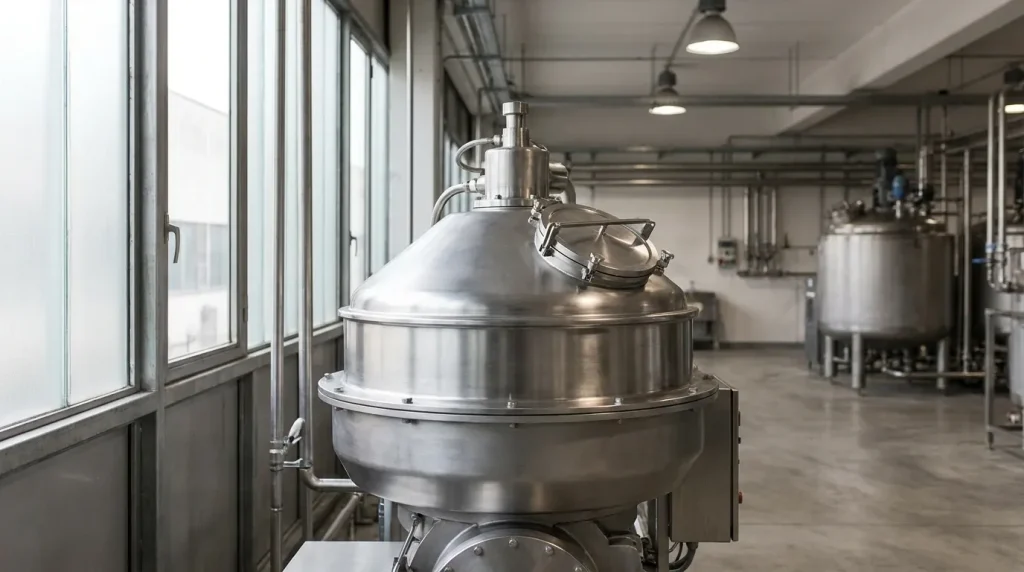
Centrifuge materials of construction are the specific alloys and metals used to fabricate centrifuge bowls, rotating components, and wetted components that contact process fluids during separation operations.
This guide covers material importance and selection criteria, individual alloy properties and performance characteristics, comparative analysis across material types, and lifecycle considerations including used equipment sourcing.
Material selection influences centrifuge lifespan, process safety, and total operating costs. We examine how corrosion resistance metrics like the Pitting Resistance Equivalent Number (PREN) quantify material performance, why ISO 21457:2010 establishes evaluation frameworks, and how operating conditions including temperature, chloride concentration, and acid exposure drive specification decisions.
316 stainless steel delivers proven corrosion resistance for general chemical and pharmaceutical applications at baseline cost, with documented corrosion rates around 0.1 mm/year (0.004 in/year) in organic acids. We cover its 16–18.5% chromium and 2–3% molybdenum composition, mechanical properties including 30,000 psi (205 MPa) yield strength, and specific limitations in chloride environments where stress corrosion cracking becomes a concern.
Hastelloy grades, particularly C-276 and B-3, provide exceptional resistance in aggressive acid environments where stainless steel would corrode faster. We detail performance data showing corrosion rates between 0.1 and 0.5 mm/year in oxidizing media, explain why costs running 6 to 10 times higher than 316 stainless become justified through extended service intervals, and identify applications requiring nickel alloy construction.
Duplex stainless steels bridge the gap between standard austenitic grades and premium nickel alloys. We examine how the 50/50 austenite-ferrite microstructure delivers yield strength roughly twice that of 316L while resisting chloride stress corrosion cracking, when to specify Duplex 2205 or Super Duplex 2507, and quality considerations including casting porosity that can compromise structural integrity.
Beyond material properties, we cover maintenance requirements, total cost of ownership factors, and how access to quality used and refurbished centrifuges makes premium alloys financially accessible for operations that could not justify new equipment pricing.
Why Are Centrifuge Materials of Construction Important for Industrial Applications?
Centrifuge materials of construction are important because they determine equipment lifespan, process safety, and total operating costs across demanding chemical, pharmaceutical, and wastewater applications. The following sections examine how corrosion resistance, chemical compatibility, and operating conditions shape material selection decisions.
What Roles Do Corrosion Resistance and Chemical Compatibility Play in Material Selection?
Corrosion resistance and chemical compatibility play decisive roles in material selection because they prevent premature equipment failure and process contamination. ISO 21457:2010 establishes the framework for evaluating corrosion mechanisms when selecting materials for petroleum, petrochemical, and natural gas equipment.
The Pitting Resistance Equivalent Number (PREN) quantifies a material’s resistance to localized corrosion. A minimum PREN value of approximately 32 is commonly used as a guideline for improved resistance to seawater pitting in chloride-containing environments. PREN is calculated using the formula PREN = %Cr + 3.3×(%Mo) + 16×(%N), where Cr, Mo, and N represent the alloy composition in weight percent. This metric helps engineers compare alloys objectively before specifying centrifuge components.
For extreme acid processes, specialized alloys become essential. Hastelloy B-3 (UNS N10675), a nickel-molybdenum alloy, delivers extremely high resistance to pure hydrochloric, hydrobromic, and sulfuric acids while maintaining uniform corrosion resistance.
How Do Operating Conditions Influence the Choice of Construction Materials?
Operating conditions influence the choice of construction materials by defining the thermal, mechanical, and chemical stresses equipment must withstand continuously. Temperature, pressure, rotational speed, and feed composition all factor into material specification.
Key operating parameters that drive material selection include:
- Process temperature range and thermal cycling frequency
- Operating pressure (both positive and vacuum conditions)
- G-force exposure during separation cycles
- Abrasive solids content in the feed stream
- pH extremes and oxidizing versus reducing environments
- Chloride concentration, which accelerates stress corrosion cracking in austenitic grades
According to Mordor Intelligence, the industrial centrifuges market was valued at USD 9.19 billion in 2026 and is projected to reach USD 12.59 billion by 2031. This growth reflects expanding applications in pharmaceuticals, wastewater treatment, and food processing, where operating conditions vary dramatically and material selection impacts reliability.
With these foundational factors established, the next sections examine how specific alloys, including 316 stainless steel, Hastelloy grades, and duplex stainless steels, perform under real-world industrial conditions.
What Are the Properties and Benefits of 316 Stainless Steel for Centrifuge Construction?
The properties and benefits of 316 stainless steel for centrifuge construction include excellent corrosion resistance, strong mechanical performance, and broad chemical compatibility. The following sections cover how 316 stainless steel resists corrosion across industrial environments and where it is most commonly applied.
How Does 316 Stainless Steel Resist Corrosion in Different Industrial Environments?
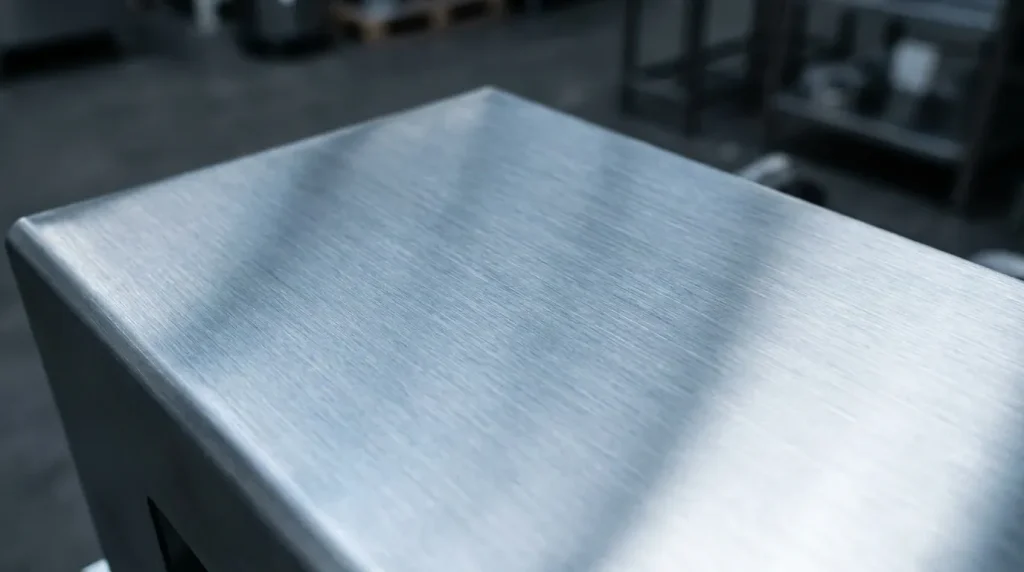
316 stainless steel resists corrosion in different industrial environments through its specific alloy composition. Grade 316 contains iron as the base metal, 16–18.5% chromium, 10–14% nickel, and 2–3% molybdenum, with very small amounts of carbon and other elements. The molybdenum content creates a passive oxide layer that protects against pitting and crevice corrosion in chloride-containing environments.
In boiling 80% acetic acid, Type 316 exhibits a corrosion rate of approximately 0.1 mm/year (0.004 in/year), compared to nearly 1 mm/year (0.04 in/year) for Type 304, according to testing data from Outokumpu. This tenfold improvement makes 316 suitable for food processing, pharmaceutical manufacturing, and chemical applications involving organic acids.
However, 316 stainless steel has limitations. Chloride stress corrosion cracking can occur in austenitic stainless steel flange, particularly during start-up and shutdown periods when temperature fluctuations concentrate chlorides. For aggressive chloride environments, duplex stainless steels or Hastelloy C-276 provide superior resistance.
In Which Applications Is 316 Stainless Steel Most Commonly Used for Centrifuges?
316 stainless steel is most commonly used for centrifuges in applications requiring moderate corrosion resistance at reasonable cost. These applications include:
- Pharmaceutical separation and purification processes
- Food and beverage processing, including dairy and juice clarification
- Wastewater treatment and sludge dewatering
- Fine chemical manufacturing with organic solvents
- Biotechnology and fermentation product recovery
The material delivers a minimum yield strength of 30,000 psi (205 MPa) and ultimate tensile strength of 75,000 psi (515 MPa) in standard annealed condition. These mechanical properties support the high rotational stresses centrifuges experience during operation.
For most general-purpose centrifuge duties, 316 stainless steel offers a strong balance of performance and economy. When process fluids involve concentrated mineral acids, high-temperature chlorides, or highly oxidizing conditions, upgrading to Hastelloy or duplex grades becomes necessary.
What Are the Features and Advantages of Hastelloy Alloys in Centrifuge Manufacturing?
The features and advantages of Hastelloy alloys in centrifuge manufacturing center on exceptional corrosion resistance in aggressive chemical environments where stainless steel would be insufficient. The following subsections examine specific grade performance and selection criteria.
How Do Specific Hastelloy Grades Perform Against Corrosive Agents?
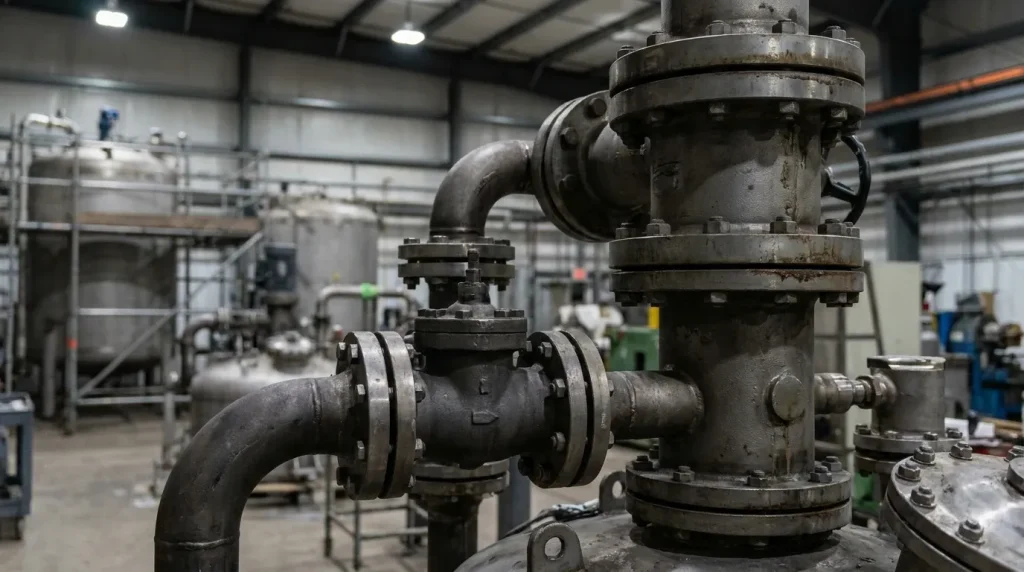
Specific Hastelloy grades perform against corrosive agents with measurably lower material degradation rates than austenitic stainless steels. Hastelloy C-276 exhibits corrosion rates between 0.1 and 0.5 mm/year (0.004 to 0.02 in/year) in oxidizing aqueous media, according to Haynes International technical data. Hastelloy B-3, optimized to prevent deleterious intermetallic phase formation during processing, demonstrates significantly lower corrosion rates in hot 70% sulfuric acid at 100°C (212°F) compared to other nickel alloys. These performance characteristics make Hastelloy grades essential for centrifuges processing:
- Concentrated mineral acids
- Mixed acid streams with oxidizing and reducing components
- Chloride-containing solutions at elevated temperatures
- Hydrochloric, hydrobromic, and sulfuric acid environments
Why Might You Select Hastelloy Over Stainless Steel for Certain Centrifuge Duties?
You might select Hastelloy over stainless steel for certain centrifuges when process chemistry creates corrosion rates that would degrade austenitic alloys quickly. TType 316 stainless steel can corrode at rates of approximately 236 mils per year (5.99 mm/year) in certain boiling sulfuric acid solutions, depending on acid concentration and operating conditions. At this corrosion rate, wall loss would occur rapidly, making the alloy unsuitable for prolonged service in those environments. The higher initial cost of Hastelloy, estimated at around 6 to 10 times that of 316 stainless steel, becomes justified when replacement frequency, unplanned downtime, and contamination risks are factored into total cost calculations. For pharmaceutical separations involving halogenated solvents or chemical processing with mixed acid waste streams, Hastelloy construction often represents a stronger, more viable long-term material choice.
With Hastelloy’s performance characteristics established, understanding how duplex stainless steels bridge the gap between standard austenitic grades and premium nickel alloys provides additional selection options.
What Distinguishes Duplex Stainless Steel as a Centrifuge Material?
Duplex stainless steel distinguishes itself through a unique two-phase microstructure that delivers superior strength and chloride resistance compared to standard austenitic grades. The subsections below cover its mechanical and corrosion properties, and when to specify duplex over 316 stainless steel or Hastelloy.
What Are the Key Mechanical and Corrosion Properties of Duplex Stainless Steels?
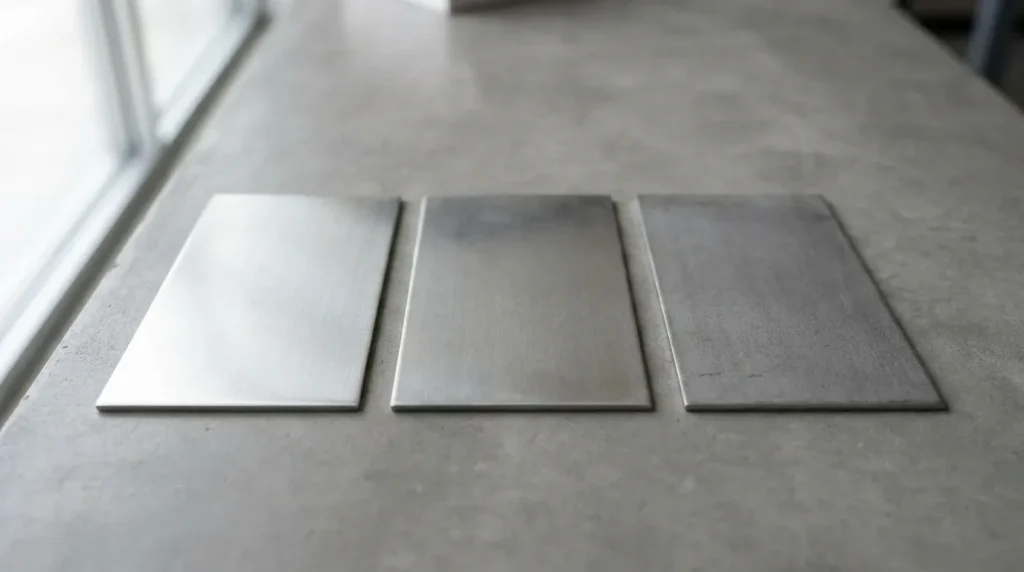
The key mechanical and corrosion properties of duplex stainless steels stem from their balanced ferritic-austenitic microstructure. Duplex 2205 achieves a yield strength roughly twice that of 316L according to Atlantic Stainless, typically exceeding 65,000 psi (450 MPa) compared to 30,000 psi (205 MPa) for standard 316. This strength advantage allows thinner wall sections in centrifuge bowls and rotational components, reducing rotating mass without sacrificing structural integrity.
Corrosion resistance benefits from higher chromium and molybdenum content. Duplex grades achieve Pitting Resistance Equivalent Numbers (PREN) above 32, the threshold for seawater service. Their ferritic phase provides inherent resistance to chloride-induced stress corrosion cracking, a failure mode that plagues austenitic 316 in warm chloride environments.
Super Duplex 2507 raises performance further, with minimum tensile strength of 116 ksi (800 MPa) and yield strength of 91 ksi (627 MPa).
When Is Duplex Preferred Over 316 Stainless Steel and Hastelloy in Centrifuge Design?
Duplex is preferred over 316 stainless steel and Hastelloy in centrifuge design when applications require high mechanical strength combined with moderate-to-good chloride resistance at controlled cost. Chloride-rich environments such as brine processing, desalination, and marine chemical operations favor duplex because austenitic 316 remains vulnerable to stress corrosion cracking during temperature cycling.
According to Atlantic Stainless, Duplex 2205 consists of approximately 50/50 austenite and ferrite phases, providing yield strength roughly twice that of 316L while maintaining comparable fabrication characteristics.
Hastelloy remains the better choice for highly aggressive acids, particularly hydrochloric and concentrated sulfuric environments, where even duplex grades can corrode unacceptably. However, Hastelloy costs 6 to 10 times more than 316 stainless steel, making duplex the cost-effective middle ground for chloride service that does not require extreme acid resistance.
With duplex properties established, the next section compares all three material families directly to guide final selection.
How Do 316 Stainless Steel, Hastelloy, and Duplex Compare for Centrifuge Applications?
316 stainless steel, Hastelloy, and duplex compare across corrosion resistance, mechanical strength, and cost. The sections below examine each material’s strengths and limitations, then outline the criteria that guide selection for specific centrifuge applications.
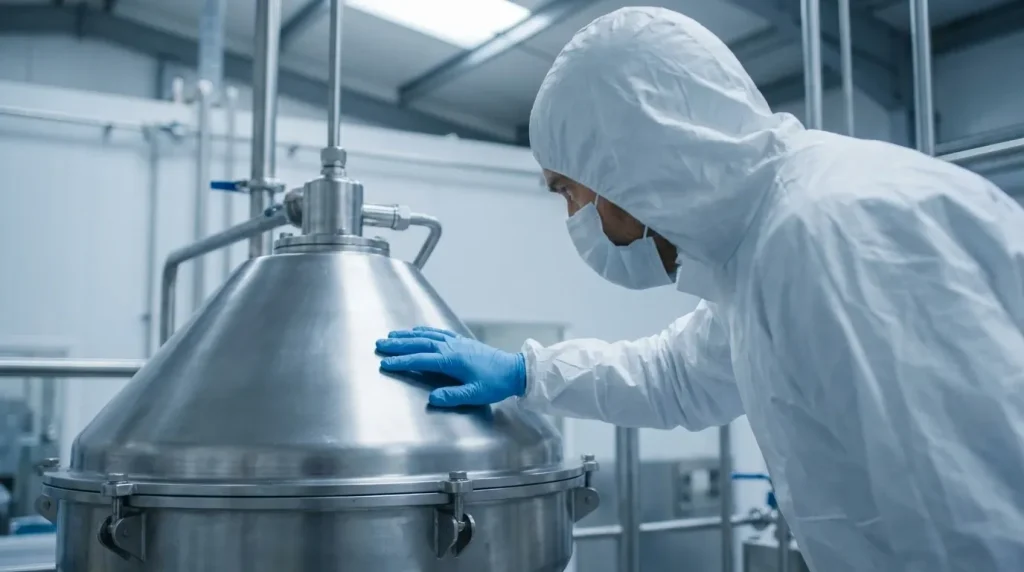
What Are the Comparative Strengths and Limitations of Each Material Type?
The comparative strengths and limitations of each material type span corrosion performance, mechanical properties, and economics.
| Malzeme | Yield Strength | Corrosion Resistance | Relative Cost |
| 316 Stainless Steel | 30,000 psi (205 MPa) | Moderate; vulnerable to chloride SCC | 1× (baseline) |
| Hastelloy C-276 | Higher than 316SS | Excellent in acids, chlorides, oxidizers | 6–10× baseline |
| Duplex 2205 | ~60,000 psi (414 MPa) | Superior chloride SCC resistance | 2–3× baseline |
Hastelloy C-276 costs roughly 6 to 10 times more than 316 stainless steel, with initial material costs for 316 at approximately $3–5 per pound ($6.60–11 per kg) compared to around $25–35 per pound ($55–77 per kg) for C-276, according to Steelco Metal. Duplex offers double the yield strength of 316L while resisting chloride stress corrosion cracking that can fail austenitic grades.
Which Selection Criteria Should Guide the Choice Between These Construction Materials?
The selection criteria that should guide the choice between these construction materials include:
- Process chemistry: Identify acids, chlorides, or oxidizers present in the slurry or liquid being separated
- Operating temperature: Match material limits to process conditions (316SS for moderate temperatures; Hastelloy for extreme environments up to 1500°F / 815°C)
- Mechanical loading: Evaluate rotational stresses and centrifuge thickness requirements against yield strength
- Budget constraints: Balance initial material cost against expected service life and maintenance frequency
- Compliance standards: Verify material certifications meet ASME Section VIII, PED, CE marking, UKCA, or other marking requirements for your jurisdiction
For mildly corrosive applications with budget constraints, 316 stainless steel delivers proven performance. Chloride-rich environments favor duplex grades. Aggressive acid service justifies Hastelloy’s premium cost through extended service intervals.
What Maintenance and Lifecycle Considerations Are Critical for Centrifuge Material Selection?
Maintenance and lifecycle considerations critical for centrifuge material selection include inspection frequency, repair complexity, corrosion monitoring requirements, and total cost of ownership over the equipment’s service life. The following sections examine how construction materials influence maintenance demands and long-term economics.
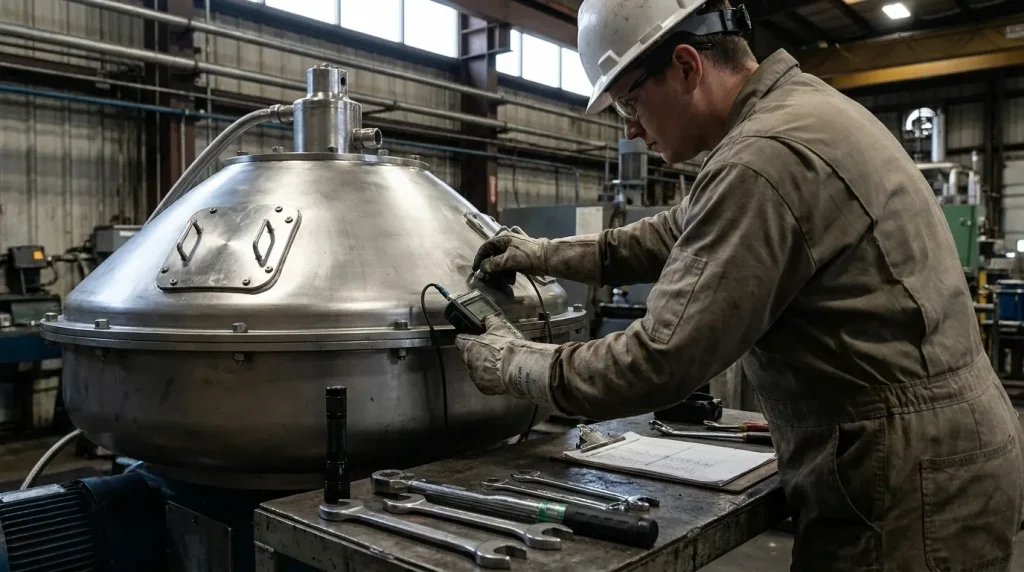
How Do Maintenance Requirements Differ Based on Construction Material?
All centrifuges require routine mechanical maintenance, including inspection of bearings, seals, rotating components, lubrication systems, and vibration performance. Material selection primarily influences corrosion-related inspection requirements, maintenance intervals, and repair procedures.
Type 316 stainless steel centrifuges generally require more frequent inspection in chloride-containing service because of their susceptibility to pitting, crevice corrosion, and chloride-induced stress corrosion cracking under certain operating conditions. Corrosion monitoring may include periodic visual examinations and ultrasonic thickness measurements where material loss is a concern, with inspection intervals established by the applicable design code, service conditions, and the owner’s integrity management program.
Hastelloy components typically require less corrosion-related inspection in aggressive chemical service because of their superior corrosion resistance, although repairs often require specialized welding procedures and qualified personnel. Duplex stainless steels generally provide greater resistance to chloride-induced corrosion than Type 316 while offering repair procedures that are typically less specialized than those required for nickel-based alloys.
What Impact Does Material Selection Have on Centrifuge Longevity and Total Cost of Ownership?
Material selection impacts centrifuge longevity and total cost of ownership by determining replacement cycles, unplanned downtime frequency, and maintenance budgeting requirements.
Key TCO factors by material include:
- 316 stainless steel: Lower acquisition cost, higher replacement frequency in aggressive environments
- Hastelloy: Higher initial investment, extended service life in corrosive applications
- Duplex: Moderate cost with improved lifespan in chloride-containing processes
Industry guidelines suggest budgeting around 10–15% of total maintenance costs for emergency contingencies. Integrated analysis combining historical corrosion data with predictive maintenance tools can significantly improve asset integrity management for critical centrifuge assets.
From a procurement standpoint, ensuring that you select materials that match actual process severity, rather than over-specifying or under-specifying, delivers the correct balance between capital expenditure and lifecycle costs.
With material performance and maintenance requirements established, sourcing quality used centrifuges offers another pathway to managing total cost of ownership.
How Does Access to Used and Refurbished Centrifuges Expand Material Options?
Access to used and refurbished centrifuges expands material options by making premium alloys like Hastelloy C-276 and Duplex 2205 financially accessible to operations that could not justify new equipment costs. The sections below cover evaluation questions for used equipment and performance standards for refurbished units.
How Can Refurbished Centrifuges Maintain Performance Standards Across Different Materials?
Refurbished centrifuges can maintain performance standards across different materials through systematic inspection protocols, dimensional verification, and surface reconditioning tailored to each alloy’s properties. The refurbishment process differs by material: 316L components undergo passivation to restore the chromium oxide layer, while Hastelloy parts require verification that no sensitization occurred from improper heat exposure.
Critical refurbishment steps include:
- Non-destructive examination (NDE) using dye penetrant or ultrasonic testing
- Dimensional checks against OEM specifications
- Surface finish restoration to original Ra values
- Replacement of wear components (bearings, seals, feed tubes)
- Hydrostatic or spin testing to verify structural integrity
A properly refurbished centrifuge, whether it is 316 stainless steel, Hastelloy, or Duplex construction, can offer significant cost savings. Good used equipment typically runs approximately 40% to 60% of new pricing, making corrosion-resistant alloys accessible for pilot plants, batch operations, or budget-constrained projects.
How Can International Process Plants Support Your Centrifuge Material Selection?
International Process Plants supports centrifuge material selection through specialized sourcing across 316 stainless steel, Hastelloy, and Duplex equipment. The following sections explain new alloy sourcing options and summarize key takeaways from this guide.
What New Alloy Systems and Sourcing Solutions Are Offered Through Gale Process Solutions (GPS)?
Gale Process Solutions (GPS), a subsidiary of International Process Plants, currently offers new alloy equipment and sourcing solutions for process equipment requiring specialized materials of construction. GPS focuses specifically on new alloy equipment, providing access to centrifuges and related components in materials including 316L stainless steel, Hastelloy C-276, and Duplex grades like 2205 and 2507.
GPS sourcing solutions address applications where:
- Chemical compatibility demands exceed standard stainless steel capabilities
- Operating environments involve chlorides, oxidizing acids, or reducing acids
- Design specifications require compliance with ASME Section VIII, PED, or CE marking
- Project timelines benefit from pre-engineered equipment availability
For procurement engineers evaluating total cost of ownership, GPS provides material certification documentation, mill test reports, and compliance verification for global jurisdictions. International Process Plants combines this new alloy capability with our inventory of 15,000+ pieces of quality used equipment, giving buyers flexibility between new surplus and good used options based on budget and application requirements.
What Are the Key Takeaways About Centrifuge Materials of Construction: 316 Stainless Steel, Hastelloy, and Duplex?
The key takeaways about centrifuge materials of construction are:
- 316 stainless steel delivers reliable corrosion resistance for general chemical and pharmaceutical applications at the lowest material cost, with corrosion rates around 0.1 mm/year in organic acids
- Hastelloy C-276 provides superior performance in severe environments involving sulfuric acid, chlorides, and oxidizing media, justifying costs 6-10 times higher than 316SS when corrosion rates in standard stainless would cause frequent failures
- Duplex 2205 offers twice the yield strength of 316L with better chloride stress corrosion cracking resistance, making it the practical choice when both mechanical strength and moderate chemical resistance matter
- PREN values above 32 indicate seawater-grade pitting resistance; use this calculation to compare alloys objectively
- Total cost of ownership depends on maintenance frequency, downtime costs, and replacement cycles, not just initial material price
Material selection should match specific process chemistry, operating temperatures, and pressure requirements. International Process Plants, with 46 years of equipment experience globally, can help identify centrifuges in the right material grade for your application, whether from our current quality used inventory or through GPS for new alloy systems.

 TR
TR  EN
EN  ES
ES  FR
FR  PL
PL  DE
DE  AR
AR  UR
UR  HI
HI  NL
NL  IT
IT  UK
UK  RU
RU  JA
JA  PT
PT  ZH
ZH