
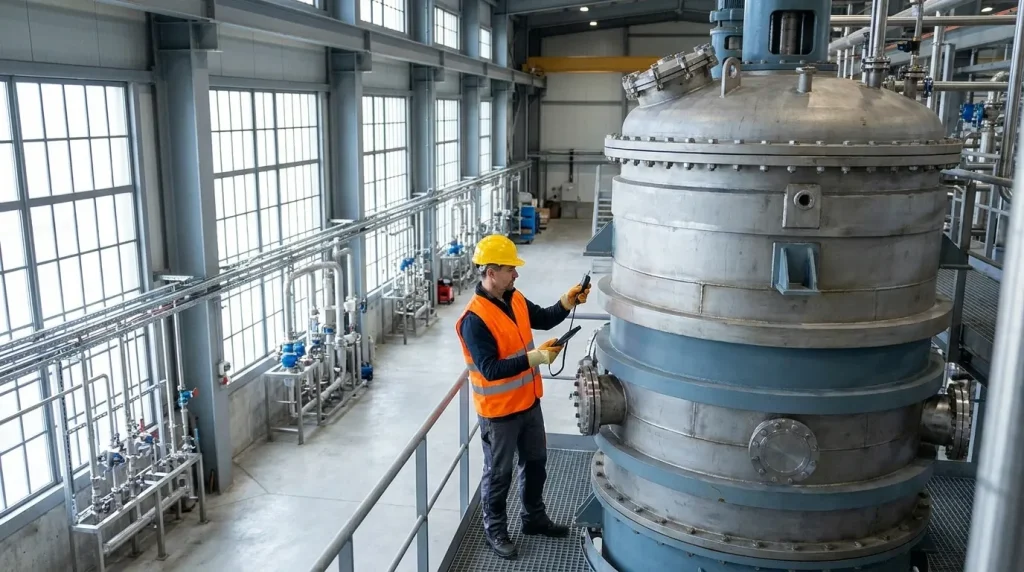
Tank pressure testing intervals and procedures are the scheduled examinations and standardized methods used to verify that pressure vessels maintain structural integrity throughout their service life. These programs detect material degradation, corrosion, and stress cracking before failures occur.
This guide covers regulatory frameworks and inspection scheduling, testing methods and execution procedures, material-specific requirements, documentation and compliance standards, and equipment sourcing strategies.
Regulatory frameworks establish the foundation for all testing programs. Standards including ASME Section VIII, EN 13445, API 510, and AS/NZS 3788 define test pressure calculations, maximum inspection intervals, and Risk-Based Inspection methodologies that replace fixed calendar schedules with risk-informed decisions.
Testing methods and execution procedures determine how facilities actually perform pressure verification. Hydrostatic testing at 1.3 times MAWP remains the most common approach, while pneumatic testing and acoustic emission monitoring serve specialized applications where water contamination or defect location mapping is required.
Material-specific requirements shape how testing protocols adapt to different vessel types. Glass-lined vessels demand gradual pressurization to protect brittle coatings, while alloys such as 316L stainless steel and Hastelloy C-276 require chloride-free test water to prevent stress corrosion cracking.
Documentation and compliance standards transform test results into defensible records for regulators and insurers. Complete documentation packages covering design calculations, material traceability, weld qualifications, and inspection histories enable extended intervals under RBI methodologies and support asset value during resale.
Equipment sourcing strategies connect testing compliance with procurement decisions. Vessels with traceable inspection histories and original manufacturer documentation integrate more efficiently into existing testing programs than equipment with unknown service backgrounds.
Why Are Pressure Testing Intervals Essential for Tank Safety and Compliance?
Pressure testing intervals are essential for tank safety and compliance because they detect material degradation before catastrophic failure occurs. The following subsections explain how regulations define these intervals and what risks emerge from improper scheduling.
How Do Regulations and Industry Standards Define Tank Pressure Testing Intervals?
Regulations and industry standards define tank pressure testing intervals through prescriptive schedules, test pressure calculations, and risk-based methodologies that vary by jurisdiction and equipment type.
Test Pressure Requirements:
- Hydrostatic test pressure: 1.3 × MAWP × LSR (Lowest Stress Ratio)
- Pneumatic test pressure: 1.1 × MAWP × LSR
According to API 510, pressure relief device inspection intervals shall not exceed 5 years for typical process services or 10 years for clean, non-corrosive services unless Risk-Based Inspection (RBI) evaluation justifies extension.
Regional Framework Comparison:
| Standard | Jurisdiction | External Inspection | Internal Inspection |
| API 510 | International | ≤5 years | ≤10 years or half remaining life |
| PSSR 2000 | Великобритания | Per written scheme | Per written scheme |
| AS/NZS 3788 | Australia/New Zealand | 2 years (vessels) | 4 years (vessels) |
Risk-Based Inspection, defined by API RP 580 and API RP 581, evaluates probability of failure and consequence of failure to replace calendar-based schedules with risk-informed decisions. This approach allows facilities to extend intervals when data supports lower risk profiles.

What Risks Arise from Extending or Shortening Focused Testing Intervals?
The risks arising from extending or shortening focused testing intervals include undetected degradation, unnecessary downtime, and regulatory non-compliance.
Risks of Extended Intervals:
- Corrosion progresses beyond safe operating limits
- Stress corrosion cracking remains undetected
- Wall thinning compromises pressure containment
- Regulatory violations trigger penalties or shutdowns
Risks of Shortened Intervals:
- Increased production downtime reduces throughput
- Unnecessary testing costs accumulate
- Repeated pressurization cycles add fatigue stress
- Resources divert from higher-risk equipment
The optimal approach balances safety margins against operational efficiency. RBI methodology provides the framework for this balance by quantifying actual equipment condition rather than relying solely on calendar-based assumptions. Facilities operating aggressive chemical processes benefit from shorter intervals, while clean services may safely extend testing schedules with proper documentation.
With interval fundamentals established, the next section covers the specific procedures for performing tank pressure tests.
What Are the Common Procedures for Performing Tank Pressure Tests?
The common procedures for performing tank pressure tests include preparation, method selection, test execution, and documentation. The following sections cover each stage from initial tank preparation through final compliance documentation.
What Steps Are Involved in Preparing a Tank for Pressure Testing?
The steps involved in preparing a tank for pressure testing include isolation, cleaning, inspection, and equipment setup. Proper preparation prevents test failures and ensures accurate results.
Key preparation steps include:
- Isolating the vessel from all process lines, utilities, and connected equipment
- Draining and cleaning internal surfaces to remove residues that could mask defects
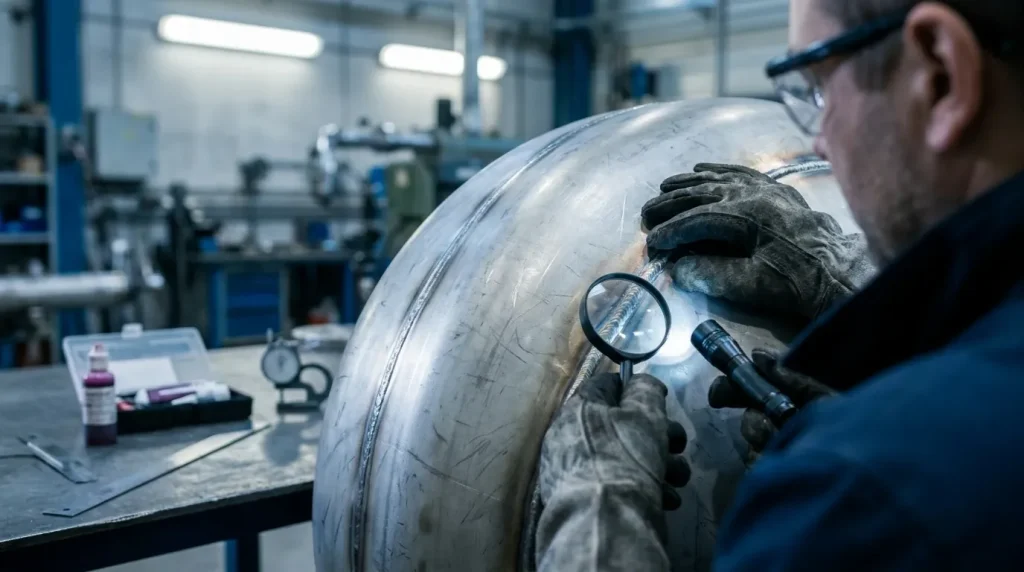
- Inspecting all welds, nozzles, and penetrations for visible damage before pressurization
- Verifying that all blinds, caps, and temporary closures are rated for test pressure
- Calibrating pressure gauges and ensuring redundant measurement devices are installed
- Confirming that relief devices are either isolated or set above test pressure
- Establishing clear exclusion zones around the test area
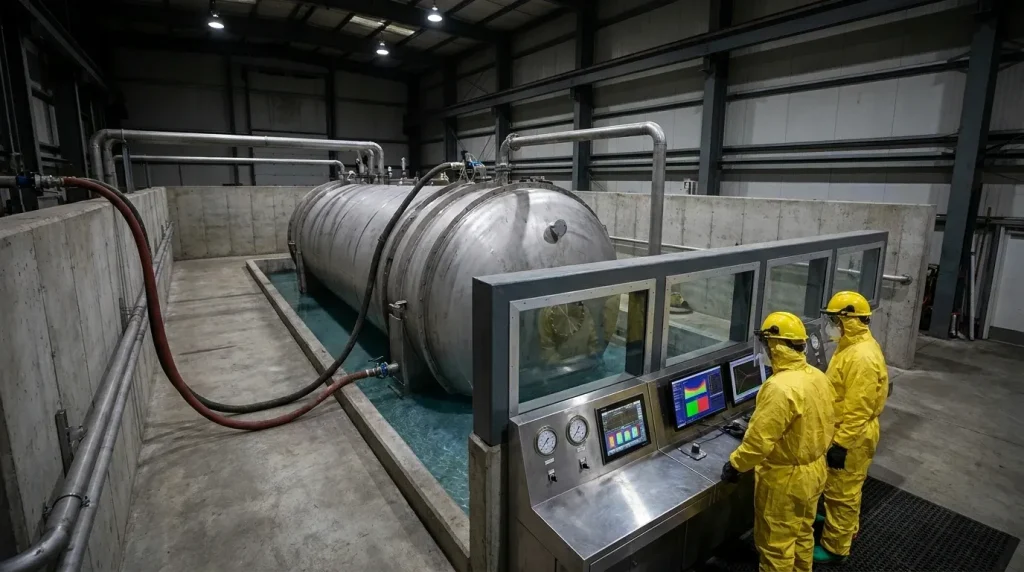
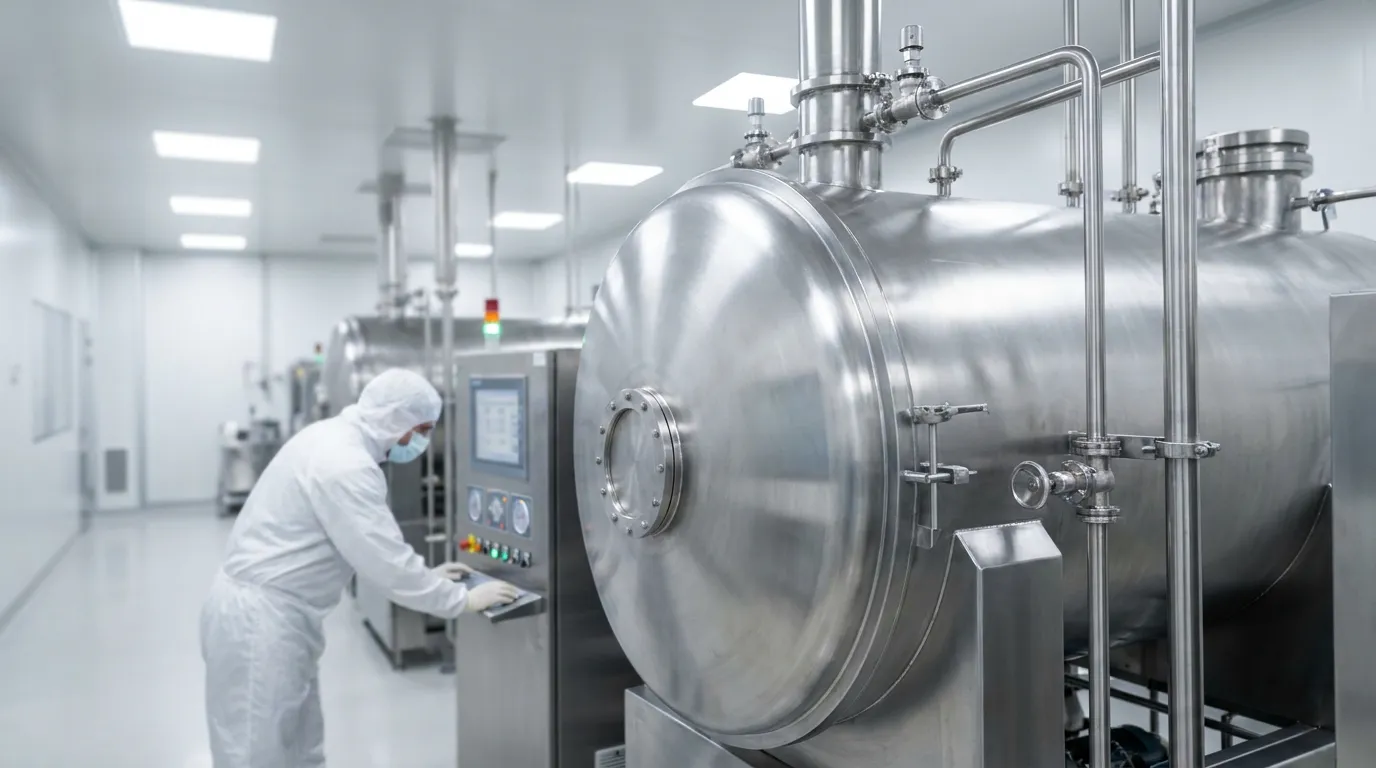
For hydrostatic testing, the tank must be completely filled with water or another test liquid, with all air vented from high points. Pneumatic test preparation requires additional safety measures because compressed gas stores significantly more energy than liquid at equivalent pressures.
Which Pressure Testing Methods Are Most Commonly Used for Different Tank Types?
The pressure testing methods most commonly used for different tank types are hydrostatic testing, pneumatic testing, and combined hydrostatic-pneumatic testing. Each method suits specific vessel configurations and operational constraints.
| Method | Test Medium | Typical Pressure Factor | Best Applications |
| Hydrostatic | Water or liquid | 1.3 × MAWP (ASME) or 1.43 × design (EN 13445) | Most pressure vessels, tanks that can support liquid weight |
| Pneumatic | Air or inert gas | 1.1 × MAWP (ASME) or 1.25 × design (EN 13445) | Vessels where water contamination is unacceptable |
| Hydrostatic with AE | Water plus acoustic sensors | 1.3 × MAWP | Vessels requiring defect location mapping |
В соответствии с Национальный совет инспекторов котлов и сосудов под давлением, acoustic emission (AE) is the only nondestructive examination method capable of assessing volumetric integrity during a vessel pressure test period, with sensors detecting high-frequency burst events from material deformation to map deficiency locations. This method proves especially valuable for aging vessels where internal inspection access is limited.
How Are Test Results Analyzed and Documented for Compliance?
Test results are analyzed and documented for compliance through pressure hold verification, visual leak inspection, and formal reporting to regulatory authorities. Complete documentation creates a defensible record for auditors and insurers.
Analysis involves comparing observed pressure decay against acceptable thresholds, typically requiring stable pressure for a minimum hold period (often 10 to 30 minutes depending on vessel size). Any pressure drop exceeding instrument tolerance indicates a leak requiring investigation. Visual inspection during pressurization identifies weeping at welds, gasket seepage, or structural distortion.
Documentation requirements include:
- Test date, duration, and personnel involved
- Test medium and actual pressure achieved (in both PSI and bar)
- Ambient and test medium temperatures (in both °F and °C)
- All gauge readings at specified intervals
- Any anomalies observed and corrective actions taken
- Certification signatures from qualified inspectors
Digital inspection management systems now enable field data capture on mobile devices with automatic synchronization to cloud platforms, creating auditable records that satisfy ASME, PED, and jurisdictional requirements simultaneously.
With test procedures and documentation complete, material-specific factors determine how these requirements vary for specialized vessel types.
How Do Tank Materials and Usage Affect Pressure Testing Requirements?
Tank materials and usage affect pressure testing requirements by determining test pressure limits, acceptable testing media, and inspection frequencies. Glass-lined vessels require low-pressure hydrostatic methods to protect brittle coatings, while high-alloy tanks tolerate standard pneumatic or hydrostatic protocols. The following subsections explain material-specific testing approaches and how operating conditions shape procedure selection.
Why Do Glass-Lined, Alloy, and Other Materials Need Unique Testing Approaches?
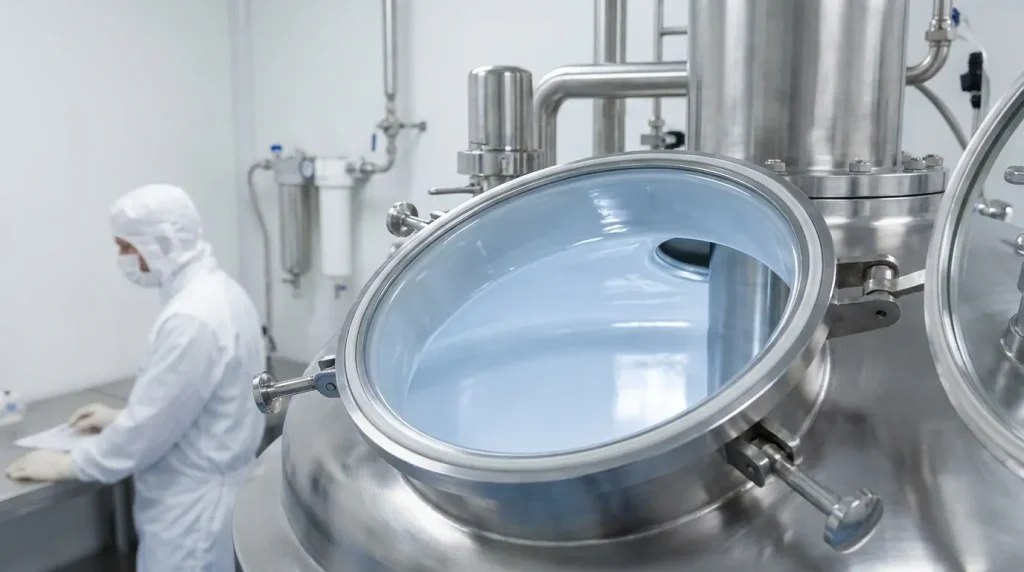
Glass-lined, alloy, and other materials need unique testing approaches because each material responds differently to pressure, thermal stress, and testing media. Glass linings are brittle and can crack under rapid pressurization or thermal shock, requiring gradual pressure application and temperature-controlled water. Alloys such as 316L stainless steel, 304 stainless steel, and Hastelloy C-276 tolerate higher test pressures but may require chloride-free water to prevent stress corrosion cracking.
Carbon steel vessels accept standard hydrostatic testing but need immediate drying to prevent surface corrosion. API 581 provides screening criteria for over 60 damage mechanisms, including chloride stress corrosion cracking, hydrogen-induced cracking, and microbiologically influenced corrosion, each tied to specific material vulnerabilities. Matching the test method to the material protects both the vessel integrity and the protective lining or coating.
How Do Operating Conditions Influence the Choice of Testing Procedures?
Operating conditions influence the choice of testing procedures by dictating which damage mechanisms are most likely and how frequently testing must occur. Vessels handling corrosive chemicals at elevated temperatures, such as 400°F (204°C), degrade faster than those in clean, ambient service. High-temperature mechanisms like creep, oxidation, and sulfidation accelerate wall thinning in ways that low-temperature vessels never experience.
Cyclic pressure service introduces fatigue concerns that steady-state operations avoid. According to IChemE Safety Centre guidance, scheduled testing and recertification for pressure vessels typically occurs at 12 to 60 month intervals depending on service severity, while storage tanks in mild conditions may extend to 10 to 12 years. Aggressive operating environments justify shorter intervals and more sensitive methods such as acoustic emission testing during hydrostatic tests.
With material and operating condition requirements established, the next section covers the regulatory and industry standards that formalize these testing obligations across global jurisdictions.
What Are the Regulatory and Industry Standards Governing Pressure Testing?
The regulatory and industry standards governing pressure testing include international frameworks such as ASME Section VIII, EN 13445, AS/NZS 3788, and the Pressure Equipment Directive (PED), alongside regional requirements like CE marking, UKCA marking, and API standards. The following subsections cover which standards apply by region and how documentation requirements affect ongoing compliance.
Which International or Regional Standards Apply to Tank Pressure Testing?
The international and regional standards that apply to tank pressure testing vary by jurisdiction, with several major frameworks governing global operations.
Key standards by region:
- ASME Section VIII (North America): Governs pressure vessel design, fabrication, and testing for vessels operating above 15 PSI (1.03 bar)
- EN 13445 (European Union): Requires hydrostatic testing at 1.43 times design pressure, or 1.25 times design pressure for pneumatic testing
- AS/NZS 3788 (Australia/New Zealand): Mandates inspection intervals based on Hazard Level classifications (A through E), with pressure vessels requiring external inspection every 2 years and internal inspection every 4 years
- Pressure Equipment Directive (PED): Applies to equipment above 0.5 bar (7.25 PSI) in EU markets, requiring CE marking
- Маркировка UKCA: Required for pressure equipment placed on the Great Britain market post-Brexit
- API 510/653: Industry standards for in-service inspection of pressure vessels and storage tanks
Facilities operating across multiple regions must verify compliance with each applicable standard. For procurement engineers sourcing equipment internationally, confirming that vessels carry appropriate certifications (CE, UKCA, ASME stamps, or CRN for Canada) before purchase prevents costly recertification delays.
How Do Documentation and Certification Impact Ongoing Compliance?
Documentation and certification impact ongoing compliance by establishing the legal basis for continued operation and defining inspection requirements throughout a vessel’s service life.
Proper documentation creates an auditable record that regulators and insurers require. Essential records include the original manufacturer’s data report, material test certificates, weld maps, and all subsequent inspection reports. Missing documentation can force operators to treat vessels as uncertified, potentially requiring full re-inspection or hydrostatic retesting before continued use.
Critical documentation requirements:
- Original design calculations and pressure test certificates
- Material traceability records and mill test reports
- Weld procedure specifications and welder qualifications
- Historical inspection reports with thickness measurements
- Repair and alteration records with authorized inspector sign-off
- Pressure relief device test certifications
Certification directly determines inspection intervals. A vessel with complete documentation and known service history may qualify for extended intervals under Risk-Based Inspection methodologies, while vessels with gaps in records typically require more frequent examination. Maintaining organized, accessible records throughout ownership reduces compliance burden and supports asset value during resale or redeployment.
With regulatory frameworks and documentation requirements established, the next section addresses how facilities can optimize the timing and execution of their pressure testing programs.
How Can Facilities Optimize the Timing and Execution of Pressure Tests?
Facilities optimize the timing and execution of pressure tests by implementing systematic scheduling practices, adopting risk-based inspection methodologies, and leveraging digital asset management tools. The following subsections cover scheduling best practices and digital efficiency improvements.
What Are the Best Practices for Scheduling and Tracking Tank Pressure Tests?
The best practices for scheduling and tracking tank pressure tests include establishing risk-based intervals, maintaining comprehensive documentation, and integrating inspection schedules with maintenance planning systems.
Effective scheduling practices include:
- Aligning test intervals with applicable standards (API 510, EN 13445, AS/NZS 3788, PSSR 2000)
- Calculating remaining useful life to determine inspection timing within regulatory maximums
- Coordinating pressure tests with planned maintenance shutdowns to minimize production impact
- Documenting all test results, findings, and corrective actions in centralized records
- Tracking damage mechanism history to adjust future interval calculations
- Assigning competent persons independent from operating functions to review examination schemes
Facilities that proactively track corrosion rates and thickness measurements can predict optimal test timing rather than defaulting to fixed calendar intervals. From an operational standpoint, synchronizing multiple vessel inspections during a single shutdown often reduces cumulative downtime compared to scheduling tests individually throughout the year.
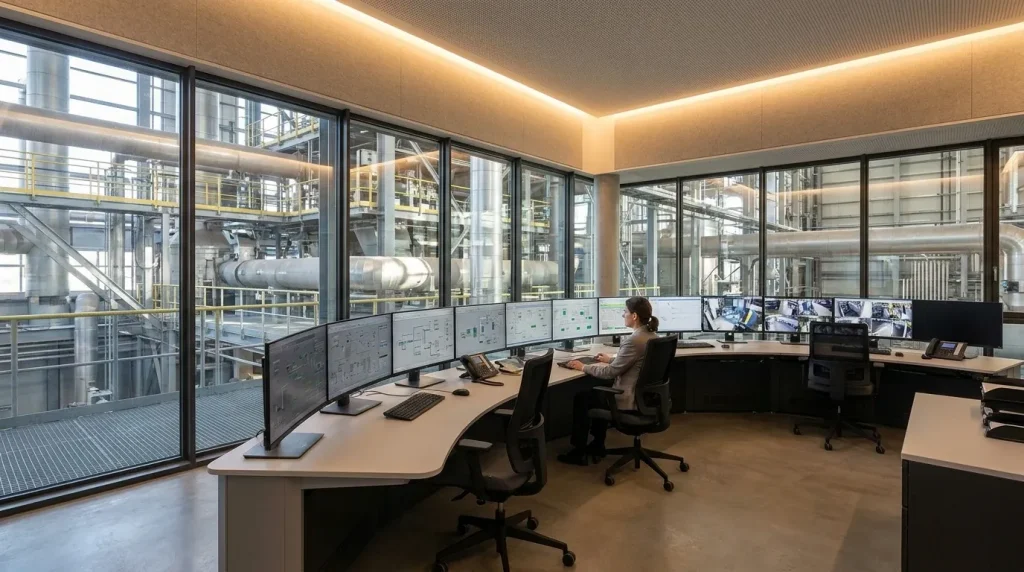
How Can Digital Tools and Asset Management Improve Testing Efficiency?
Digital tools and asset management systems improve testing efficiency by centralizing inspection data, automating scheduling alerts, and enabling predictive analysis across equipment fleets.
According to Grand View Research, the global inspection management software market was valued at USD 9.20 billion in 2024 and is projected to reach USD 18.86 billion by 2030, growing at a 13.2% CAGR. This growth reflects increasing adoption of mobile and cloud-based inspection platforms.
Key digital capabilities include:
- Mobile data capture allowing field inspectors to record findings in remote locations
- Cloud synchronization for centralized analysis across multiple facilities
- Integration with IoT sensors and manufacturing execution systems (MES) for automated data capture
- Predictive analytics identifying equipment approaching inspection thresholds
- Digital documentation trails supporting audit readiness and regulatory compliance
For facilities managing large vessel inventories, digital asset management transforms pressure testing from a reactive compliance exercise into a strategic maintenance function.
With testing optimization strategies established, partnering with knowledgeable equipment suppliers further strengthens long-term compliance programs.
How Does IPP Support Reliable Tank Pressure Testing and Asset Management?
International Process Plants supports reliable tank pressure testing and asset management by supplying new surplus and quality used pressure vessels with documented inspection histories. The following sections explain how sourcing from IPP streamlines compliance and summarize the key testing principles covered in this article.
Can the Sourcing of Used, New, or Refurbished Tanks from IPP Help Streamline Pressure Testing Compliance?
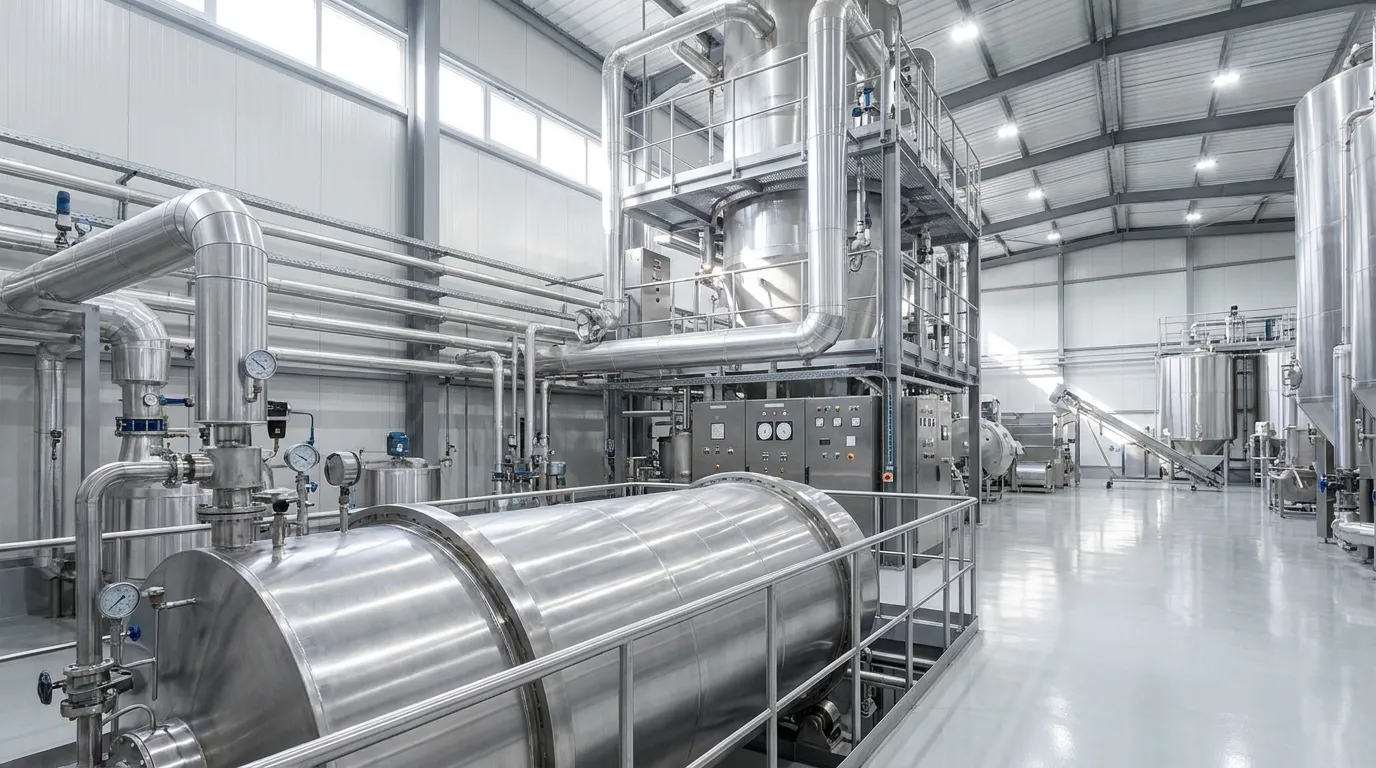
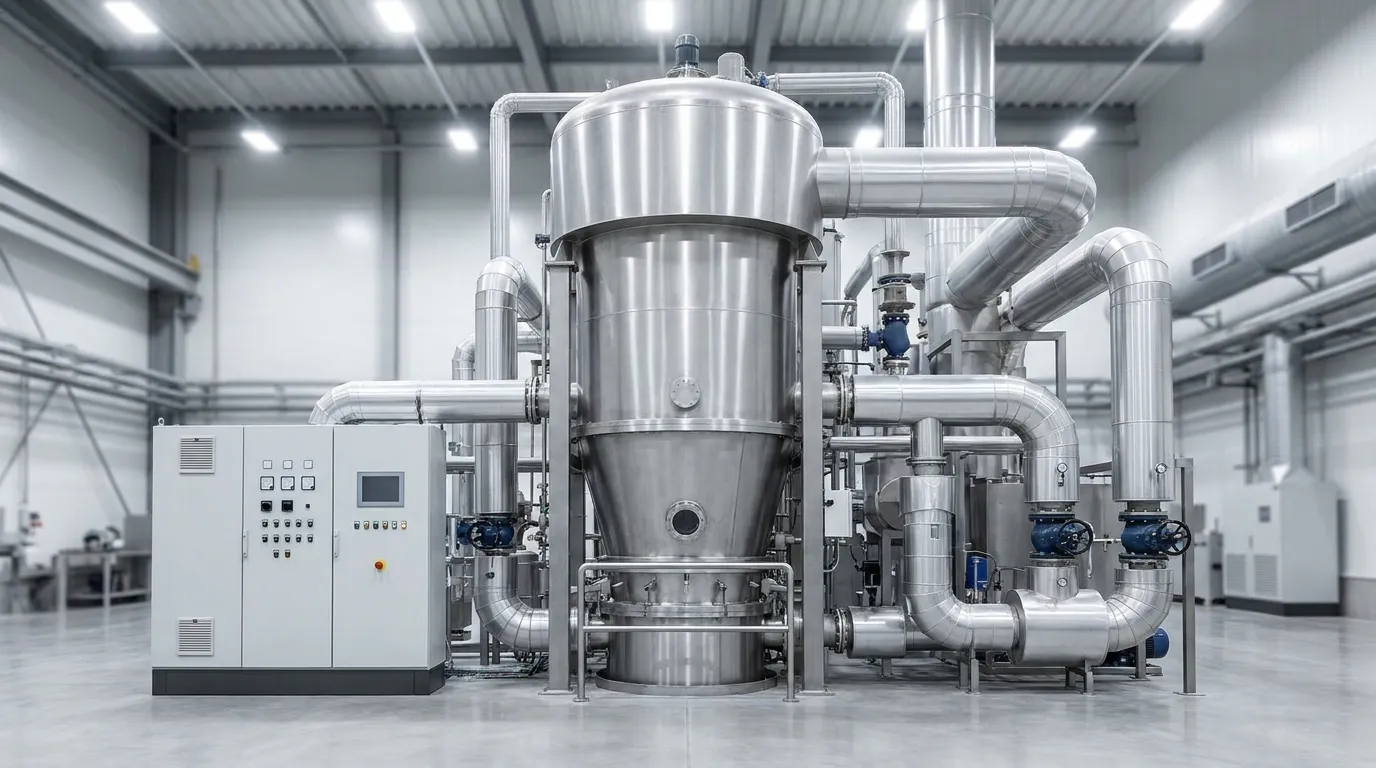
Yes, sourcing used, new surplus, or refurbished tanks from International Process Plants can streamline pressure testing compliance. IPP maintains an inventory of over 15,000 pieces of equipment across warehouses in Eastover, South Carolina (US), Germany, and the United Kingdom, with vessels constructed to ASME Section VIII, PED, and CE marking standards.
Each vessel includes original documentation covering design pressure, MAWP, material specifications, and prior inspection records. This documentation package gives your competent person the data required to develop a written scheme of examination (WSE) under UK PSSR 2000 or equivalent API 510 inspection programs. According to the UK Health and Safety Executive, the competent person must review the WSE, confirm its suitability, and produce written reports for each examination.
The 2017 Loy-Lange Box Company explosion, which killed four people when a corroded pressure vessel failed catastrophically, demonstrates what happens when inspection histories are incomplete or ignored. Sourcing vessels with traceable documentation from IPP reduces the risk of acquiring equipment with unknown degradation.
What Are the Key Takeaways About Tank Pressure Testing Intervals and Procedures We Covered?
The key takeaways about tank pressure testing intervals and procedures are:
- Test pressures follow standardized formulas: Hydrostatic tests require 1.3 × MAWP × LSR; pneumatic tests require 1.1 × MAWP × LSR under ASME, while EN 13445 specifies 1.43 × design pressure for hydrostatic and 1.25 × for pneumatic testing
- Inspection intervals vary by standard and service: API 510 limits external inspections to 5 years and internal inspections to the lesser of half remaining life or 10 years; IChemE guidance places pressure vessel recertification at 12 to 60 months depending on service conditions
- Risk-Based Inspection replaces calendar-driven schedules: API RP 580 and 581 methodology evaluates probability and consequence of failure to set inspection scope, methods, and intervals based on actual equipment risk
- Material and operating conditions determine testing approach: Glass-lined, alloy, and standard carbon steel vessels each require unique testing protocols matched to their corrosion mechanisms and thermal cycling exposure
- Documentation enables compliance across jurisdictions: ASME, PED, CE, UKCA, and AS/NZS 3788 all require traceable records of design parameters, test results, and inspection findings
International Process Plants provides vessels with the documentation foundation necessary for integrating new acquisitions into your existing pressure testing program.

 RU
RU  EN
EN  ES
ES  FR
FR  PL
PL  DE
DE  AR
AR  UR
UR  HI
HI  NL
NL  TR
TR  IT
IT  UK
UK  JA
JA  PT
PT  ZH
ZH