Статьи2025-11-10T16:09:05-05:00

Статьи

  • What Are the Key Differences Between Conduction, Convection, and Radiation Drying?

    Conduction, convection, and radiation drying are three industrial heat transfer mechanisms that differ in how thermal energy reaches wet material: direct surface contact, moving hot [...]

  • How Does a Freeze Dryer Work and What Is the Lyophilization Process?

    A freeze dryer removes water from a frozen product under vacuum, allowing ice to sublimate directly from solid to vapor without passing through a liquid [...]

  • How Does a Fluid Bed Dryer Work? A Complete Process Guide

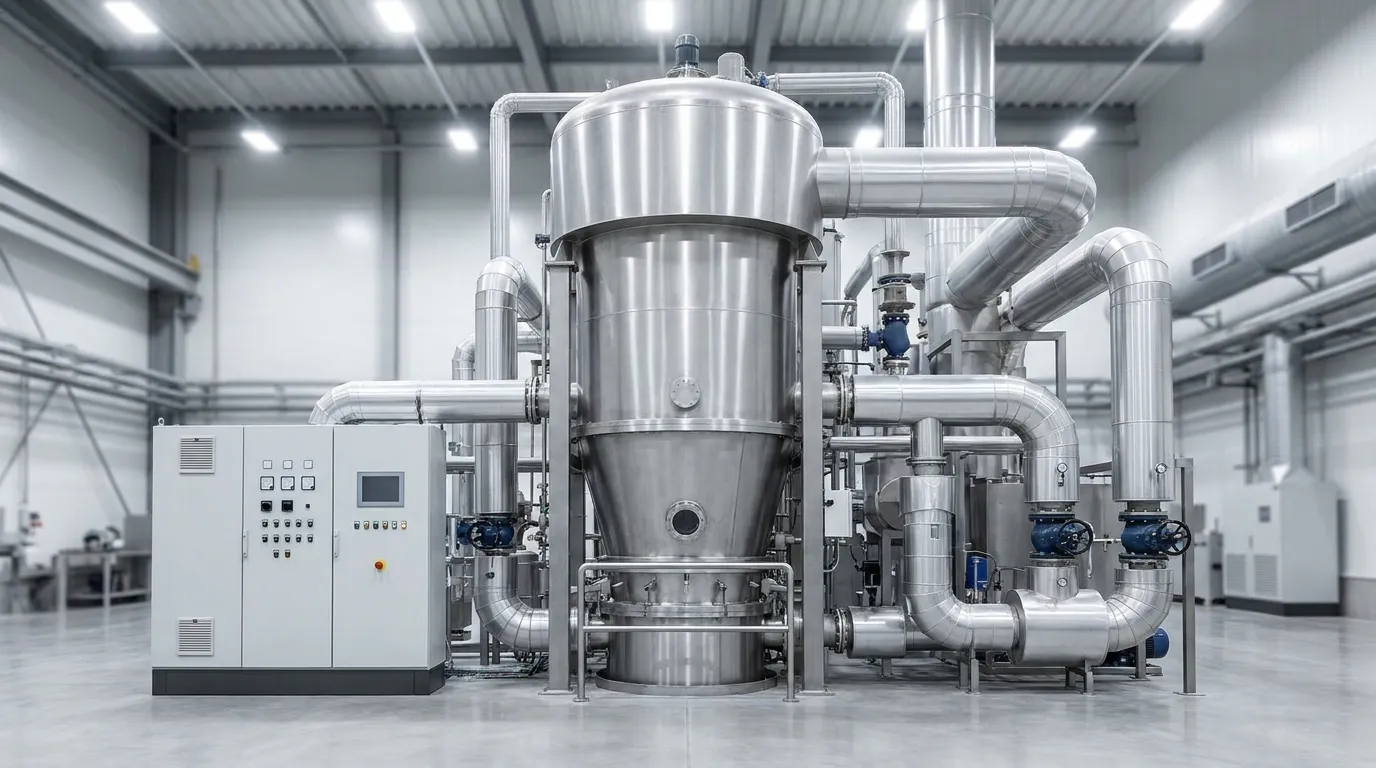
    A fluid bed dryer is a drying machine that suspends solid particles in a stream of heated gas to remove moisture through convective evaporation. The [...]

  • How Does a Pressure Leaf Filter Work, and What Are Its Main Processes, Components, and Industrial Applications?

    A pressure leaf filter is a liquid filtration system that uses stacked filter elements inside a pressure vessel to separate solids from liquids through cake [...]

  • How a Nutsche Filter Works: ANFD Design, Process Steps, and Industrial Applications

    A Nutsche filter is a closed batch vessel that performs solid-liquid separation by driving slurry through a filter plate under vacuum or pressure, retaining solids [...]

  • What Is the Step-by-Step Procedure for Safe Centrifuge Commissioning and Start-Up?

    Centrifuge commissioning is a quality control procedure that verifies all mechanical, electrical, and control systems function correctly before process materials enter rotating equipment. Proper commissioning [...]

  • What Is Industrial Filtration and How Does It Work in Industrial Processes?

    Industrial filtration is the process of forcing a fluid through a physical or chemical barrier to separate solid particles, impurities, or contaminants from the stream. [...]

  • When Should You Retire a Centrifuge Instead of Rebuilding It?

    A centrifuge retirement decision hinges on whether repair costs, component availability, and compliance requirements favor continued investment or capital reallocation toward replacement equipment. This guide [...]

  • What Is Industrial Drying and What Are the Main Types of Industrial Dryers?

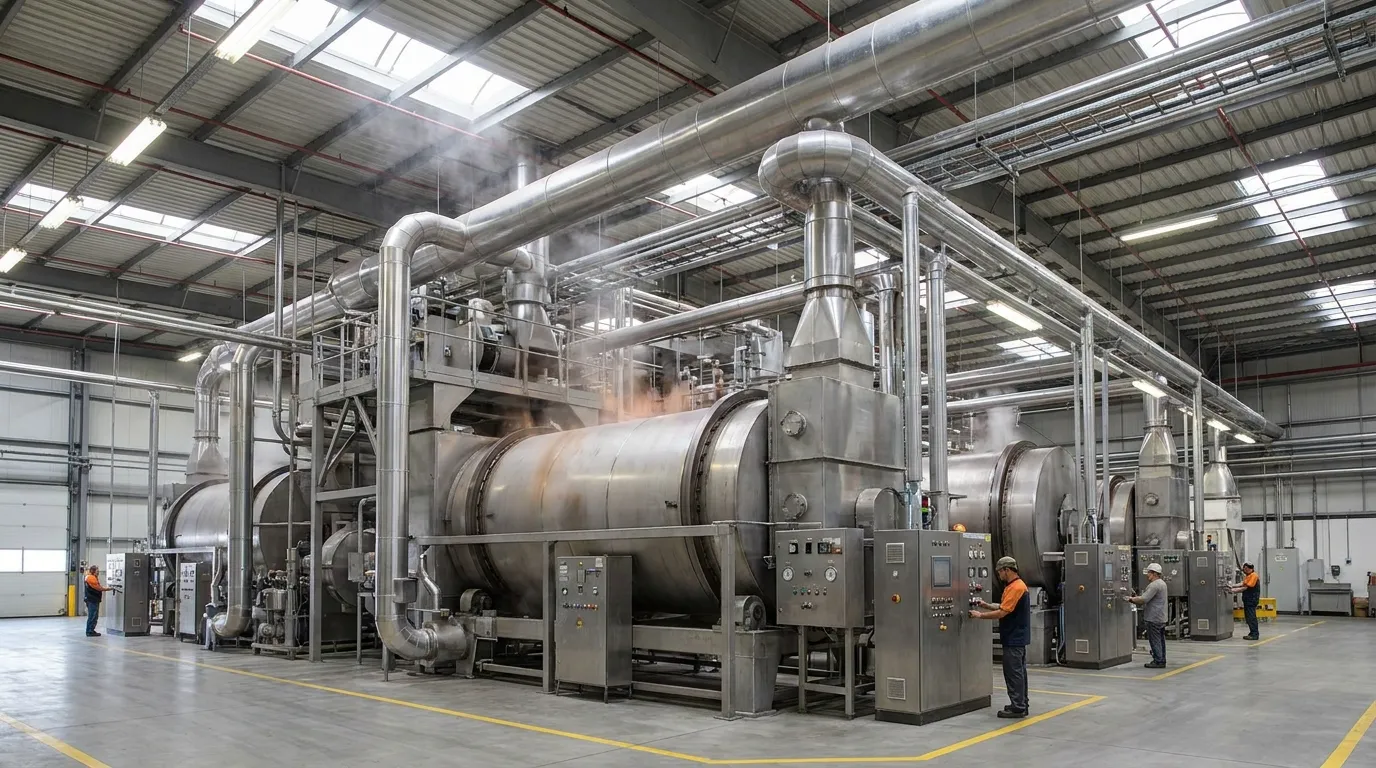
    Industrial drying is a unit operation that removes moisture from wet solids, solutions, or gases using thermal energy and airflow. It is one of the [...]

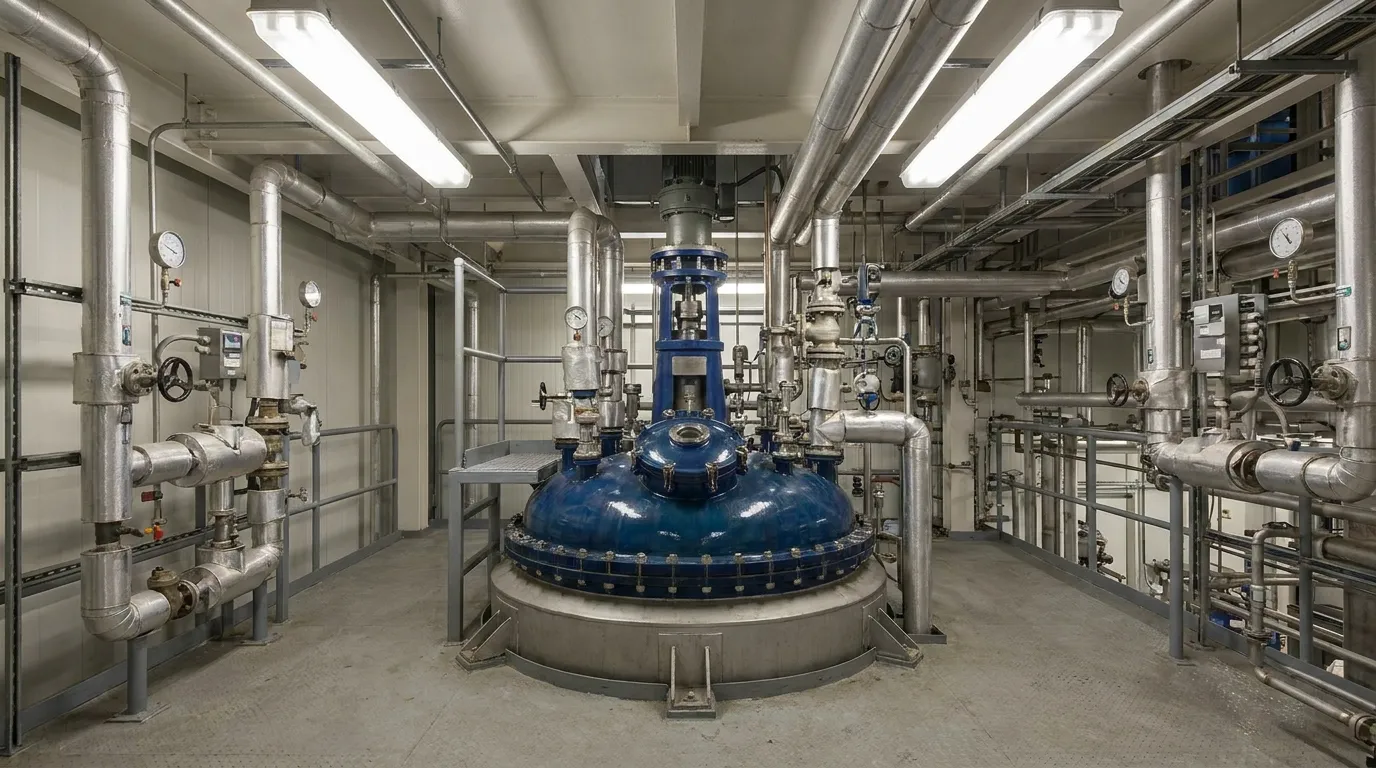
  • When Should You Replace a Glass-Lined Reactor and What End-of-Life Warning Signs Should You Watch For?

    A glass-lined reactor reaches end of life when its vitreous enamel coating can no longer prevent process chemicals from contacting the steel substrate. Replacement becomes [...]

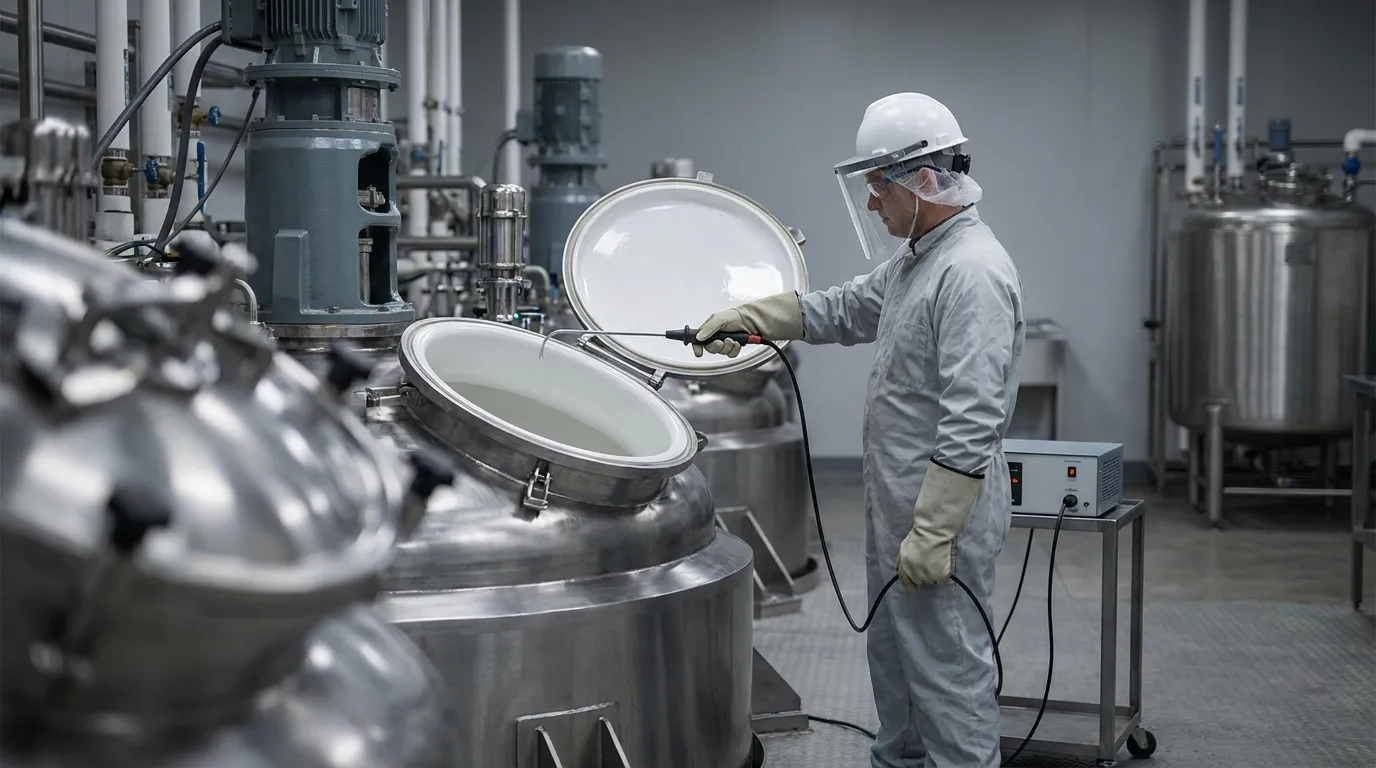
  • What Is Discontinuity and Spark Testing for Glass-Lined Reactors and Why Is It Important?

    Discontinuity and spark testing is a voltage-based inspection method that detects pinholes, chips, cracks, and weak spots in the glass enamel lining of chemical reactor [...]

  • What Is Reactor Commissioning and Qualification and Why Are IQ, OQ, and PQ Essential?

    Reactor commissioning and qualification is the structured process of verifying that a reactor is correctly installed, operates within all anticipated ranges, and performs consistently under [...]

  • What Are the Best Practices for Safe Reactor Cleaning and CIP Procedures?

    Reactor cleaning and clean-in-place (CIP) procedures are validated methods for removing process residues from reactor vessels to maintain product purity, operator safety, and regulatory compliance. [...]

  • What Are the Most Common Glass-Lined Reactor Failures, Including Chips, Cracks, and Discontinuities?

    Glass-lined reactor failures are defects in the fused-glass coating that protects a steel vessel's interior from corrosive process chemicals. Chips represent localized material loss from [...]

  • What Should You Know About Reactor Maintenance Schedules and Inspection Intervals?

    A reactor maintenance schedule is a structured program of preventive tasks, condition-based monitoring, and periodic inspections designed to keep process reactor vessels operating safely within [...]

  • What Are the Best Practices for Dryer Cleaning Between Product Changeovers?

    Dryer cleaning between product changeovers is the validated process of removing all residues from industrial drying equipment before introducing a new product batch. This procedure [...]

  • What Should You Know About Rotary Dryer Flight Wear and Seal Replacement?

    Rotary dryer flight wear and seal replacement is the process of identifying degraded lifting flights and compromised drum seals, then systematically removing and installing new [...]

  • What Is the Best Way to Clean Fluid Bed Dryer Plates and Distributors?

    The best way to clean fluid bed dryer plates and distributors combines proper preparation, appropriate cleaning methods matched to residue type, and verified inspection protocols [...]

  • What Is the Best Way to Maintain Spray Dryer Atomizers and Nozzles?

    The best way to maintain spray dryer atomizers and nozzles is through systematic preventive care that combines daily inspections, proper cleaning protocols, and timely component [...]

  • What Are the Best Dryer Types for Heat-Sensitive Products?

    The best dryer types for heat-sensitive products are vacuum dryers, freeze dryers (lyophilizers), fluid bed dryers, and spray dryers, each designed to remove moisture at [...]

  • How Do You Select the Right Dryer for Powders, Pastes, Slurries, and Crystals?

    Dryer selection is the process of matching a drying technology to a product's physical form, moisture profile, thermal limits, and throughput requirement. The right choice [...]

  • How Do You Size an Industrial Dryer for Your Specific Application?

    Sizing an industrial dryer means matching equipment capacity, heat load, and residence time to the material, moisture, and throughput of a specific process. Correct sizing [...]

  • What Are the Different Types of Vacuum Dryers and How Do Conical, Double Cone, Pan, and Paddle Dryers Compare?

    A vacuum dryer is a process vessel that removes moisture or solvents from materials by lowering internal pressure below atmospheric level. Reduced pressure lowers the [...]

  • How Do You Choose Between a Rotary Dryer and a Belt Dryer for Continuous Drying?

    A continuous dryer is a process unit that removes moisture from solids in a steady, uninterrupted flow, and the choice between a rotary dryer and [...]

  • What Should You Know About Centrifuge Materials of Construction: 316 Stainless Steel, Hastelloy, and Duplex?

    Centrifuge materials of construction are the specific alloys and metals used to fabricate centrifuge bowls, rotating components, and wetted components that contact process fluids during [...]

  • What Are the Key Differences Between Freeze Drying and Vacuum Drying?

    Freeze drying and vacuum drying are two reduced-pressure methods for removing moisture from materials, distinguished by how they extract water: freeze drying sublimates ice from [...]

  • Spray Dryer vs. Fluid Bed Dryer: Which Drying System Should You Choose?

    Spray dryers and fluid bed dryers are convective drying systems that differ in feed type, drying mechanism, and product form. Spray dryers atomize liquid feeds [...]

  • What Is Dryer Commissioning, IQ/OQ/PQ, and Validation in Process Industries?

    Dryer commissioning, IQ/OQ/PQ, and validation in process industries is the systematic approach to verifying that drying equipment is properly installed, operates within design parameters, and [...]

  • What Is an Effective Freeze Dryer Maintenance Schedule and Why Does Lyophilizer Service Matter?

    A freeze dryer maintenance schedule is a structured program of inspections, service tasks, and component replacements designed to preserve lyophilizer performance, ensure sterility compliance, and [...]

  • What Are the Best Practices and Inspection Tips for Vacuum Dryer Pump Maintenance?

    Vacuum dryer pump maintenance is the systematic practice of inspecting, lubricating, and servicing vacuum pumps to prevent failures and ensure consistent drying performance in chemical, [...]

  • How Can You Troubleshoot Dryer Temperature and Humidity Control Issues?

    Dryer temperature and humidity control troubleshooting is the systematic process of diagnosing and correcting faults in industrial drying systems that prevent accurate thermal and moisture [...]

  • What Are the Key cGMP Requirements for Pharma Centrifuge Design and Compliance?

    cGMP requirements establish expectations for equipment suitability, documentation, maintenance, cleaning, and validation to help ensure drug product safety and quality in the pharmaceutical industry. This [...]

  • How Do G-Force, RPM, and Centrifuge Size Affect Centrifuge Performance?

    G-force, RPM, and centrifuge size parameters (such as bowl diameter where applicable) are three interdependent parameters that influence centrifuge separation efficiency, throughput capacity, and equipment [...]

  • How Do You Size a Centrifuge for Your Application?

    Sizing a centrifuge for your application requires matching separation capacity to your specific feed characteristics, throughput demands, and process requirements. Proper sizing ensures efficient solid-liquid [...]

  • What Are the Key Differences Between Auto-Discharge Bottom and Manual-Discharge Top Basket Centrifuges?

    Auto-discharge bottom and manual-discharge top basket centrifuges are two distinct solid-liquid separation systems that differ primarily in how they remove filtered solids from the rotating [...]

  • What Are the Key Differences, Applications, and Selection Tips for Peeler vs. Pusher Centrifuges?

    A peeler centrifuge is a batch-operated filtration system that uses a horizontal rotating basket and mechanical knife to separate solids from liquids, while a pusher [...]

  • When and Why Should You Use an Inverting Filter Centrifuge?

    An inverting filter centrifuge is a horizontal filtering centrifuge that uses a cloth-inversion mechanism to achieve complete, heel-free solids discharge without mechanical scraping. This design [...]

  • Basket vs. Decanter Centrifuge: Which Should You Choose?

    Basket and decanter centrifuges are two distinct solid-liquid separation technologies that use centrifugal force to isolate solids from liquids, with basket types employing filtration through [...]

  • What Are the Key Differences Between Disc Stack and Decanter Centrifuges?

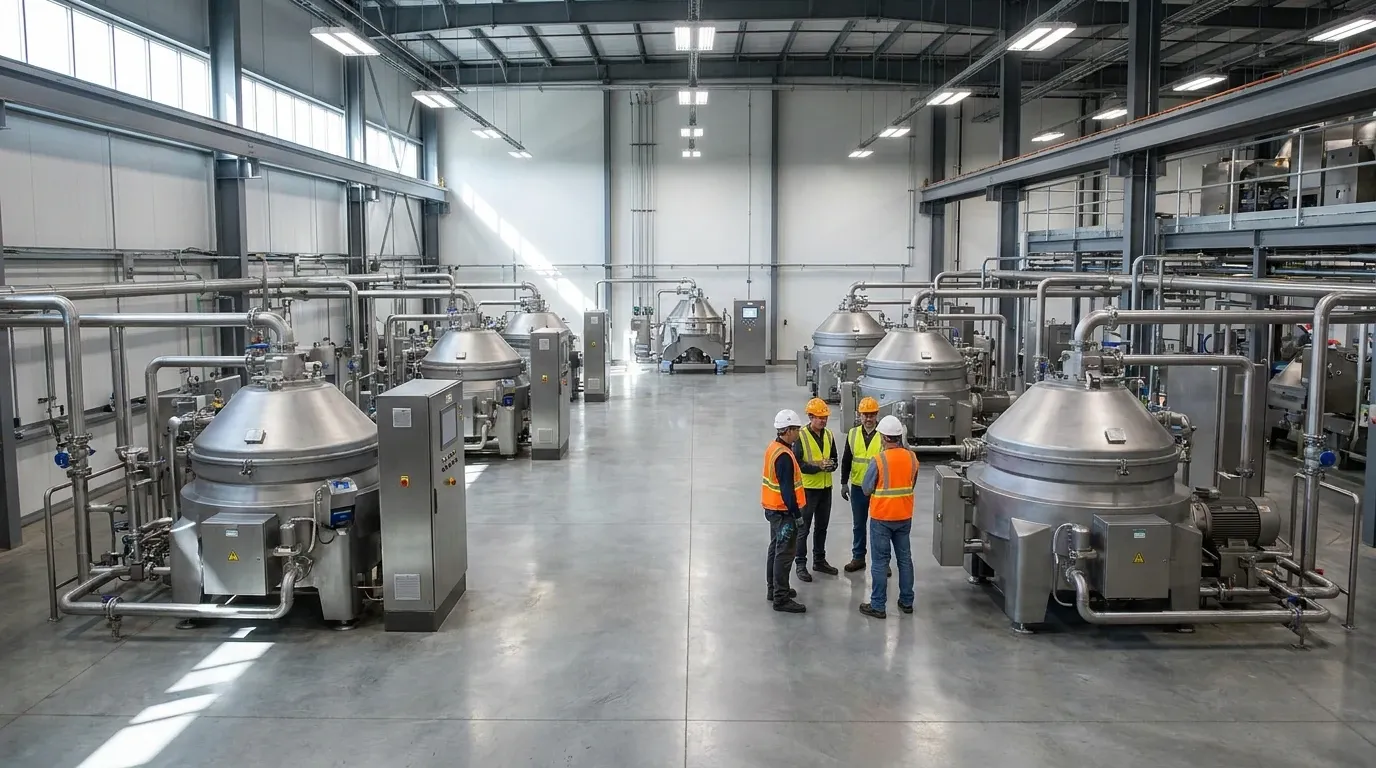
    Disc stack and decanter centrifuges are two distinct separation technologies designed for different feed characteristics and throughput requirements. Disc stack centrifuges use high-speed spinning conical [...]

  • How Does a Decanter Centrifuge Work? Process, Applications, and Benefits

    A decanter centrifuge is a machine that separates solid material from liquids through continuous high-speed rotation. Also called a horizontal bowl centrifuge or scroll centrifuge, [...]

  • How Does a Disc Stack Centrifuge Work? Disc Bowl Process Explained

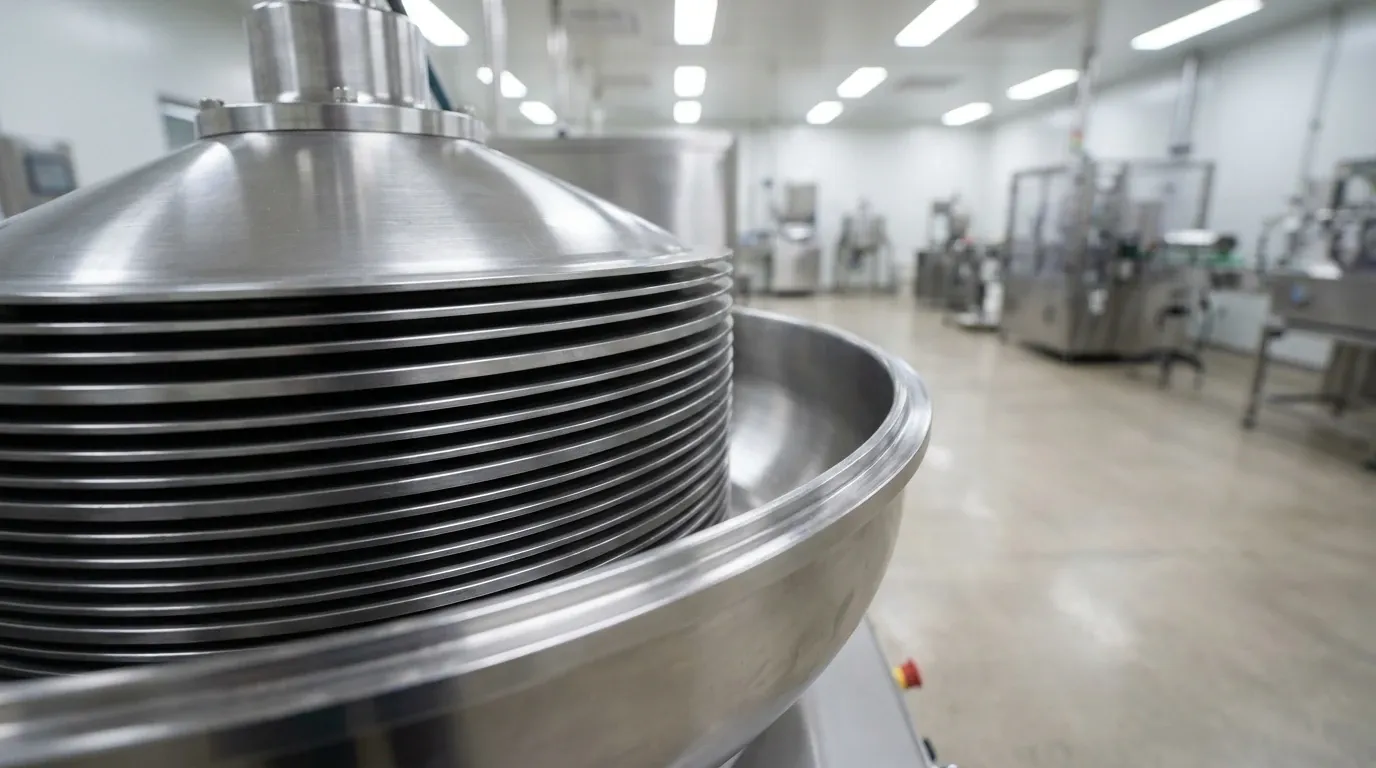
    A disc stack centrifuge is a high-speed separation device that uses centrifugal force combined with stacked conical discs to separate liquids from solids or two [...]

  • How Does a Basket Centrifuge Work? Process and Applications Explained

    A basket centrifuge is a rotating separation device that uses centrifugal force to separate solids from liquids by spinning a perforated or solid cylindrical basket [...]

  • What Should You Know About Decanter Centrifuge Scroll Wear Inspection, Its Signs, Causes, and Maintenance Steps?

    A decanter centrifuge scroll is the helical conveyor inside the rotating bowl that transports separated solids toward discharge, and its wear directly reduces separation efficiency, [...]

  • How Can You Achieve Reliable Separation Performance Through Proper Disc Stack Centrifuge Cleaning and CIP?

    Disc stack centrifuge cleaning and CIP (clean-in-place) refers to the systematic removal of residues and biological material from centrifuge internals to maintain separation efficiency and [...]
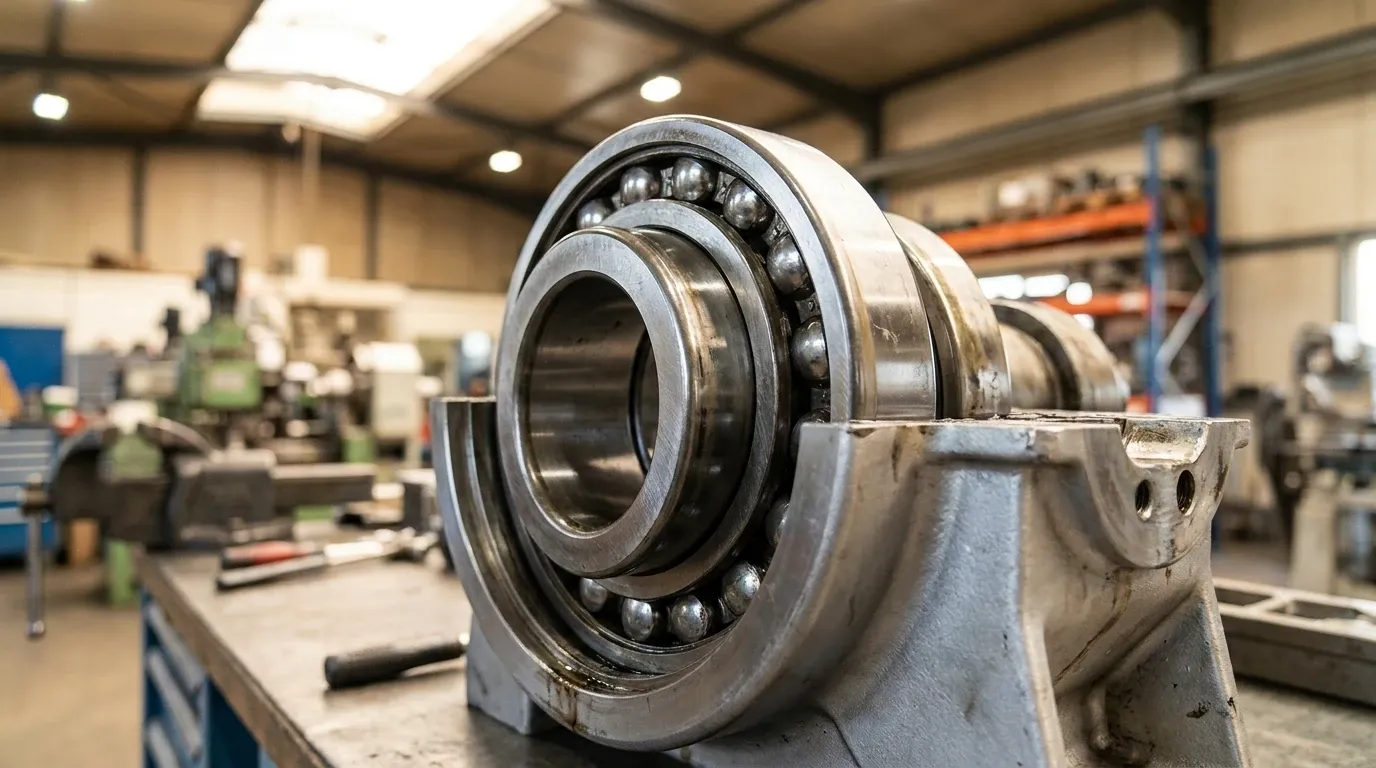
  • How Can You Determine Optimal Maintenance and Replacement Intervals for Centrifuge Bearings?

    Optimal maintenance and replacement intervals for centrifuge bearings are determined by analyzing process conditions, monitoring warning indicators, following lubrication protocols, and applying predictive maintenance technologies. [...]
  • What Are the Most Common Centrifuge Vibration Problems and How Can You Fix Them?

    Centrifuge vibration problems are mechanical disturbances that can be caused by rotor imbalance, shaft misalignment, bearing wear, and structural resonance that disrupt smooth rotation and [...]
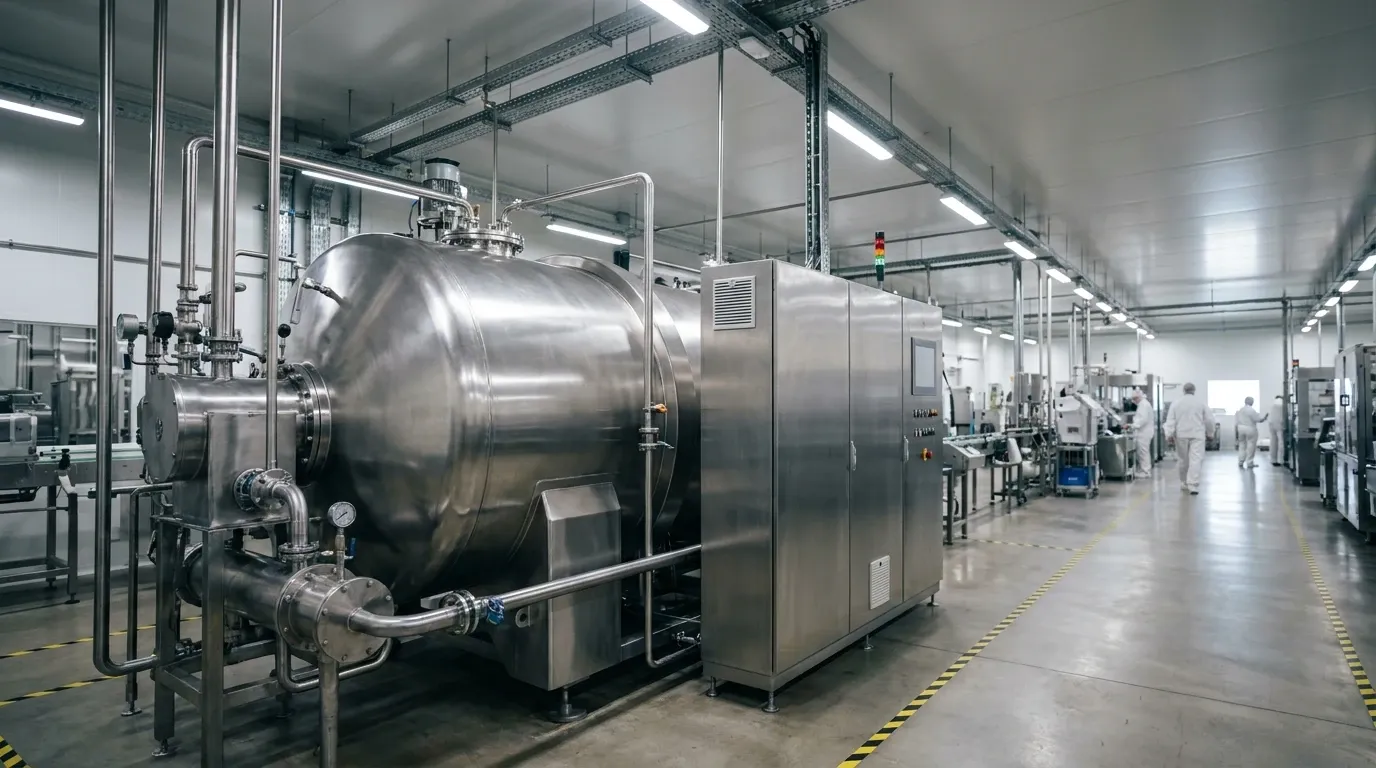
  • Centrifuge Bowl Inspection and Balance Checking: A Practical Maintenance Guide

    Centrifuge bowl inspection and balance checking is the systematic process of examining centrifuge bowls for wear, damage, and corrosion while verifying that mass distribution keeps [...]
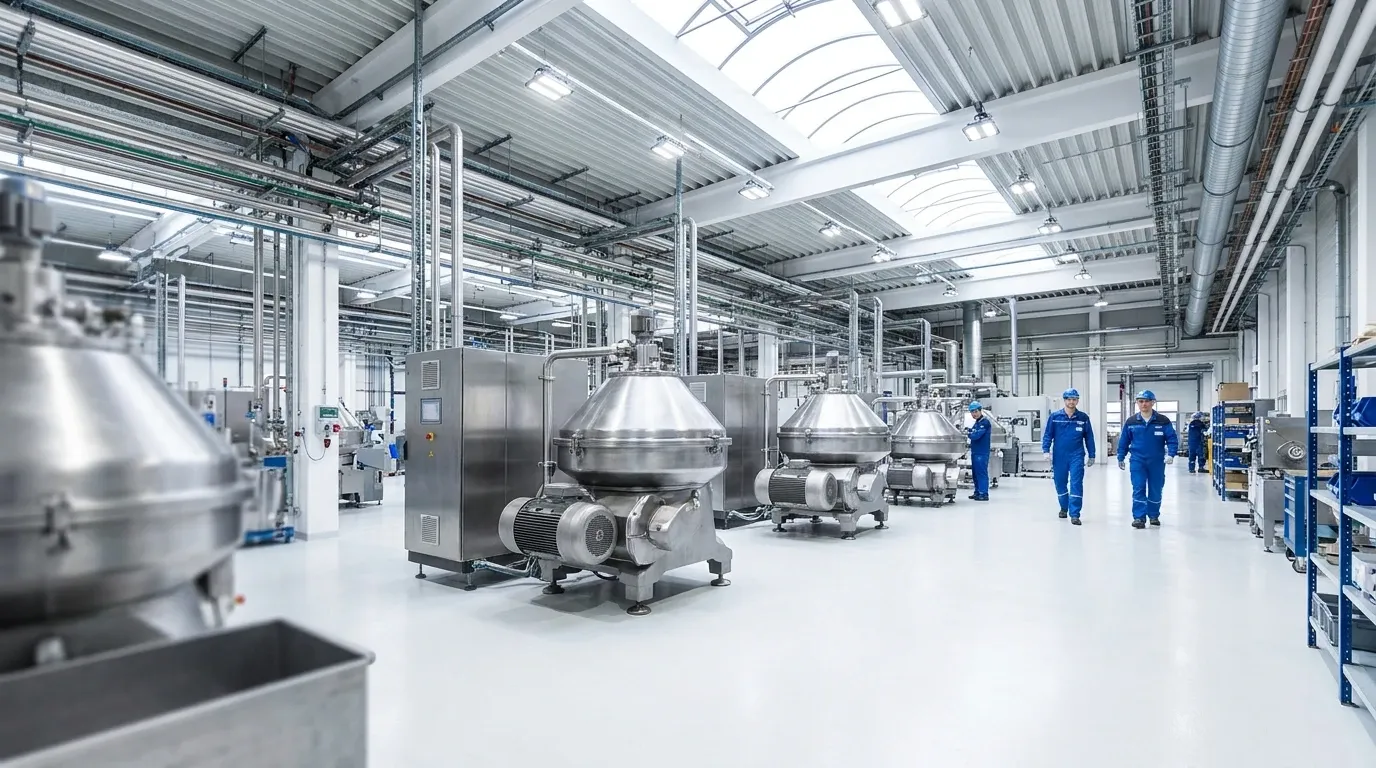
  • What Is an Industrial Mixer and What Are the Main Types?

    An industrial mixer is process equipment that induces relative physical motion between ingredients to achieve a desired spatial distribution of concentration, creating homogeneous blends of [...]
использованный-реактор-для-продажи-стеклянный-эмалированный

Часто задаваемые вопросы

Как осуществляется доставка?2024-02-13T05:41:39-05:00

Мы предлагаем несколько вариантов доставки, в том числе и международной. Если клиент захочет, он может организовать свою доставку самостоятельно.

А как насчет б/у оборудования? Где вы его берете?2024-02-13T05:41:25-05:00

Около 98% нашего бывшего в употреблении оборудования поступает из ликвидаций заводского типа, в которых мы обязаны не продавать системы или заводы целиком обратно на рынок. Наши запасы состоят из тех частей, которые не были проданы на месте, но все еще имеют большую ценность.

Какие преимущества получают компании, покупающие бывшие в употреблении установки?2024-02-13T05:41:10-05:00

Покупка полного завода для переезда сэкономит компании около 70% на новом оборудовании и инженерных затратах и 50% на сроках выполнения проекта. Большинство наших клиентов не смогут оправдать стоимость нового завода или расширения. У них также может не быть времени ждать строительства в любом из сценариев. Наше ценностное предложение заключается в том, что мы предоставляем возможности и решения нашим покупателям.

Кто у вас покупает?2024-02-13T05:40:54-05:00

В основном это малые и средние компании, которые являются предпринимательскими по своей природе. Эти компании понимают наше ценностное предложение.

Как вам удается так долго добиваться успеха?2024-02-13T05:40:40-05:00

Мы предоставляем нашим клиентам высокий уровень обслуживания, помогая им решать свои проблемы и достигать целей по росту и прибыли.

Сколько у вас клиентов?2024-02-26T07:42:34-05:00

Компания IPP предоставляет решения клиентам уже более 46 лет, сформировав базу из более чем 160 000 постоянных клиентов по всему миру.

Где находятся ваши заводы?2024-06-08T15:15:17-04:00

Наши 18 заводов расположены по всему миру.

Группа ИПП

Наша группа компаний может удовлетворить ваши потребности и помочь вашему бизнесу расти

GPS — поставщик оборудования и систем для технологического процесса, изготавливаемых на заказ. Вместо того чтобы строить только на заказ, GPS создает инвентарь новых широко используемых реакторов, теплообменников, сушилок, смесителей, центрифуг и т. д. с нулевым сроком поставки. Мы доставляем оборудование на заказ в среднем за 12–16 недель.

На протяжении 30 лет UGE поставляет переостекленное и новое стальное оборудование, а также детали и услуги для химической и фармацевтической промышленности по всему миру. Глобальное присутствие и значительные мощности UGE обеспечивают быструю доставку и конкурентоспособные цены на мировом рынке.

Компания Universal Turbomachinery Equipment специализируется на модернизации центробежных компрессоров и паровых турбин с целью повышения производительности и эффективности, обеспечивая быструю окупаемость инвестиций.

Универсальный Вихрь

UVI поставляет энергоэффективные решения по переработке газа для отраслей природного газа, КПГ и СПГ, основанные на его базовой технологии снижения давления без замерзания. Технология вихревой трубки UVI — это запатентованное решение, не требующее подвижных частей или внешней энергии для снижения давления или нагрева/охлаждения газа.

Кто такой ИПП?

Прежде чем подать заявку, узнайте о нас больше и посмотрите, какое влияние вы можете оказать на мировую ситуацию.