 Pular para o conteúdo
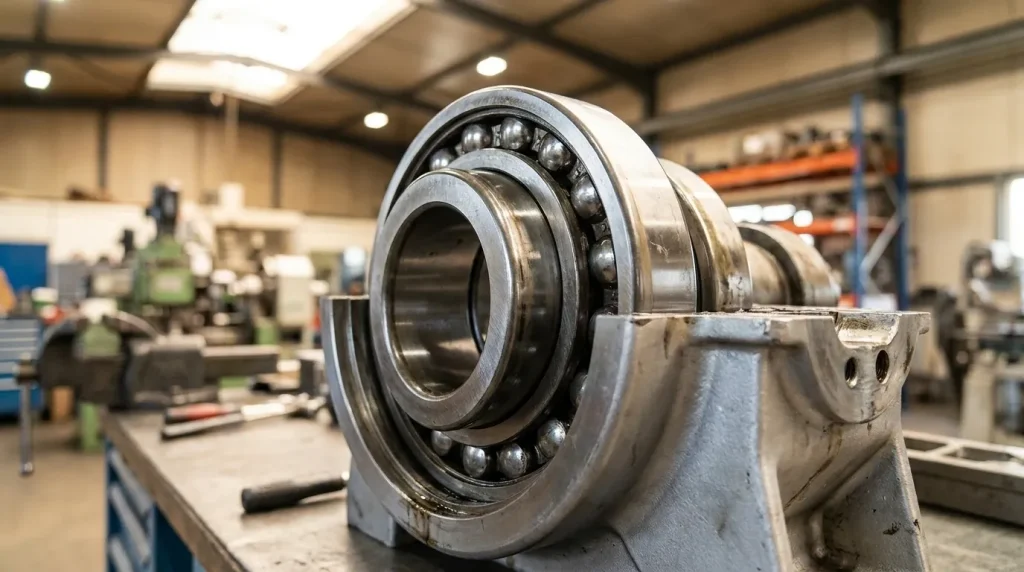
Optimal maintenance and replacement intervals for centrifuge bearings are determined by analyzing process conditions, monitoring warning indicators, following lubrication protocols, and applying predictive maintenance technologies. Main bearings on decanter centrifuges typically require replacement around every 15,000 operating hours, though actual intervals vary based on temperature exposure, load severity, and contamination levels.
This guide covers the factors that influence inspection timing, proper lubrication practices, replacement decision criteria, reliability best practices, and equipment sourcing considerations.
Process conditions directly affect how often bearings need inspection. High operating temperatures between 190°F to 220°F (88°C to 104°C), high solids concentrations, and frequent start-stop cycles accelerate wear rates beyond standard manufacturer intervals. Warning signs such as vibration exceeding ISO 10816-3 thresholds, temperature spikes, and unusual noise patterns indicate when immediate inspection becomes necessary. Proper lubricant selection, application frequency adjusted for operating temperature, and avoiding both over-lubrication and under-lubrication also help prevent premature failures.
Replacement timing depends on recognizing when maintenance can no longer restore safe operating parameters. Visible damage, persistent vibration, and abnormal operating temperatures that cannot be resolved through proper lubrication, alignment checks, or corrective maintenance may indicate that bearings require replacement. Understanding typical lifespan ranges helps maintenance teams plan replacements before catastrophic failure occurs.
Best practices for reliable performance include contamination-free installation procedures, comprehensive record-keeping for predictive maintenance programs, and preventive measures such as scheduled relubrication and vibration monitoring.
What Factors Influence When Centrifuge Bearings Should Be Inspected?
The factors that influence when centrifuge bearings should be inspected include process conditions, observable warning signs, and the gap between manufacturer recommendations and actual operating demands. Main bearings on a decanter centrifuge should be replaced around every 15,000 hours to minimize risk to the centrifuge and its components. The following subsections examine each factor in detail.
How Do Process Conditions Affect Inspection Frequency for Centrifuge Bearings?
Process conditions affect inspection frequency for centrifuge bearings by accelerating or slowing wear rates based on temperature, load, and contamination exposure. High-temperature operations between 190°F to 220°F (88°C to 104°C) stress lubricants and bearing surfaces more rapidly than ambient processes. Corrosive feed materials, abrasive solids content, and variable throughput rates compound these stresses.
Key process variables that shorten inspection intervals include:
- Consistently high operating temperatures above around 176°F (80°C)
- High solids concentration in the feed stream
- Frequent start-stop cycles that increase load stress
- Corrosive or chemite-laden process fluids
- Continuous operation beyond 20 hours per day
Engineers should adjust inspection schedules based on actual severity rather than assuming standard intervals apply universally.
What Are Signs That Indicate Immediate Bearing Inspection Is Needed?
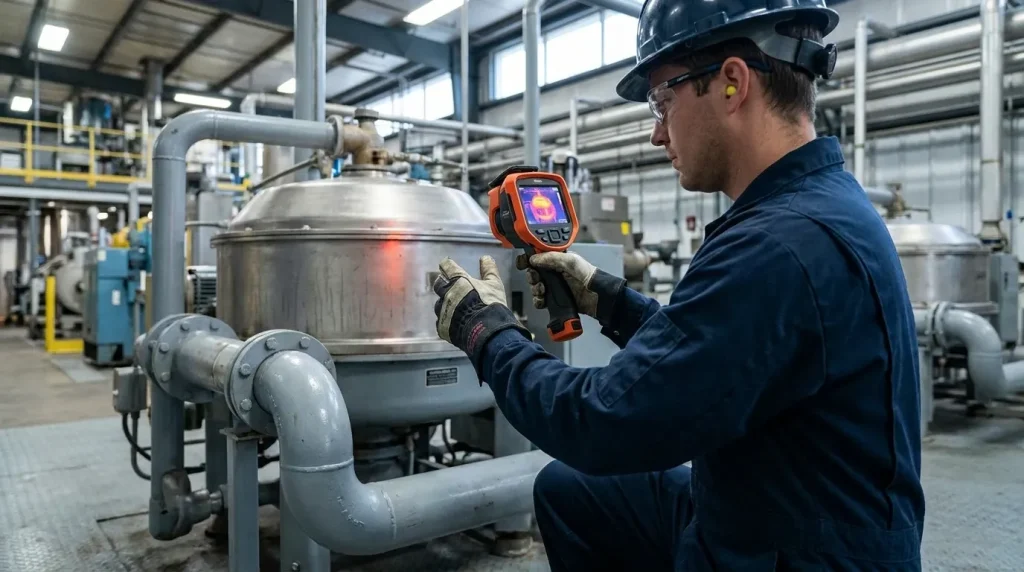
The signs that indicate immediate bearing inspection is needed are abnormal vibration, elevated temperature, unusual noise, and visible lubricant degradation.
Warning indicators requiring immediate attention include:
- Vibration levels exceeding a vibration severity boundary around 2.8 mm/s RMS for certain machine classes per ISO 10816-3
- Temperature spikes above normal operating range
- Grinding, squealing, or rhythmic clicking sounds
- Discolored or contaminated grease at seals
- Increased motor current draw without load changes
Research published in Nature’s Scientific Reports highlights the critical role of rolling bearings in rotating equipment reliability, with studies of centrifugal pump units showing that more than 60% of failures stem from rolling bearing problems. While industrial centrifuges have different operating principles, similar bearing challenges are relevant, where bearing condition is also a key factor in maintaining stable, safe, and efficient operation. This statistic underscores why prompt inspection at the first warning sign prevents cascading equipment damage.
How Do Manufacturer Recommendations Compare to Real-World Inspection Schedules?
Manufacturer recommendations compare to real-world inspection schedules by serving as baseline guidelines that actual operating conditions often compress. OEM intervals typically assume ideal conditions: proper lubrication, aligned shafts, and moderate duty cycles. ISO 281 provides formulae for bearing life calculations using factors such as load carrying capacity, applied load, and operating conditions to determine L10 life rating life, which represents the basic rating life that 90% of identical bearings can be expected to reach.
Real-world schedules diverge from manufacturer guidance when:
- Process severity exceeds design assumptions
- Equipment age introduces cumulative wear factors
- Historical failure data reveals site-specific patterns
- Regulatory requirements mandate more frequent verification
Experienced maintenance teams use manufacturer intervals as starting points, then refine schedules based on vibration trending, oil analysis, and operational history. This data-driven approach captures the gap between theoretical L10 life and actual field performance, where contamination and misalignment often dominate failure modes.
When and How Should Centrifuge Bearings Be Lubricated?
Centrifuge bearings should be lubricated according to operating temperature, speed, and manufacturer specifications. The subsections below cover recommended lubricant types, application frequency, and the consequences of improper lubrication.
What Types of Lubricants Are Recommended for Centrifuge Bearings?
The types of lubricants recommended for centrifuge bearings include high-temperature greases, synthetic oils, and food-grade formulations for sanitary applications. High-speed industrial centrifuge bearings often require specialized lubricants formulated for high rotational speeds, elevated temperatures, and continuous operation. Greases with NLGI Grade 2 consistency and high-performance thickeners such as polyurea or lithium complex are commonly selected, provided they meet the bearing manufacturer’s temperature, speed, and compatibility requirements. Synthetic lubricants can offer superior thermal stability for centrifuges operating at high temperatures. Oil-lubricated systems often suit continuous high-speed operations where grease cannot dissipate heat effectively. Always verify lubricant compatibility with existing seals and previous lubricant residues before switching products.
How Often Should Lubrication Be Performed for Different Applications?
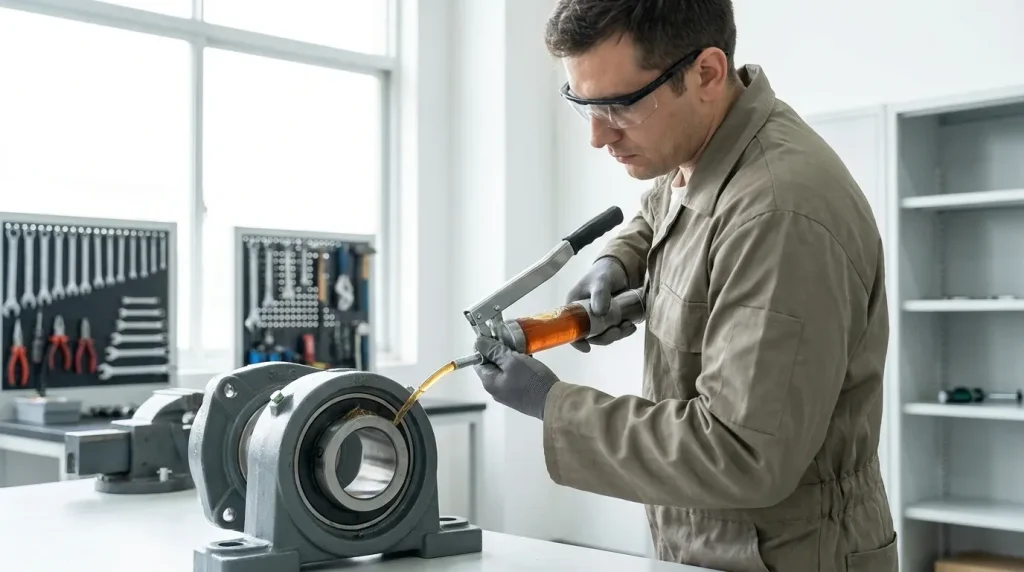
Lubrication frequency depends on operating hours, temperature, and process severity. According to NTN Global, for every 10°C (18°F) increase in bearing temperature above 80°C (176°F), the grease replenishment interval generally shortens to two-thirds of the baseline. Decanter centrifuges in wastewater treatment, for example, typically require relubrication every 500 to 1,000 operating hours. High-temperature pharmaceutical applications may need weekly lubrication intervals. Continuous-duty separators processing abrasive slurries often require daily grease additions. Establish baseline intervals from manufacturer guidance, then adjust based on vibration trends and temperature monitoring data.
What Are the Risks of Over-Lubrication or Under-Lubrication?
The risks of over-lubrication and under-lubrication include bearing damage, overheating, and premature failure. Over-lubrication causes excessive grease churning that generates heat, increases drag, and can rupture seals. Under-lubrication allows metal-to-metal contact, accelerating wear and raising operating temperatures. Both conditions compromise the lubricant film that separates rolling elements from raceways. Automated lubrication systems with metered dispensers help maintain consistent application volumes and reduce human error.
With lubrication practices established, the next section examines when bearings require replacement rather than continued maintenance.
When Is It Time to Replace Centrifuge Bearings Instead of Maintaining Them?
Centrifuge bearings require replacement when maintenance no longer restores safe operating parameters. The sections below cover warning signs that indicate replacement, how failures affect performance and safety, and typical bearing lifespan in industrial settings.
What Are the Common Warning Signs That Bearings Need Replacement?
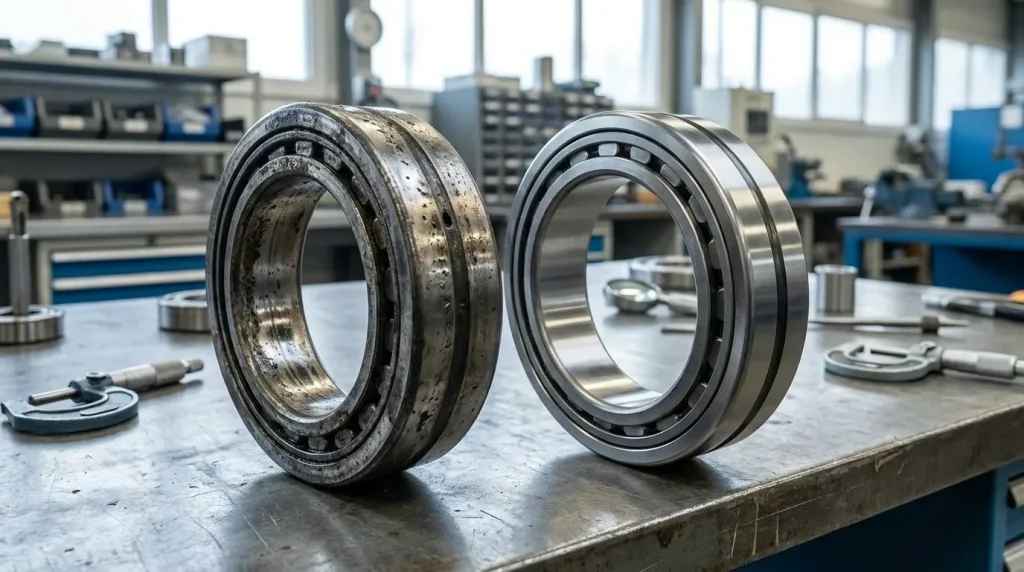
The common warning signs that bearings need replacement include abnormal noise, excessive vibration, elevated temperature, and visible damage. Unusual grinding or rumbling sounds typically indicate metal-to-metal contact from worn surfaces. Vibration levels exceeding 0.16 in/sec peak (2.8 mm/sec RMS) per ISO 10816-3 vibration thresholds can signal bearing degradation requiring immediate attention.
Temperature spikes beyond normal operating ranges often precede catastrophic failure. Visible inspection revealing pitting, spalling, discoloration, or cage damage confirms the bearing has exceeded its service life. Increased power consumption and decreased separation efficiency also indicate potential internal bearing wear.
How Do Bearing Failures Impact Centrifuge Performance and Safety?
Bearing failures impact centrifuge performance and safety by contributing to uncontrolled vibration, process contamination, and catastrophic equipment damage.
Failed bearings allow shaft misalignment, which can damage seals and permits process fluid leakage. Contamination risks increase when bearing lubricant enters the product stream. Complete bearing seizure at high rotational speeds can destroy the bowl assembly, scatter debris, and create serious personnel hazards. Production losses compound rapidly because emergency repairs require full disassembly. Proactive replacement before failure protects both equipment integrity and operator safety.
What Best Practices Ensure Reliable Centrifuge Bearing Performance?
Best practices for reliable centrifuge bearing performance include proper handling and installation, comprehensive record-keeping, and preventive maintenance protocols. The following sections cover installation techniques, documentation requirements, and proactive measures that extend bearing service life.
How Should Bearings Be Handled and Installed for Maximum Longevity?
Bearings should be handled and installed using contamination-free procedures, proper alignment techniques, and correct mounting methods to achieve maximum longevity. Key installation practices include:
- Store bearings in original packaging until installation to prevent moisture and particulate contamination
- Use clean, lint-free gloves when handling bearing surfaces
- Verify shaft and housing dimensions against manufacturer tolerances before mounting
- Apply even pressure during press-fitting using proper tools; never strike bearings directly
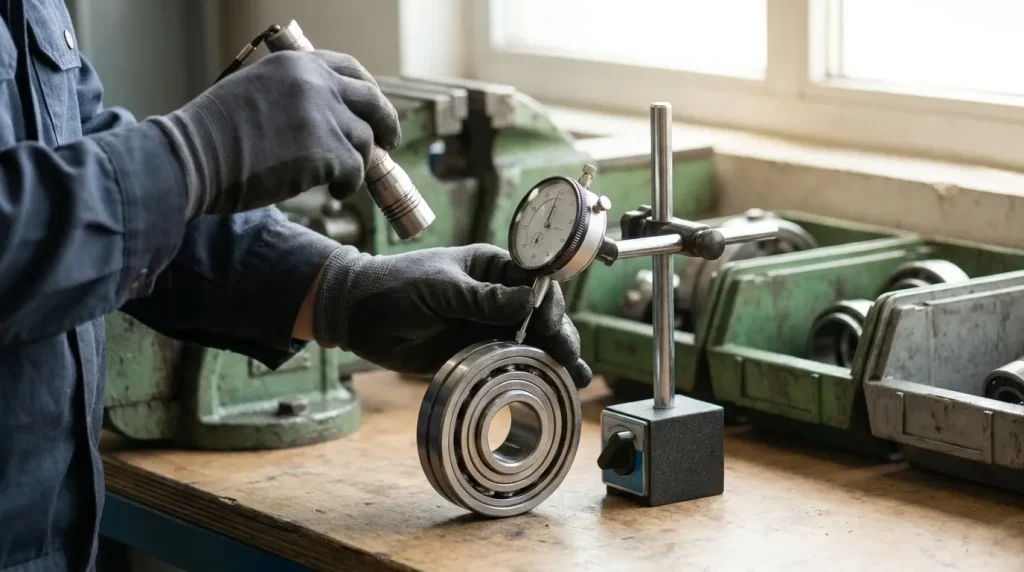
- Check alignment with dial indicators, keeping misalignment below 0.002 in (0.05 mm)
- Pre-lubricate bearings according to manufacturer specifications before first operation
Misalignment alone can increase load stress by more than 20%, reducing lubrication film strength and accelerating wear according to BearingNews. This underscores why precision during installation directly influences bearing service life.
What Records Should Be Kept for Effective Predictive Maintenance?
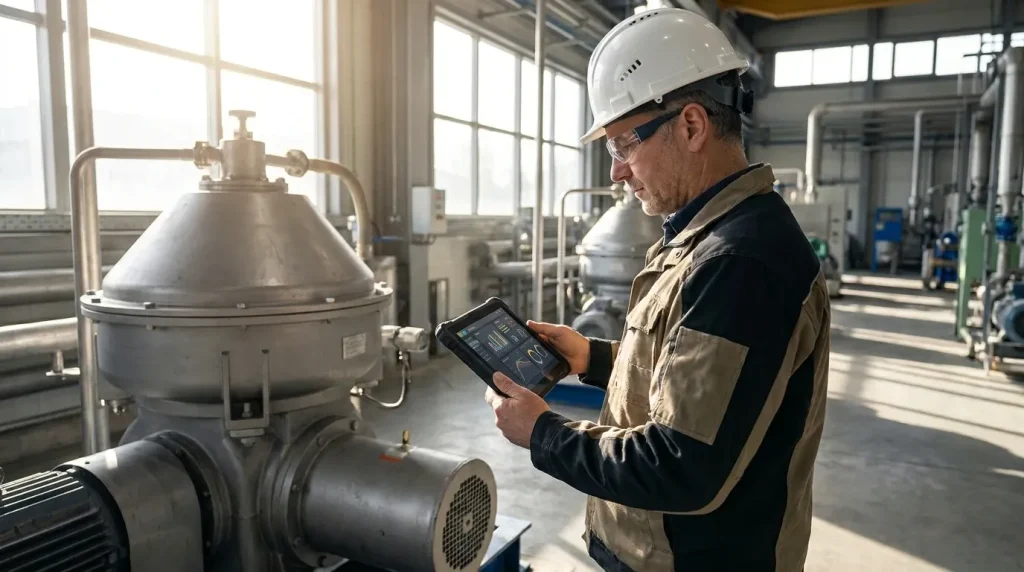
The records that should be kept for effective predictive maintenance include operational data, inspection findings, and trend analysis documentation. According to ScienceDirect, the most common technologies used in predictive maintenance of rotating equipment are infrared thermography, ultrasound analysis, and motor current signature analysis.
Essential documentation includes:
- Vibration readings referenced against ISO 10816-3 thresholds of 0.16 in/sec peak (2.8 mm/sec RMS)
- Temperature logs with timestamps, noting deviations from baseline temperatures
- Lubrication dates, quantities, and lubricant types used
- Inspection photographs showing bearing condition at each service interval
- Operating hours accumulated since last replacement
What Preventive Measures Reduce the Frequency of Bearing Replacement?
Preventive measures that reduce the frequency of bearing replacement include scheduled lubrication, vibration monitoring, and environmental controls. Proven preventive measures include:
- Relubricate at intervals adjusted for temperature; above 80°C (176°F), intervals shorten to around two-thirds for every 10°C (18°F) increase
- Install filtration systems to prevent abrasive contamination in lubrication oil
- Conduct quarterly vibration analysis to detect degradation before failure
- Maintain proper belt tension and gearbox oil levels
- Train operators to recognize early warning signs such as unusual noise or temperature spikes
Investing in these preventive protocols costs far less than emergency repairs and unplanned downtime, making proactive maintenance the most economical long-term strategy.
With best practices established, sourcing quality centrifuge equipment becomes the next consideration for maintaining reliable operations.
How Should You Approach Centrifuge Bearing Maintenance and Replacement Through Used and Refurbished Process Equipment Sourcing?
The sections below explain how International Process Plants supports industrial applications and summarize the key maintenance takeaways from this article.
Can International Process Plants Help with Acquiring Quality-Certified Centrifuges and Bearings for Industrial Applications?
Yes, International Process Plants can help with acquiring quality-certified centrifuges for industrial applications. With over 46 years of experience and more than 15,000 pieces of equipment in inventory across warehouses in Eastover, South Carolina (US), Germany, and the United Kingdom, we specialize in new surplus and quality used process equipment for chemical, pharmaceutical, and industrial operations among others.
For facilities managing bearing maintenance across multiple centrifuges, sourcing quality used equipment offers a practical alternative to extended lead times on new units. We serve our customers with offices across 15 countries, ensuring equipment specifications meet both imperial and metric standards for global operations.
What Are the Key Takeaways About Centrifuge Bearing Maintenance and Replacement Intervals We Covered?
The key takeaways about centrifuge bearing maintenance and replacement intervals are:
- Many decanter centrifuge manufacturers recommend replacing main bearings at approximately 15,000 operating hours as part of preventive maintenance, though appropriate intervals vary by manufacturer.
- Temperature monitoring detects moderate cavitation and triggers maintenance before failure occurs
- Vibration levels should remain below 0.16 in/sec (2.8 mm/sec RMS) peak under ISO 10816-3 guidelines
- Gearbox oil levels and belt tension are commonly inspected at intervals around every six months or 1,000 hours
- Infrared thermography, ultrasound analysis, and motor current signature analysis represent common predictive maintenance technologies
Implementing these practices reduces unplanned downtime and extends bearing service life. When replacement becomes necessary, International Process Plants offers high-quality used and unused industrial centrifuges engineered for demanding process applications, with equipment available to meet applicable industry standards, regulatory requirements, and project-specific compliance requirements for immediate deployment.

 PT
PT  EN
EN  ES
ES  FR
FR  PL
PL  DE
DE  AR
AR  UR
UR  HI
HI  NL
NL  TR
TR  IT
IT  UK
UK  RU
RU  JA
JA  ZH
ZH