 Skip to content
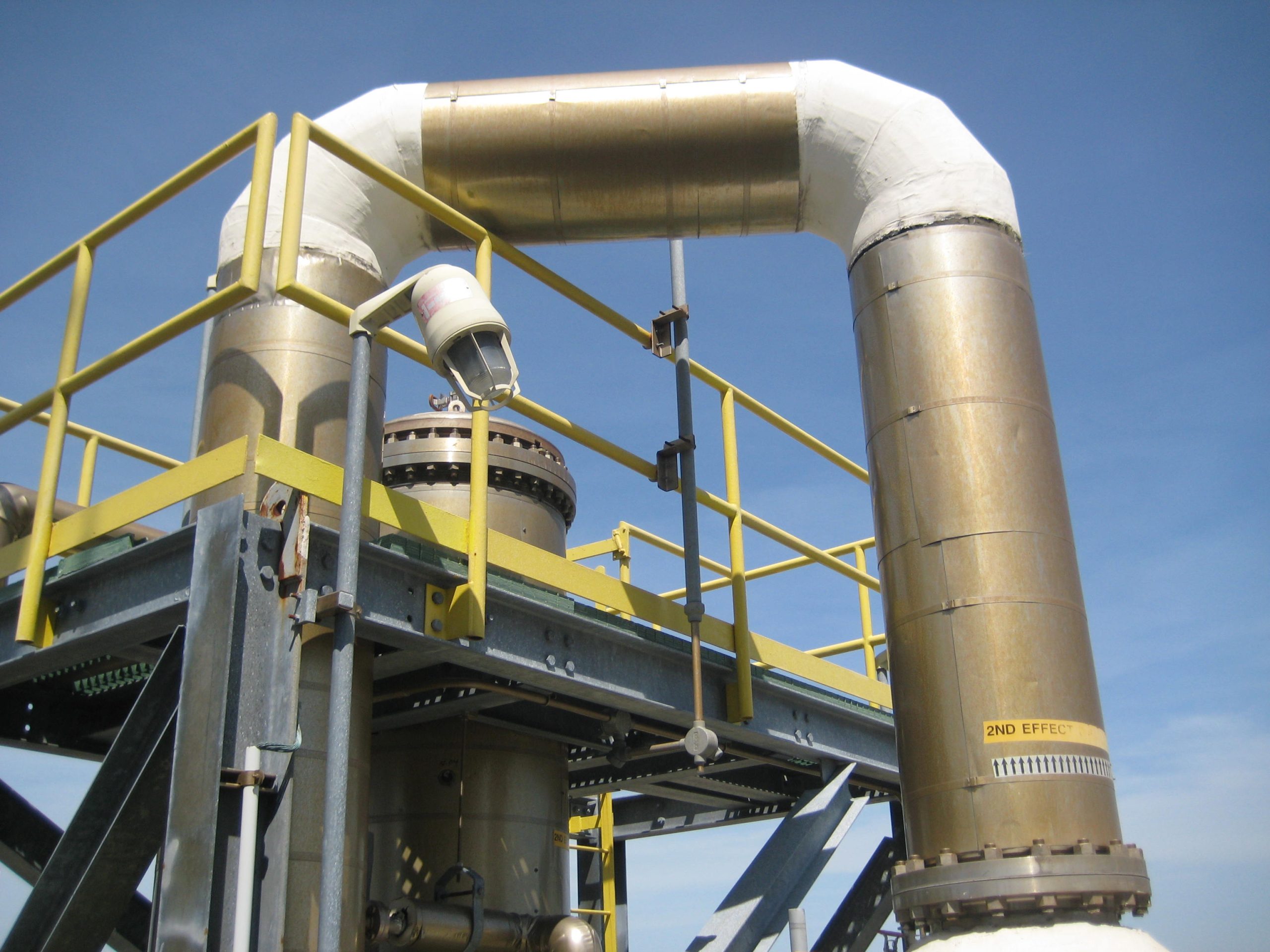
Used and surplus heat exchangers from IPP for process heating and cooling, including shell-and-tube and other configurations.
Buy used, surplus & second-hand heat exchangers from IPP – ready to ship
When you need a heat exchanger in stock, you’re usually fighting a timeline: a retrofit window, a debottleneck project, or a plant restart. IPP has helped manufacturers for more than 47 years, with 20 complete plant sites and 15,000+ pieces of equipment available. Visit www.internationalprocessplants.com to start sizing options that can ship now.
Heat exchangers sit quietly in the background until they don’t. Fouling, corrosion or undersized duty can cap throughput, drive energy costs up, or destabilize temperature control in critical steps.
If you want a quick refresher on fundamentals, this overview of a heat exchanger explains the basics before you compare designs like shell-and-tube, plate-and-frame and specialty configurations.
IPP’s in-stock options often include common industrial standards and MOCs that work across chemicals, pharma, polymers and food processing. When a process calls for a fully tailored build, GPS can support new and custom-fabricated exchanger solutions.
What buyers should confirm first
Start with duty and constraints: required heat load, approach temperature, allowable pressure drop, fouling factor and materials compatibility. These are the details that determine whether a used exchanger is a clean fit or a compromise.
Common materials and why they matter
Stainless steel is common for broad chemical compatibility. Alloys come into play with chlorides, acids or aggressive services. Carbon steel can be cost-effective in benign duties but needs diligence on corrosion allowance.
Key features buyers look for
- Duty and sizing: heat load, UA assumptions and temperature program
- Configuration: shell-and-tube, plate-and-frame and specialty designs based on fluids and fouling tendency
- Pressure and temperature rating: confirm nameplate data and design limits
- Materials: stainless, carbon steel, titanium or alloys depending on corrosion risk
- Serviceability: cleaning access, bundle pull requirements and spare gasket availability
- Compare options quickly in IPP’s heat exchanger inventory and filter by type and MOC.
If thermal performance is limiting throughput, don’t let exchanger lead times dictate your schedule. Share your duty, fluids and constraints via IPP’s contact page, and we’ll help you shortlist in-stock options or route you to GPS for a custom build when that’s the smarter move.
FAQs about heat exchangers in stock: fix thermal bottlenecks fast
What types of heat exchangers does IPP typically have in stock?
IPP’s inventory often includes shell-and-tube exchangers and other common industrial configurations. Availability varies based on incoming assets.
How do I know a used exchanger will meet my duty?
Start with your required heat load, temperatures, pressure drop limits and fouling assumptions, then review nameplate data and available drawings.
Can IPP help with retrofit fit-up questions?
Yes. Share nozzle layout, footprint constraints and installation details so IPP can help identify compatible options.
What materials are common in in-stock exchangers?
Stainless steel is common, along with carbon steel and a range of alloys depending on service and corrosion risk.
Can IPP provide a new exchanger if used inventory isn’t a fit?
Yes. GPS can support new and custom exchanger solutions when your process requires a tailored design.
Where can I find more FAQs?
Visit https://internationalprocessplants.com/more/#ipp_faq for additional answers.
Read more:

In-stock heat exchangers can remove thermal bottlenecks quickly, improving control, uptime and energy performance.

 EN
EN  ES
ES  FR
FR  PL
PL  DE
DE  AR
AR  UR
UR  HI
HI  NL
NL  TR
TR  IT
IT  UK
UK  RU
RU  JA
JA  PT
PT  ZH
ZH