المقالات2025-11-10T16:09:05-05:00

المقالات

  • What Are the Key Differences Between Conduction, Convection, and Radiation Drying?

    Conduction, convection, and radiation drying are three industrial heat transfer mechanisms that differ in how thermal energy reaches wet material: direct surface contact, moving hot [...]

  • How Does a Freeze Dryer Work and What Is the Lyophilization Process?

    A freeze dryer removes water from a frozen product under vacuum, allowing ice to sublimate directly from solid to vapor without passing through a liquid [...]

  • How Does a Fluid Bed Dryer Work? A Complete Process Guide

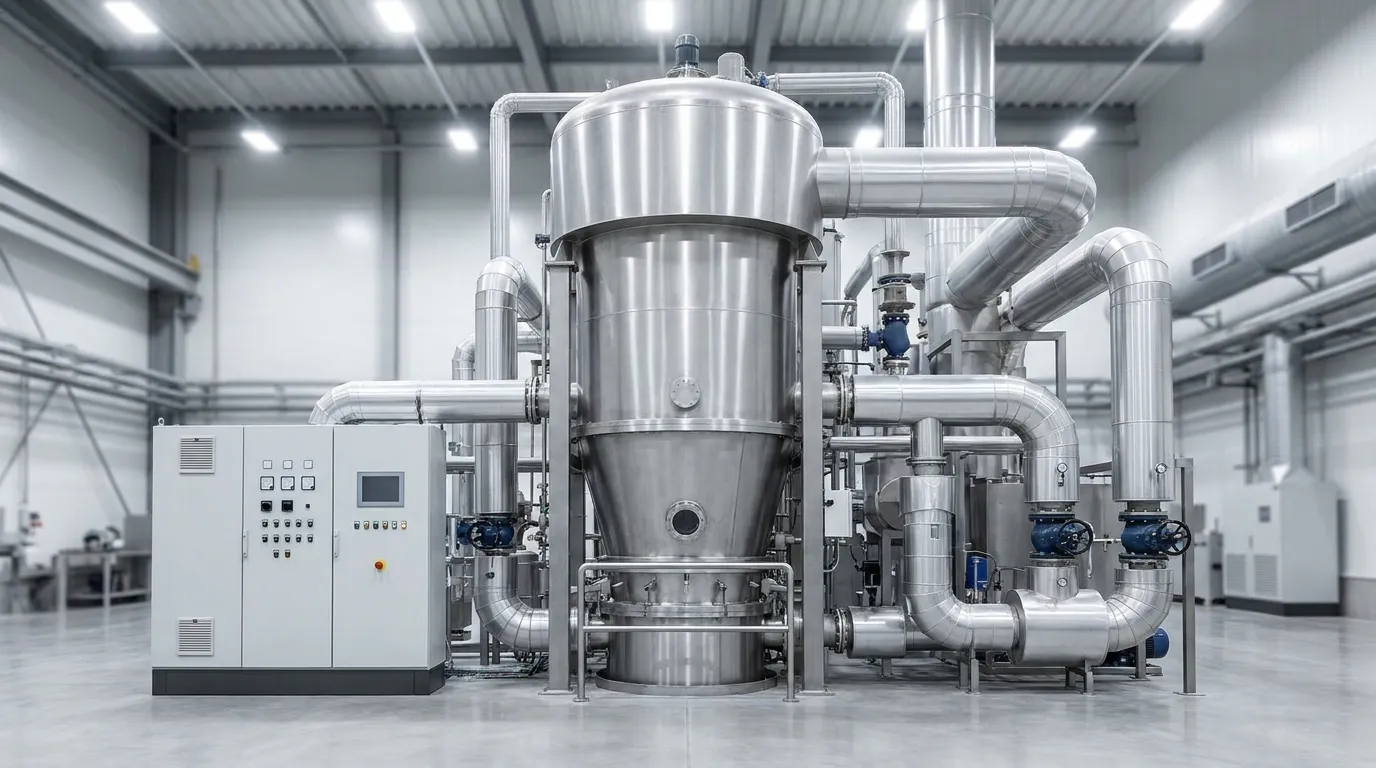
    A fluid bed dryer is a drying machine that suspends solid particles in a stream of heated gas to remove moisture through convective evaporation. The [...]

  • How Does a Pressure Leaf Filter Work, and What Are Its Main Processes, Components, and Industrial Applications?

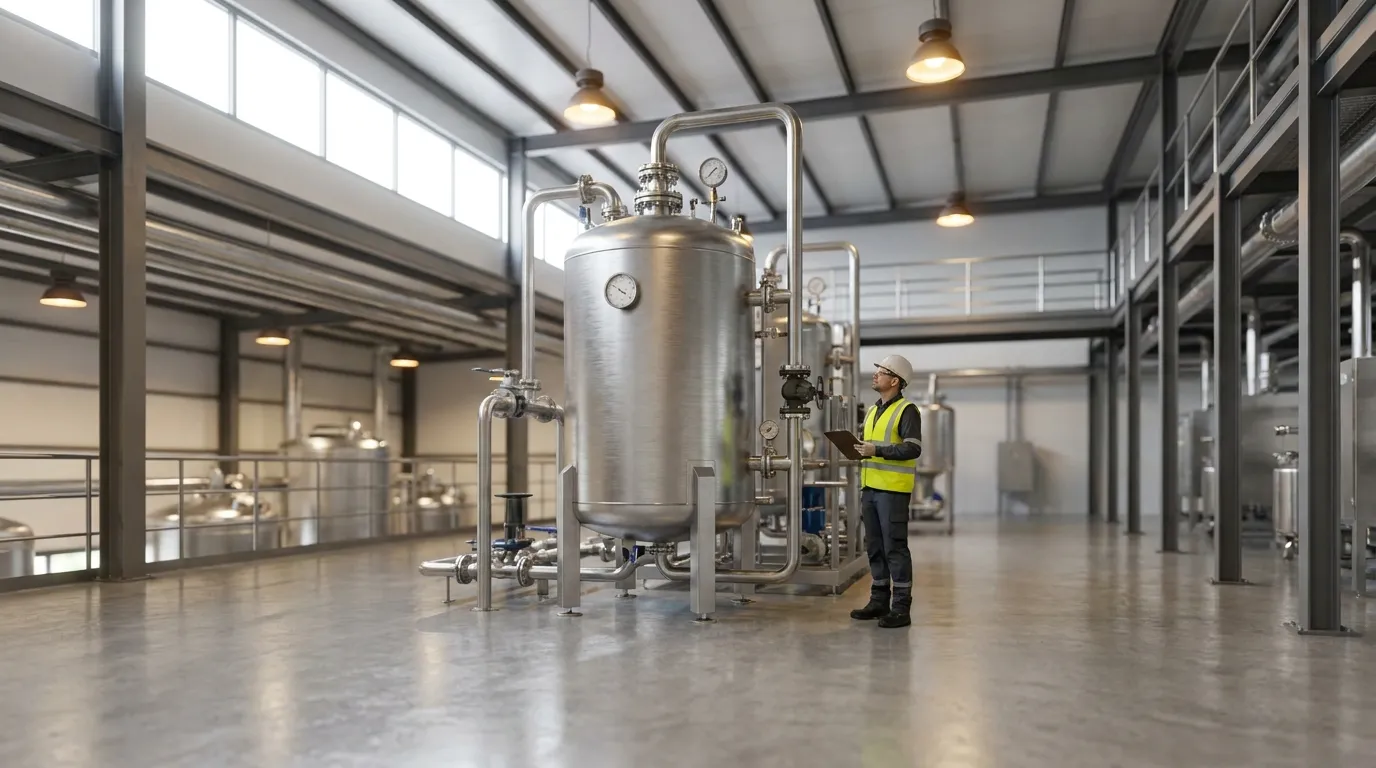
    A pressure leaf filter is a liquid filtration system that uses stacked filter elements inside a pressure vessel to separate solids from liquids through cake [...]

  • How a Nutsche Filter Works: ANFD Design, Process Steps, and Industrial Applications

    A Nutsche filter is a closed batch vessel that performs solid-liquid separation by driving slurry through a filter plate under vacuum or pressure, retaining solids [...]

  • What Is the Step-by-Step Procedure for Safe Centrifuge Commissioning and Start-Up?

    Centrifuge commissioning is a quality control procedure that verifies all mechanical, electrical, and control systems function correctly before process materials enter rotating equipment. Proper commissioning [...]

  • What Is Industrial Filtration and How Does It Work in Industrial Processes?

    Industrial filtration is the process of forcing a fluid through a physical or chemical barrier to separate solid particles, impurities, or contaminants from the stream. [...]

  • When Should You Retire a Centrifuge Instead of Rebuilding It?

    A centrifuge retirement decision hinges on whether repair costs, component availability, and compliance requirements favor continued investment or capital reallocation toward replacement equipment. This guide [...]

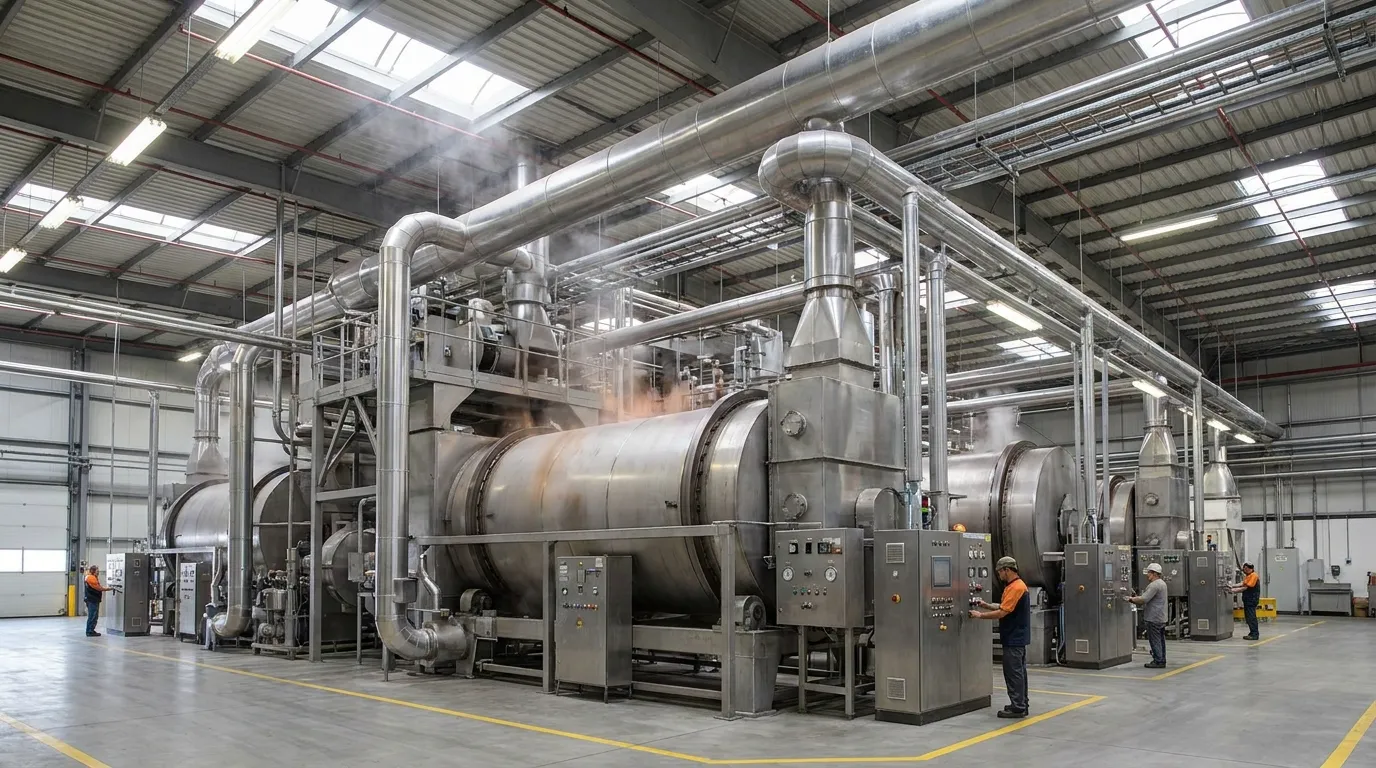
  • What Is Industrial Drying and What Are the Main Types of Industrial Dryers?

    Industrial drying is a unit operation that removes moisture from wet solids, solutions, or gases using thermal energy and airflow. It is one of the [...]

  • When Should You Replace a Glass-Lined Reactor and What End-of-Life Warning Signs Should You Watch For?

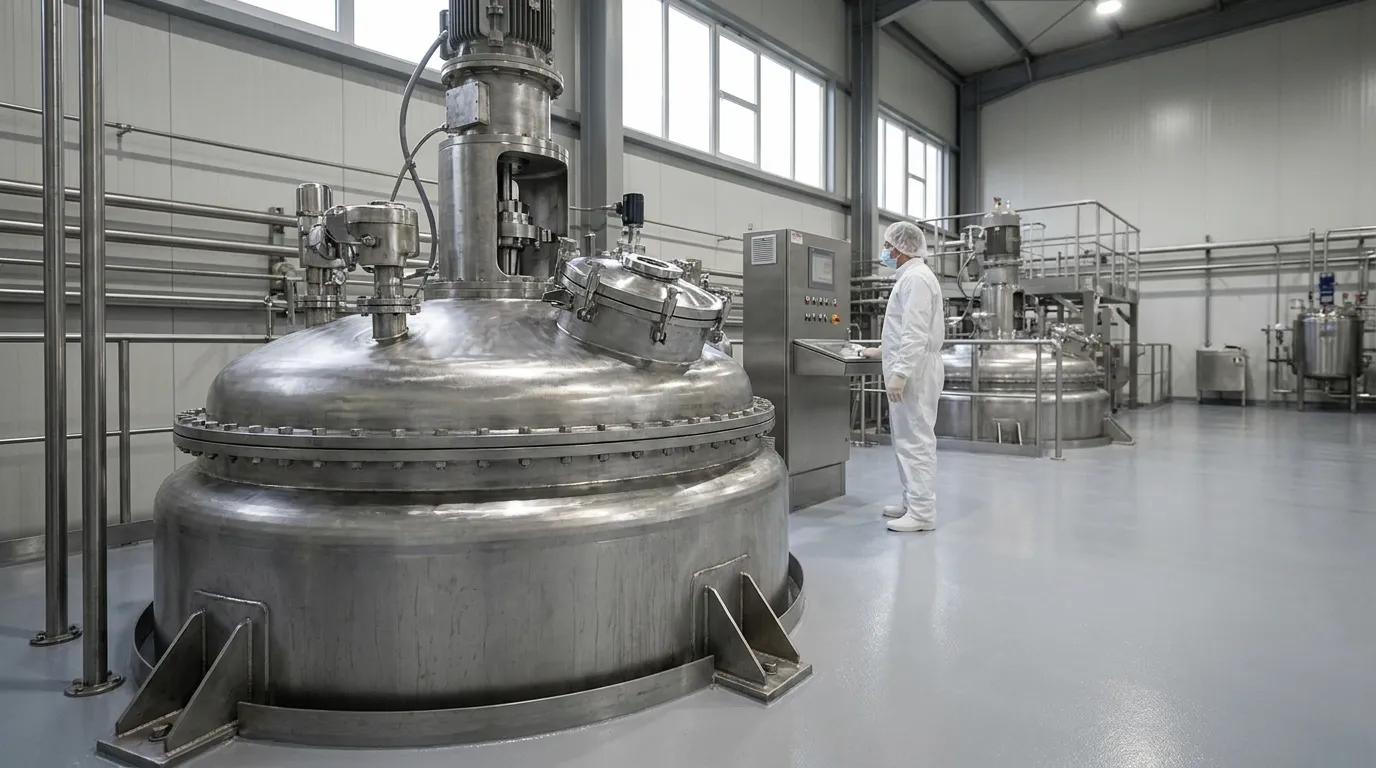
    A glass-lined reactor reaches end of life when its vitreous enamel coating can no longer prevent process chemicals from contacting the steel substrate. Replacement becomes [...]

  • What Is Discontinuity and Spark Testing for Glass-Lined Reactors and Why Is It Important?

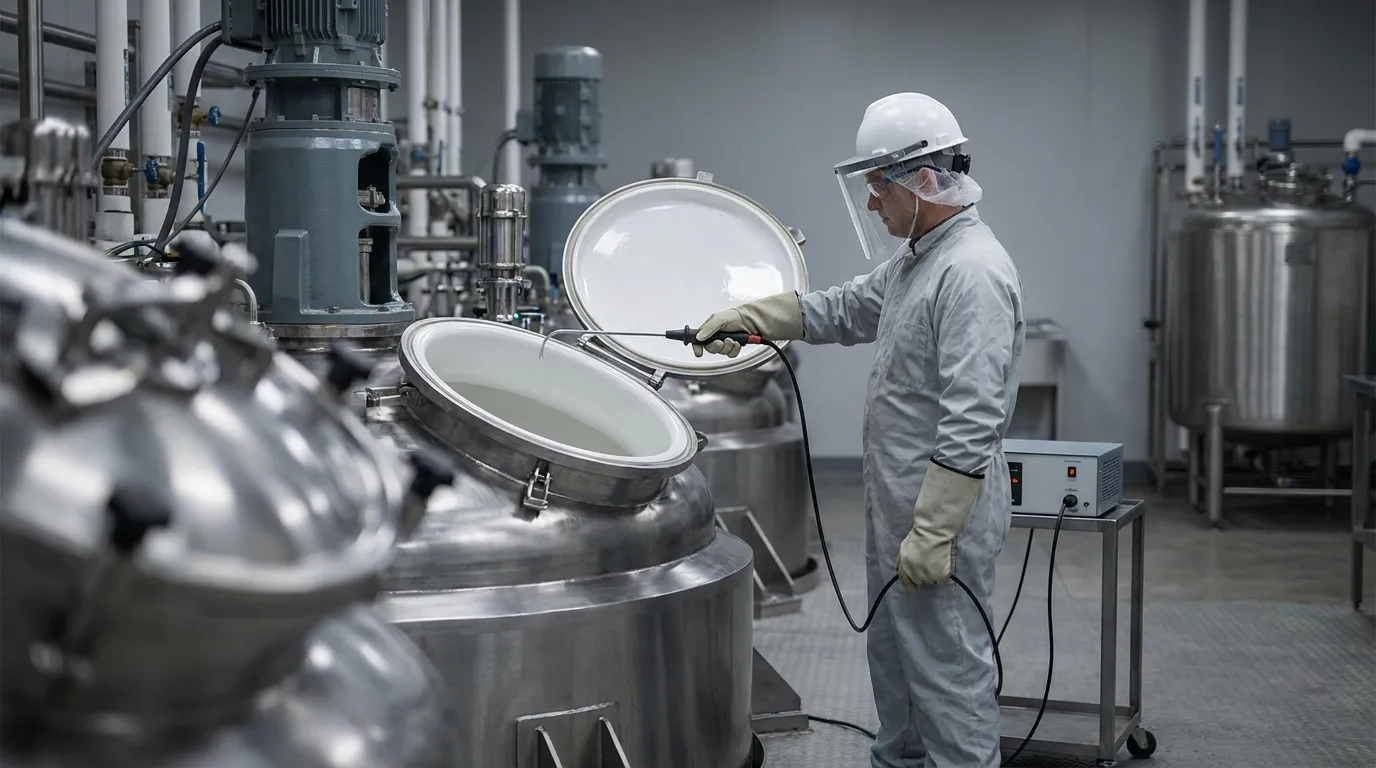
    Discontinuity and spark testing is a voltage-based inspection method that detects pinholes, chips, cracks, and weak spots in the glass enamel lining of chemical reactor [...]

  • What Is Reactor Commissioning and Qualification and Why Are IQ, OQ, and PQ Essential?

    Reactor commissioning and qualification is the structured process of verifying that a reactor is correctly installed, operates within all anticipated ranges, and performs consistently under [...]

  • What Are the Best Practices for Safe Reactor Cleaning and CIP Procedures?

    Reactor cleaning and clean-in-place (CIP) procedures are validated methods for removing process residues from reactor vessels to maintain product purity, operator safety, and regulatory compliance. [...]

  • What Are the Most Common Glass-Lined Reactor Failures, Including Chips, Cracks, and Discontinuities?

    Glass-lined reactor failures are defects in the fused-glass coating that protects a steel vessel's interior from corrosive process chemicals. Chips represent localized material loss from [...]

  • What Should You Know About Reactor Maintenance Schedules and Inspection Intervals?

    A reactor maintenance schedule is a structured program of preventive tasks, condition-based monitoring, and periodic inspections designed to keep process reactor vessels operating safely within [...]

  • What Are the Best Practices for Dryer Cleaning Between Product Changeovers?

    Dryer cleaning between product changeovers is the validated process of removing all residues from industrial drying equipment before introducing a new product batch. This procedure [...]

  • What Should You Know About Rotary Dryer Flight Wear and Seal Replacement?

    Rotary dryer flight wear and seal replacement is the process of identifying degraded lifting flights and compromised drum seals, then systematically removing and installing new [...]

  • What Is the Best Way to Clean Fluid Bed Dryer Plates and Distributors?

    The best way to clean fluid bed dryer plates and distributors combines proper preparation, appropriate cleaning methods matched to residue type, and verified inspection protocols [...]

  • What Is the Best Way to Maintain Spray Dryer Atomizers and Nozzles?

    The best way to maintain spray dryer atomizers and nozzles is through systematic preventive care that combines daily inspections, proper cleaning protocols, and timely component [...]

  • What Are the Best Dryer Types for Heat-Sensitive Products?

    The best dryer types for heat-sensitive products are vacuum dryers, freeze dryers (lyophilizers), fluid bed dryers, and spray dryers, each designed to remove moisture at [...]

  • How Do You Select the Right Dryer for Powders, Pastes, Slurries, and Crystals?

    Dryer selection is the process of matching a drying technology to a product's physical form, moisture profile, thermal limits, and throughput requirement. The right choice [...]

  • How Do You Size an Industrial Dryer for Your Specific Application?

    Sizing an industrial dryer means matching equipment capacity, heat load, and residence time to the material, moisture, and throughput of a specific process. Correct sizing [...]

  • What Are the Different Types of Vacuum Dryers and How Do Conical, Double Cone, Pan, and Paddle Dryers Compare?

    A vacuum dryer is a process vessel that removes moisture or solvents from materials by lowering internal pressure below atmospheric level. Reduced pressure lowers the [...]

  • How Do You Choose Between a Rotary Dryer and a Belt Dryer for Continuous Drying?

    A continuous dryer is a process unit that removes moisture from solids in a steady, uninterrupted flow, and the choice between a rotary dryer and [...]

  • What Should You Know About Centrifuge Materials of Construction: 316 Stainless Steel, Hastelloy, and Duplex?

    Centrifuge materials of construction are the specific alloys and metals used to fabricate centrifuge bowls, rotating components, and wetted components that contact process fluids during [...]

  • What Are the Key Differences Between Freeze Drying and Vacuum Drying?

    Freeze drying and vacuum drying are two reduced-pressure methods for removing moisture from materials, distinguished by how they extract water: freeze drying sublimates ice from [...]

  • Spray Dryer vs. Fluid Bed Dryer: Which Drying System Should You Choose?

    Spray dryers and fluid bed dryers are convective drying systems that differ in feed type, drying mechanism, and product form. Spray dryers atomize liquid feeds [...]

  • What Is Dryer Commissioning, IQ/OQ/PQ, and Validation in Process Industries?

    Dryer commissioning, IQ/OQ/PQ, and validation in process industries is the systematic approach to verifying that drying equipment is properly installed, operates within design parameters, and [...]

  • What Is an Effective Freeze Dryer Maintenance Schedule and Why Does Lyophilizer Service Matter?

    A freeze dryer maintenance schedule is a structured program of inspections, service tasks, and component replacements designed to preserve lyophilizer performance, ensure sterility compliance, and [...]

  • What Are the Best Practices and Inspection Tips for Vacuum Dryer Pump Maintenance?

    Vacuum dryer pump maintenance is the systematic practice of inspecting, lubricating, and servicing vacuum pumps to prevent failures and ensure consistent drying performance in chemical, [...]

  • How Can You Troubleshoot Dryer Temperature and Humidity Control Issues?

    Dryer temperature and humidity control troubleshooting is the systematic process of diagnosing and correcting faults in industrial drying systems that prevent accurate thermal and moisture [...]

  • What Are the Key cGMP Requirements for Pharma Centrifuge Design and Compliance?

    cGMP requirements establish expectations for equipment suitability, documentation, maintenance, cleaning, and validation to help ensure drug product safety and quality in the pharmaceutical industry. This [...]

  • How Do G-Force, RPM, and Centrifuge Size Affect Centrifuge Performance?

    G-force, RPM, and centrifuge size parameters (such as bowl diameter where applicable) are three interdependent parameters that influence centrifuge separation efficiency, throughput capacity, and equipment [...]

  • How Do You Size a Centrifuge for Your Application?

    Sizing a centrifuge for your application requires matching separation capacity to your specific feed characteristics, throughput demands, and process requirements. Proper sizing ensures efficient solid-liquid [...]

  • What Are the Key Differences Between Auto-Discharge Bottom and Manual-Discharge Top Basket Centrifuges?

    Auto-discharge bottom and manual-discharge top basket centrifuges are two distinct solid-liquid separation systems that differ primarily in how they remove filtered solids from the rotating [...]

  • What Are the Key Differences, Applications, and Selection Tips for Peeler vs. Pusher Centrifuges?

    A peeler centrifuge is a batch-operated filtration system that uses a horizontal rotating basket and mechanical knife to separate solids from liquids, while a pusher [...]

  • When and Why Should You Use an Inverting Filter Centrifuge?

    An inverting filter centrifuge is a horizontal filtering centrifuge that uses a cloth-inversion mechanism to achieve complete, heel-free solids discharge without mechanical scraping. This design [...]

  • Basket vs. Decanter Centrifuge: Which Should You Choose?

    Basket and decanter centrifuges are two distinct solid-liquid separation technologies that use centrifugal force to isolate solids from liquids, with basket types employing filtration through [...]

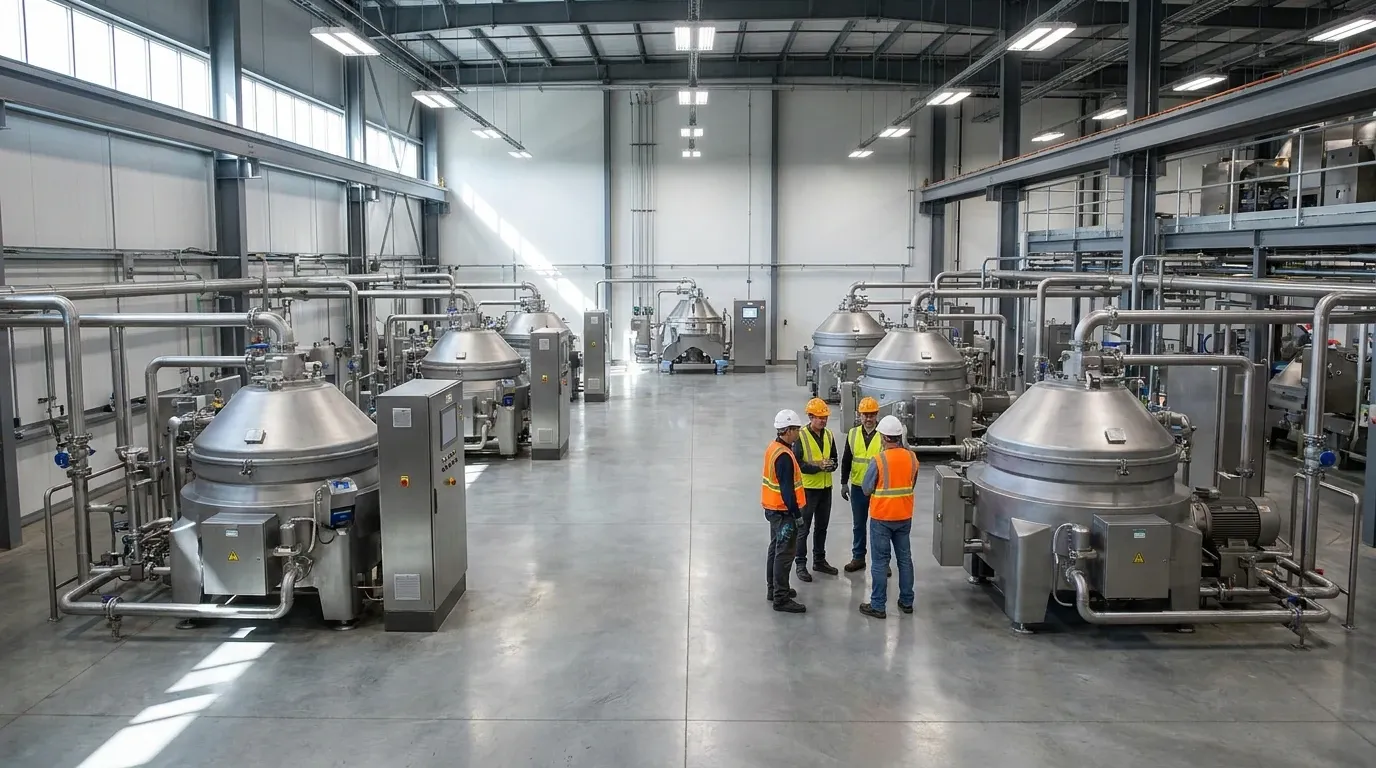
  • What Are the Key Differences Between Disc Stack and Decanter Centrifuges?

    Disc stack and decanter centrifuges are two distinct separation technologies designed for different feed characteristics and throughput requirements. Disc stack centrifuges use high-speed spinning conical [...]

  • How Does a Decanter Centrifuge Work? Process, Applications, and Benefits

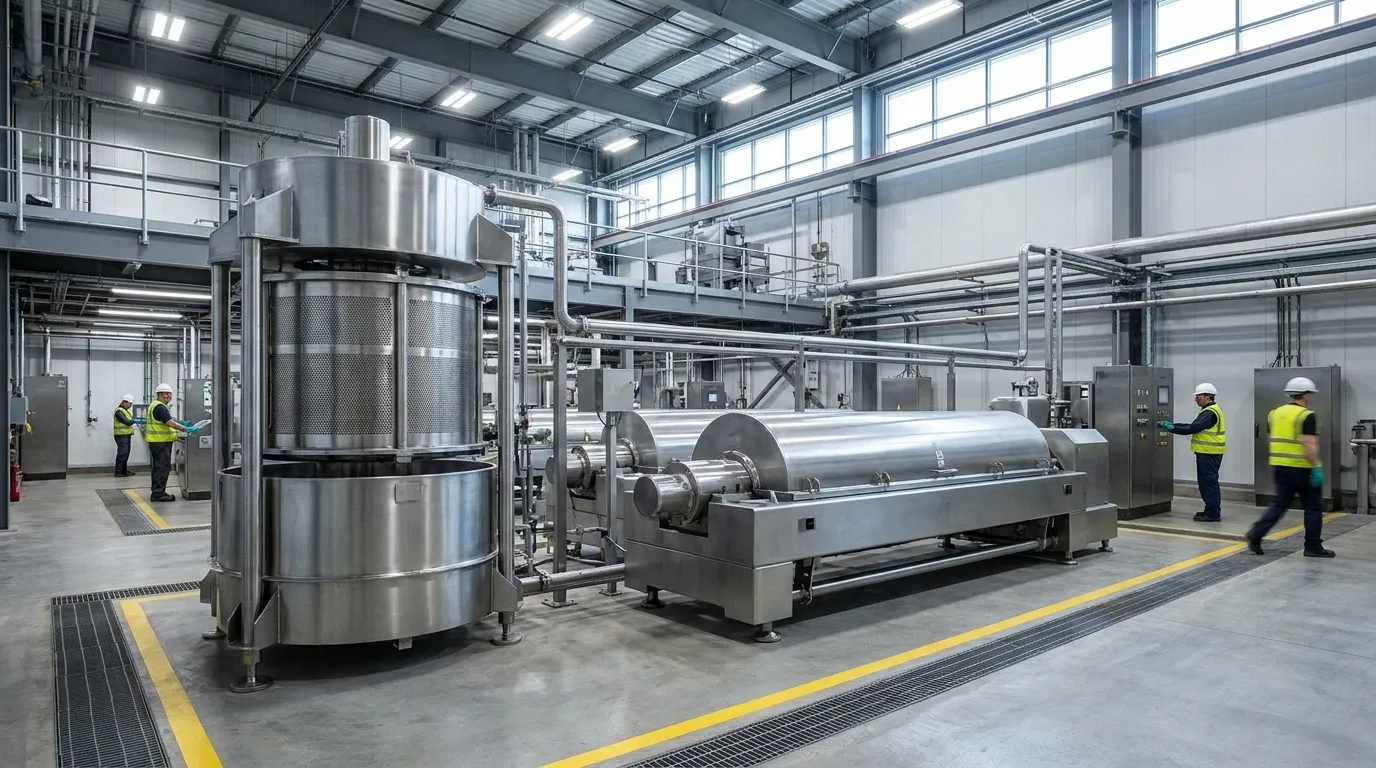
    A decanter centrifuge is a machine that separates solid material from liquids through continuous high-speed rotation. Also called a horizontal bowl centrifuge or scroll centrifuge, [...]

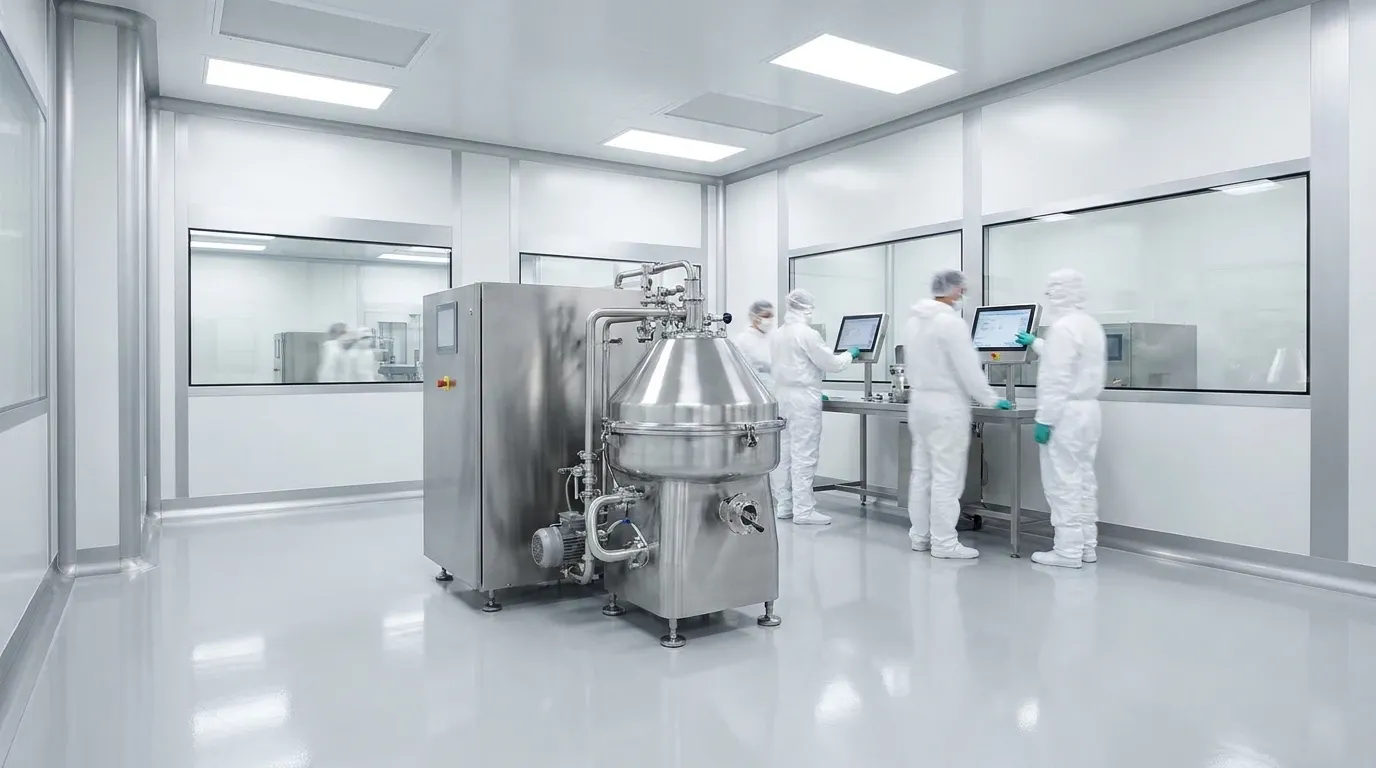
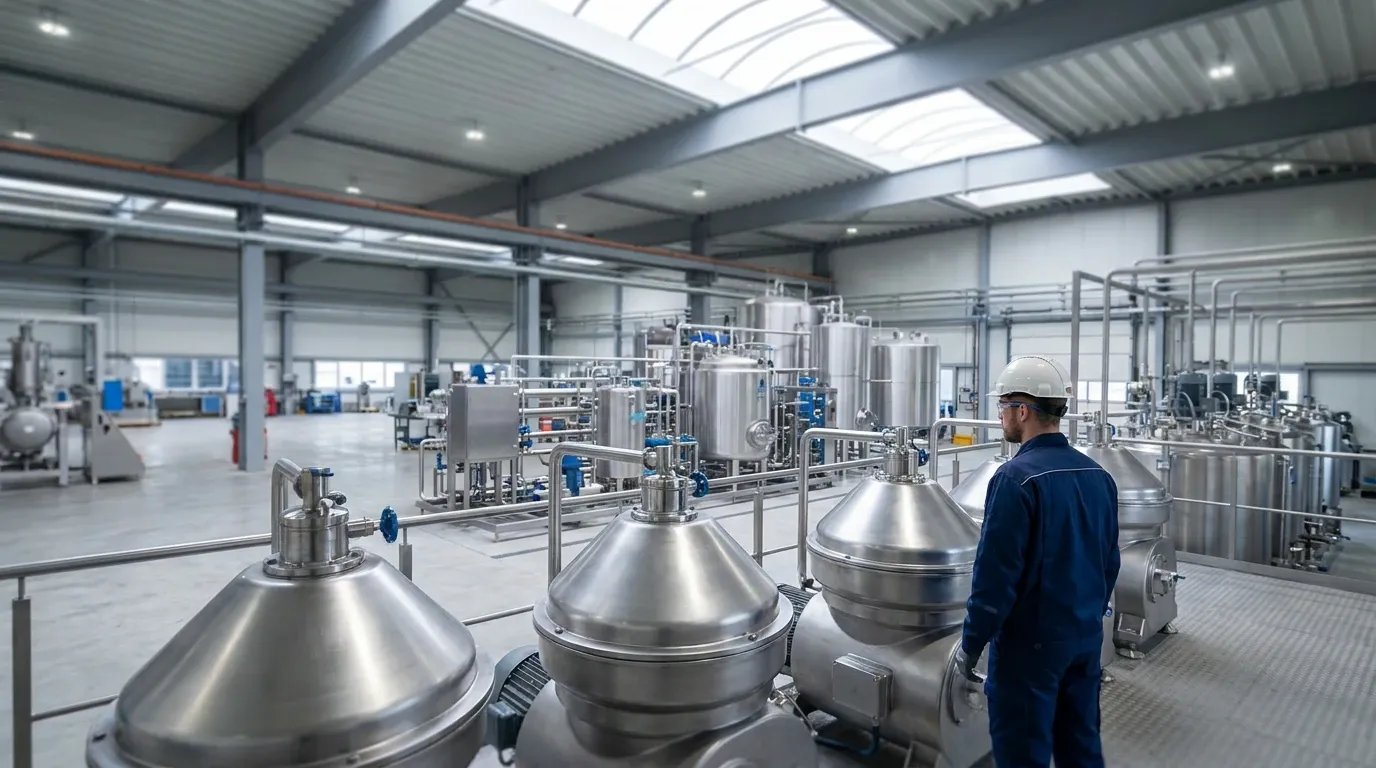
  • How Does a Disc Stack Centrifuge Work? Disc Bowl Process Explained

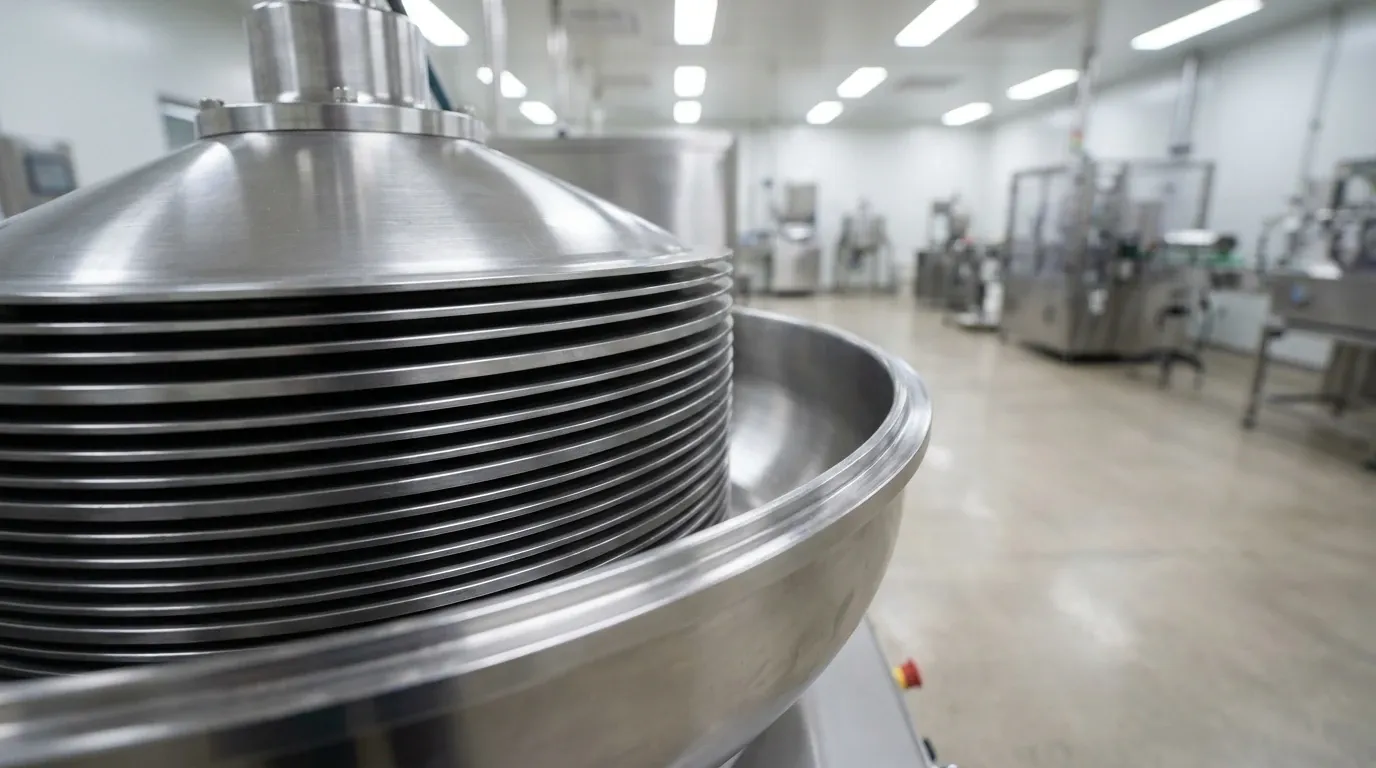
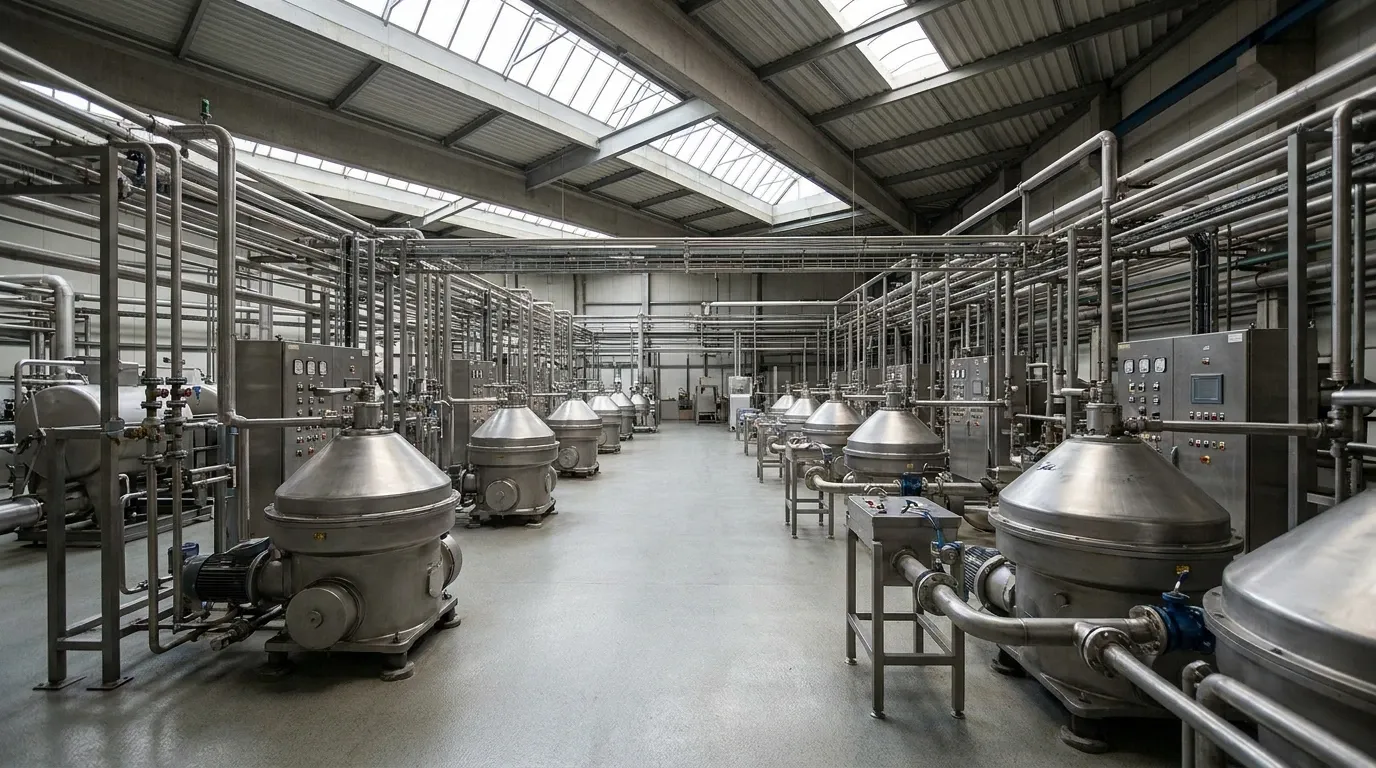
    A disc stack centrifuge is a high-speed separation device that uses centrifugal force combined with stacked conical discs to separate liquids from solids or two [...]

  • How Does a Basket Centrifuge Work? Process and Applications Explained

    A basket centrifuge is a rotating separation device that uses centrifugal force to separate solids from liquids by spinning a perforated or solid cylindrical basket [...]

  • What Should You Know About Decanter Centrifuge Scroll Wear Inspection, Its Signs, Causes, and Maintenance Steps?

    A decanter centrifuge scroll is the helical conveyor inside the rotating bowl that transports separated solids toward discharge, and its wear directly reduces separation efficiency, [...]

  • How Can You Achieve Reliable Separation Performance Through Proper Disc Stack Centrifuge Cleaning and CIP?

    Disc stack centrifuge cleaning and CIP (clean-in-place) refers to the systematic removal of residues and biological material from centrifuge internals to maintain separation efficiency and [...]
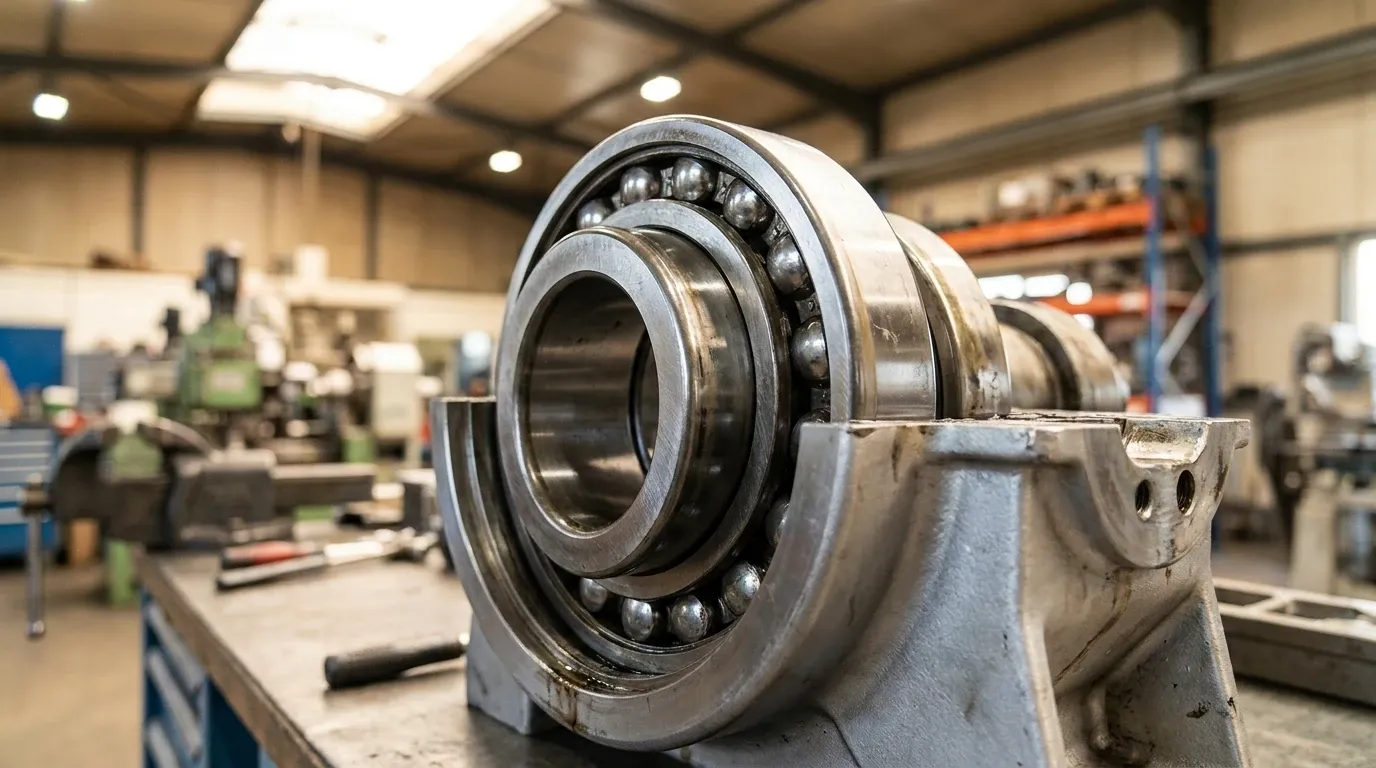
  • How Can You Determine Optimal Maintenance and Replacement Intervals for Centrifuge Bearings?

    Optimal maintenance and replacement intervals for centrifuge bearings are determined by analyzing process conditions, monitoring warning indicators, following lubrication protocols, and applying predictive maintenance technologies. [...]
  • What Are the Most Common Centrifuge Vibration Problems and How Can You Fix Them?

    Centrifuge vibration problems are mechanical disturbances that can be caused by rotor imbalance, shaft misalignment, bearing wear, and structural resonance that disrupt smooth rotation and [...]
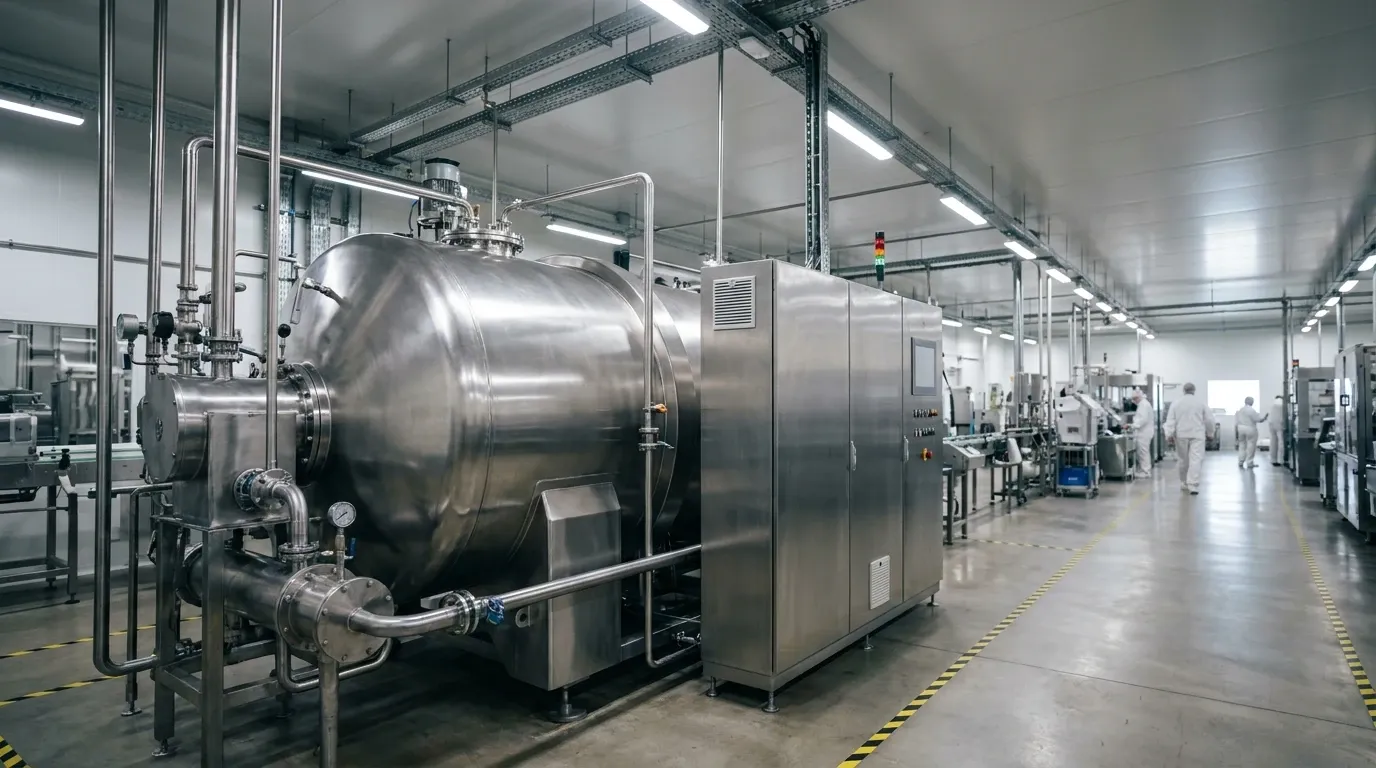
  • Centrifuge Bowl Inspection and Balance Checking: A Practical Maintenance Guide

    Centrifuge bowl inspection and balance checking is the systematic process of examining centrifuge bowls for wear, damage, and corrosion while verifying that mass distribution keeps [...]
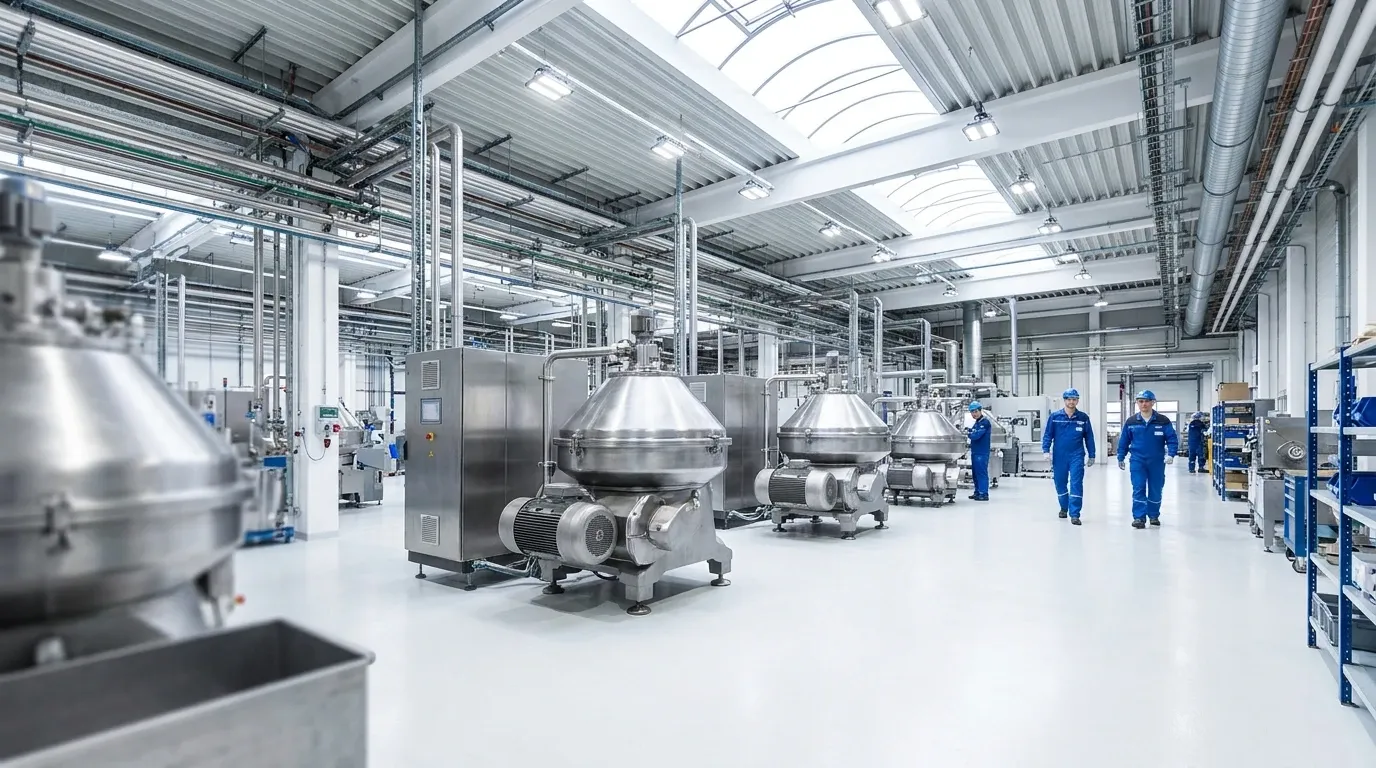
  • What Is an Industrial Mixer and What Are the Main Types?

    An industrial mixer is process equipment that induces relative physical motion between ingredients to achieve a desired spatial distribution of concentration, creating homogeneous blends of [...]
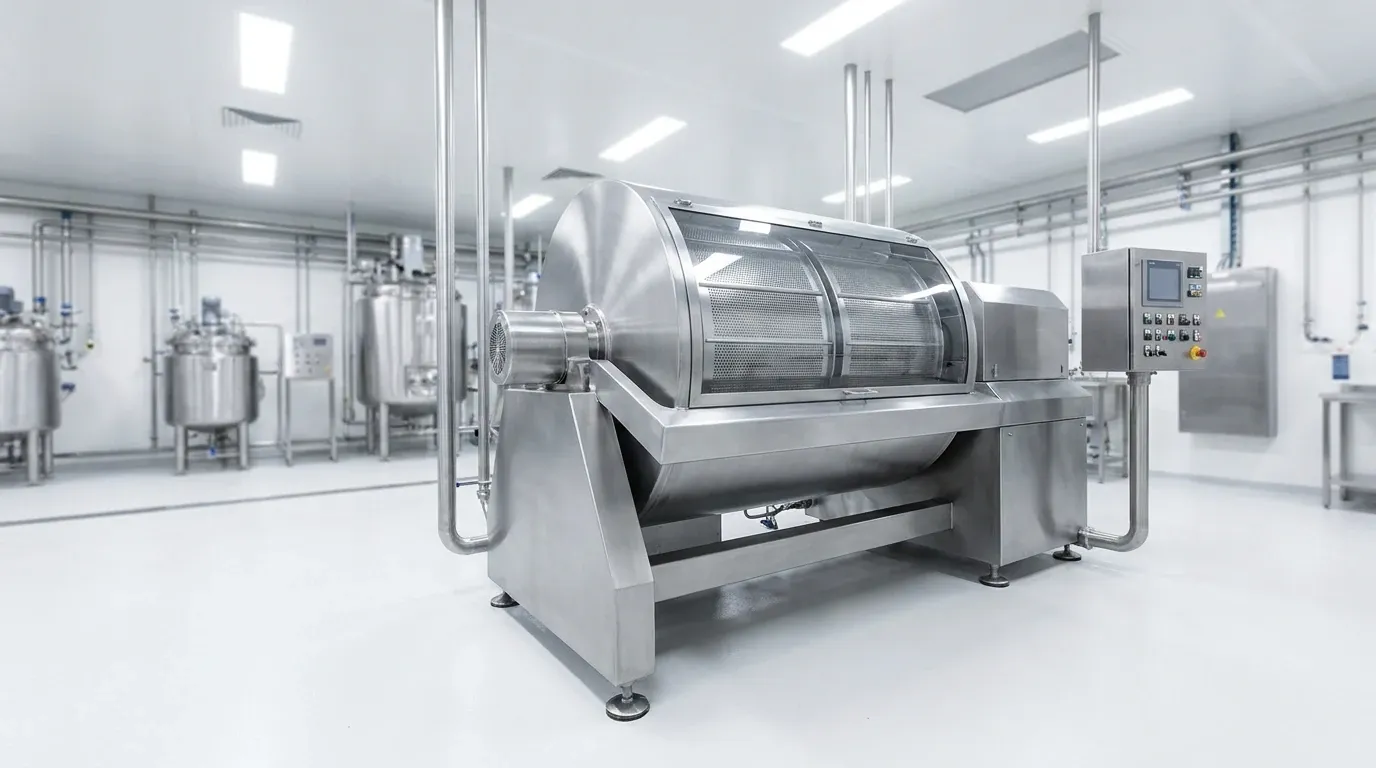
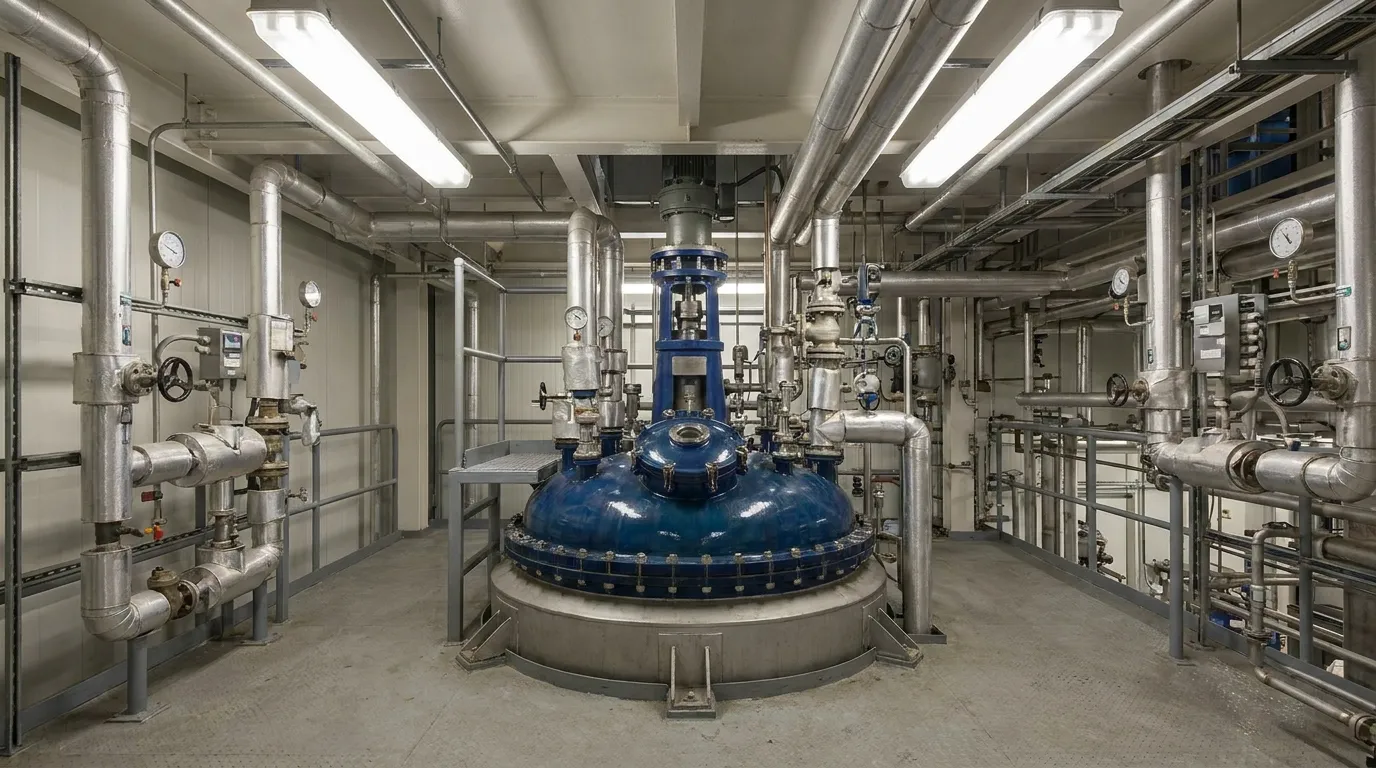
مفاعل مستعمل للبيع مبطن بالزجاج

الأسئلة الشائعة

كيف يعمل الشحن؟2024-02-13T05:41:39-05:00

نحن نقدم عدة خيارات للشحن، بما في ذلك الشحن الدولي. إذا اختار العميل ذلك، فيمكنه ترتيب الشحن بنفسه.

ماذا عن المعدات المستعملة؟ من أين تحصل عليها؟2024-02-13T05:41:25-05:00

يأتي حوالي 98% من معداتنا المستعملة من عمليات تصفية المصانع حيث يُطلب منا عدم بيع الأنظمة أو المصانع بالكامل مرة أخرى في السوق. تأتي مخزوناتنا من تلك القطع التي لم تُبع في الموقع ولكنها لا تزال ذات قيمة كبيرة.

ما هي الفوائد التي تعود على الشركات من شراء النباتات المستعملة؟2024-02-13T05:41:10-05:00

إن شراء مصنع كامل لنقله سيوفر للشركة حوالي 70% من تكاليف المعدات الجديدة والهندسة و50% من وقت تنفيذ المشروع. لن يتمكن معظم عملائنا من تبرير تكلفة مصنع جديد أو توسعة. وقد لا يكون لديهم الوقت للانتظار حتى يتم البناء في أي من السيناريوهين. تتمثل قيمة اقتراحنا في أننا نقدم الفرص والحلول لمشترينا.

من يشتري منك؟2024-02-13T05:40:54-05:00

معظمها شركات صغيرة ومتوسطة الحجم ذات طبيعة ريادية. هذه الشركات تدرك القيمة التي نقدمها.

كيف تمكنت من تحقيق هذا النجاح لفترة طويلة؟2024-02-13T05:40:40-05:00

نحن نقدم مستوى عال من الخدمة لعملائنا، ونساعدهم في حل مشاكلهم وتحقيق أهدافهم في النمو والأرباح.

كم عدد العملاء لديك؟2024-02-26T07:42:34-05:00

تقدم شركة IPP الحلول للعملاء منذ أكثر من 46 عامًا، وبنت قاعدة عملاء مخلصة تضم أكثر من 160 ألف عميل حول العالم.

أين مواقع مصانعكم؟2024-06-08T15:15:17-04:00

لدينا 18 موقعًا لمصانعنا في جميع أنحاء العالم.

مجموعة IPP

يمكن لعائلة شركاتنا تلبية احتياجاتك ومساعدة عملك على النمو

تُعد شركة GPS موردًا لمعدات وأنظمة العمليات المصنعة حسب الطلب. فبدلاً من البناء حسب الطلب فقط، تقوم شركة GPS ببناء مخزون من المفاعلات والمبادلات الحرارية والمجففات والخلاطات وأجهزة الطرد المركزي الجديدة المستخدمة بشكل شائع، وما إلى ذلك، دون أي مهلة زمنية. ونحن نسلم المعدات المخصصة في المتوسط من 12 إلى 16 أسبوعًا.

منذ 30 عامًا، تقدم شركة UGE معدات وأجزاء وخدمات الفولاذ المبطن بالزجاج المعاد تصنيعه والجديد للصناعات الكيميائية والصيدلانية على مستوى العالم. تضمن بصمة شركة UGE العالمية وقدرتها الكبيرة التسليم السريع والأسعار التنافسية في السوق العالمية.

تتخصص شركة Universal Turbomachinery Equipment في ترقية ضواغط الطرد المركزي والتوربينات البخارية لتحسين الأداء والكفاءة، مما يوفر عائدًا سريعًا على الاستثمار.

الدوامة العالمية

تقدم UVI حلول معالجة الغاز الموفرة للطاقة لصناعات الغاز الطبيعي والغاز الطبيعي المضغوط والغاز الطبيعي المسال، استنادًا إلى تكنولوجيا خفض الضغط غير المتجمد الأساسية. تعد تكنولوجيا UVI Vortex Tube حلاً حاصلًا على براءة اختراع لا يتطلب أجزاء متحركة أو طاقة خارجية في خفض الضغط أو تسخين/تبريد الغاز.

من هو IPP؟

تعرف على المزيد عنا قبل التقديم وشاهد كيف ستحدث تأثيرًا على نطاق عالمي.